Muhammad Ashfaq and colleagues submitted SafeOrchestrate to arXiv on 6 November 2026, proposing a reference architecture for controlling cyber-physical systems through natural-language intent. The saved abstract describes checking candidate actions before execution against runtime state and safety constraints. The listing records a second version dated 11 November; the original submission is the news event.[1]
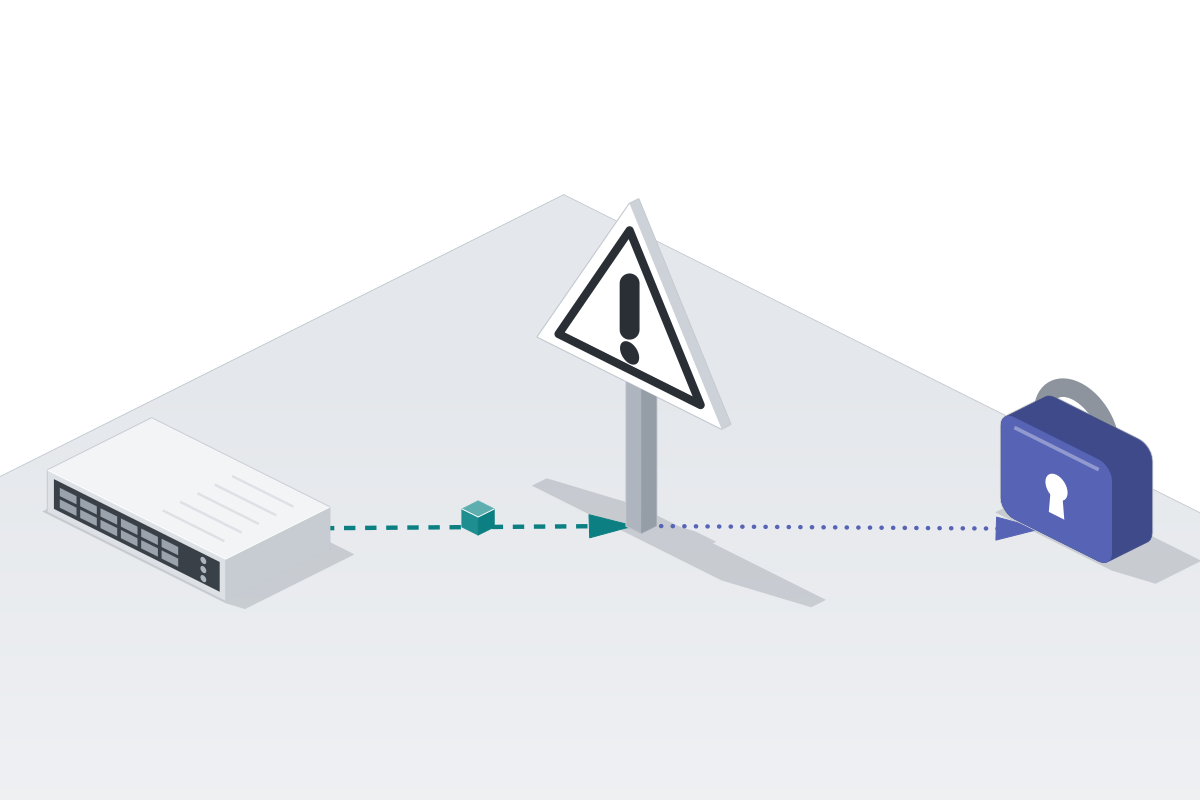
The architecture decomposes an intent into atomic goals, generates a runtime-checkable specification for each and maps those specifications to device capabilities. Its Web of Things (WoT) instantiation uses Linear Temporal Logic (LTL) style specifications, Thing Description (TD) affordances exposed through the Model Context Protocol (MCP), and guardrails backed by satisfiability modulo theories (SMT). These checks address whether proposed actions satisfy the represented constraints; their value still depends on the specifications, device descriptions and runtime state used.[1]
The authors report evaluations on simulated smart-home, greenhouse and industrial-automation tasks against a direct large language model (LLM) to MCP baseline. The abstract claims 100% required-action accuracy on every task and 100% MCP Execution Similarity on all but one task, which scored 92%. It reports baseline similarity falling to 13%. These are author-reported simulation results; the saved abstract does not provide enough experimental detail to independently assess those metrics.[1]
[1]: SafeOrchestrate: Runtime Checked Intent-Driven Orchestration for Cyber-Physical Systems. arXiv, 6 November 2026. https://arxiv.org/abs/2611.09364
Sources
Check or correct this page
Verification record
The digest below shows whether the text you are reading matches the published source. It does not show that the reporting is correct. The build computes it from this page's Markdown source and lists it in the site manifest.
78dfc707f455cc7554a0ca42ba28eea57c5594e94a0332a12fc6871dfeaa7bea