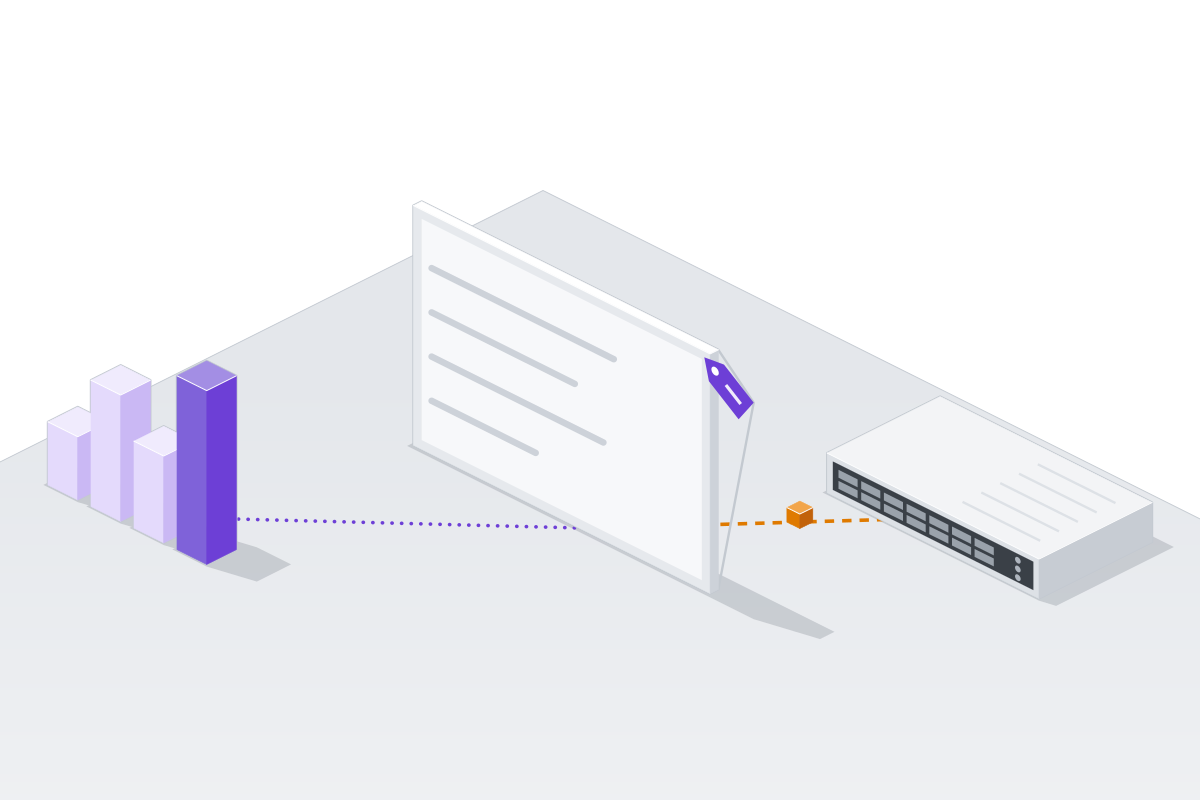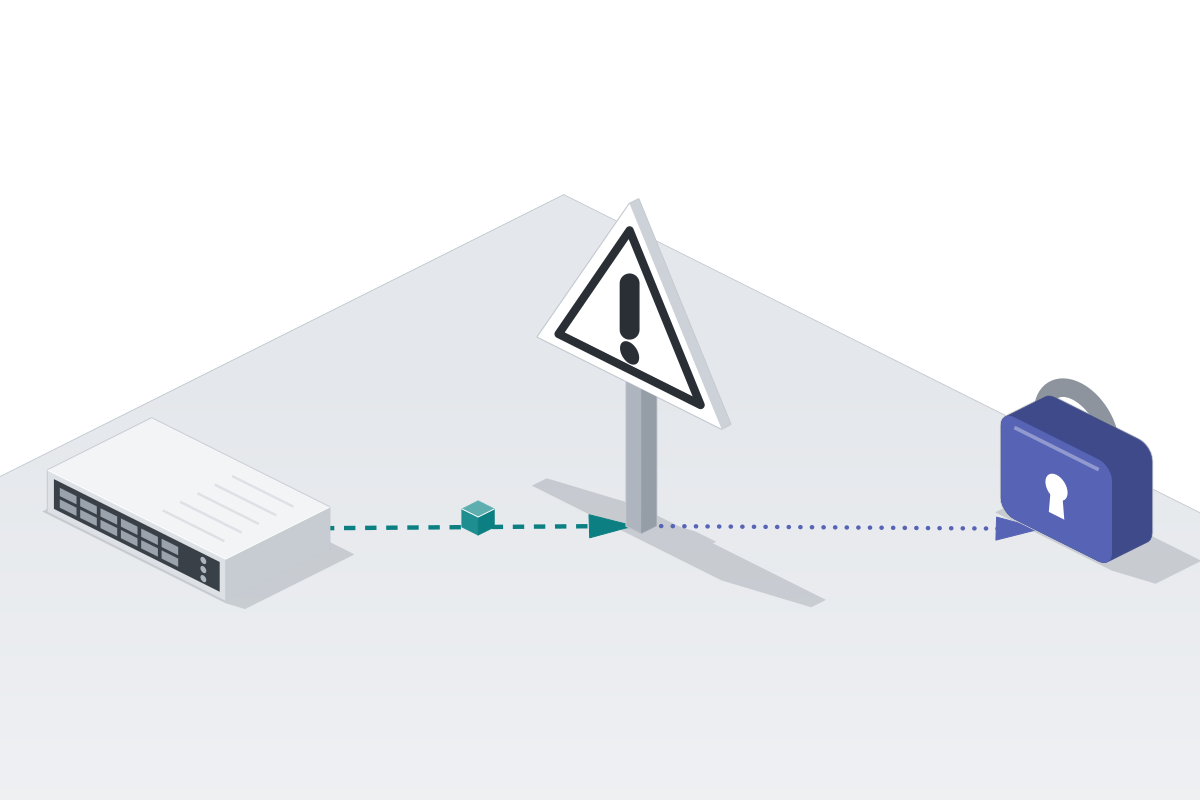
On 17 November 2026, AWS described agent identity for Amazon WorkSpaces for AI agents, a way for an AI agent to act in a managed desktop session on behalf of a signed-in user. AWS says the design associates the agent and user with the session and its audit records.[1]
In the described on-behalf-of flow, the agent authenticates to the organization’s identity provider and exchanges the user’s sign-in for a token naming both identities. AWS Security Token Service validates the token and issues temporary credentials for the agent’s AWS Identity and Access Management (IAM) role. AWS says IAM checks which agents may act for which users and access which environments.[1]
AWS says CloudTrail records both identities when the agent assumes its role; subsequent requests record the user under that role. Recording each agent action requires CloudTrail data events, and AWS recommends a separate IAM role for each agent so actions can be traced to both parties. Identity-provider sign-in logs add a record of which agent the user allowed to act.[1]
The design supports non-domain-joined and domain-joined fleets. For the latter, AWS says the identity provider must supply Active Directory attributes and certificate-based authentication must already work. Disabling an identity stops new sessions; AWS says operators must remove role permissions or revoke active role sessions to stop an agent already working.[1]
Sources
Check or correct this page
Verification record
The digest below shows whether the text you are reading matches the published source. It does not show that the reporting is correct. The build computes it from this page's Markdown source and lists it in the site manifest.
69d07ea1feeda3769e3826b18d4913ea7a6ac262b417be32a3979ea83f862e19