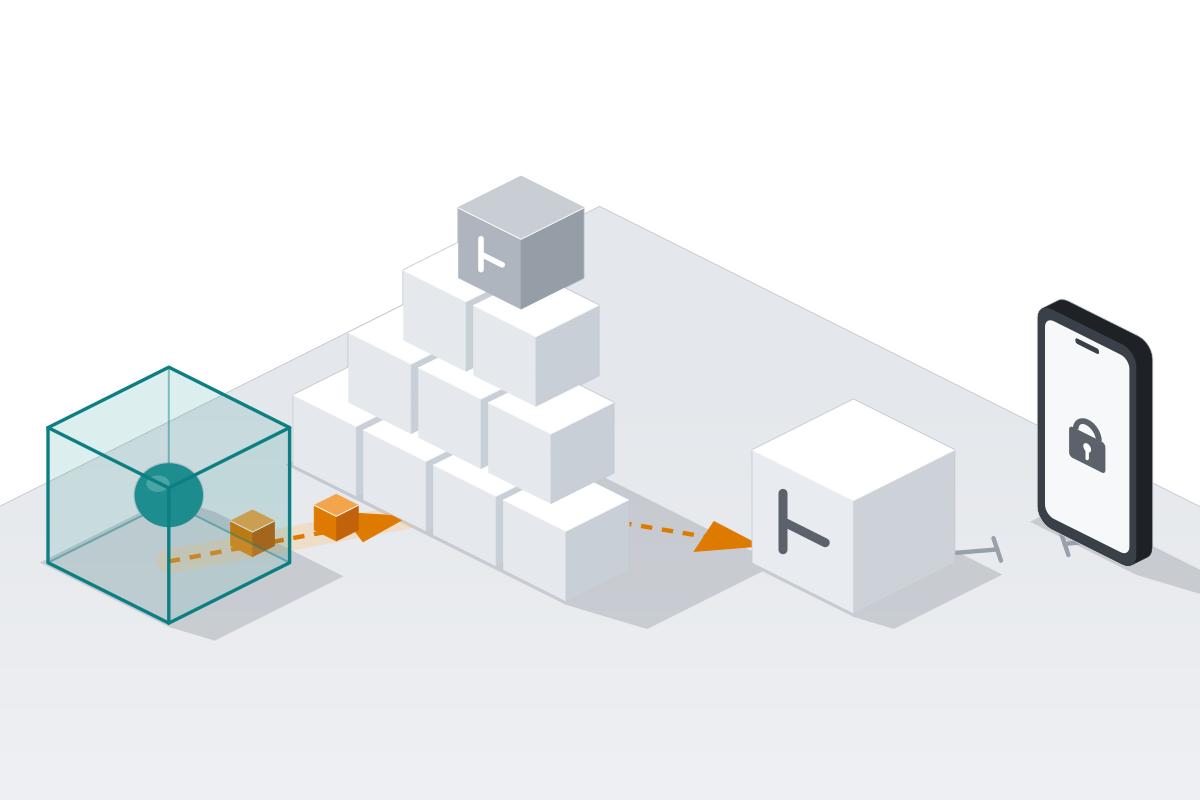
Google DeepMind announced AlphaProof Code on 10 November 2026, saying its researchers used the multi-model agent framework to formally verify key security properties of Signal’s core cryptographic implementation. The company describes proofs reaching compiled code, including protections for messages before and after a device is temporarily compromised. These are claims in its announcement, rather than results we independently reproduced.[1]
Human experts worked with models to translate security goals into mathematical specifications and reviewed every specification, according to DeepMind. Agents powered by Gemini Carbon then generated more than six million lines of Lean. The announcement says Lean checked the proofs, while agents flagged one percent of the codebase for further human review. DeepMind reports that the verification took four weeks.[1]
The company also says it reintroduced two previously fixed bugs into an isolated version of Signal’s code. In both cases, it reports machine-checked proofs that the modified version was insecure. It says it is open-sourcing verification artifacts; the saved announcement does not supply an exact verified release identifier, deployment configuration or recommended fixed version.[1]
[1]: Google DeepMind, “Introducing AlphaProof Code: a breakthrough in verifying complex software at depth,” 10 November 2026. https://deepmind.google/blog/introducing-alphaproof-code/
Sources
Check or correct this page
Verification record
The digest below shows whether the text you are reading matches the published source. It does not show that the reporting is correct. The build computes it from this page's Markdown source and lists it in the site manifest.
9a66000d923e15b79bda90c98187dc8e700435d51c6e6ba3be3f2d60ac026870