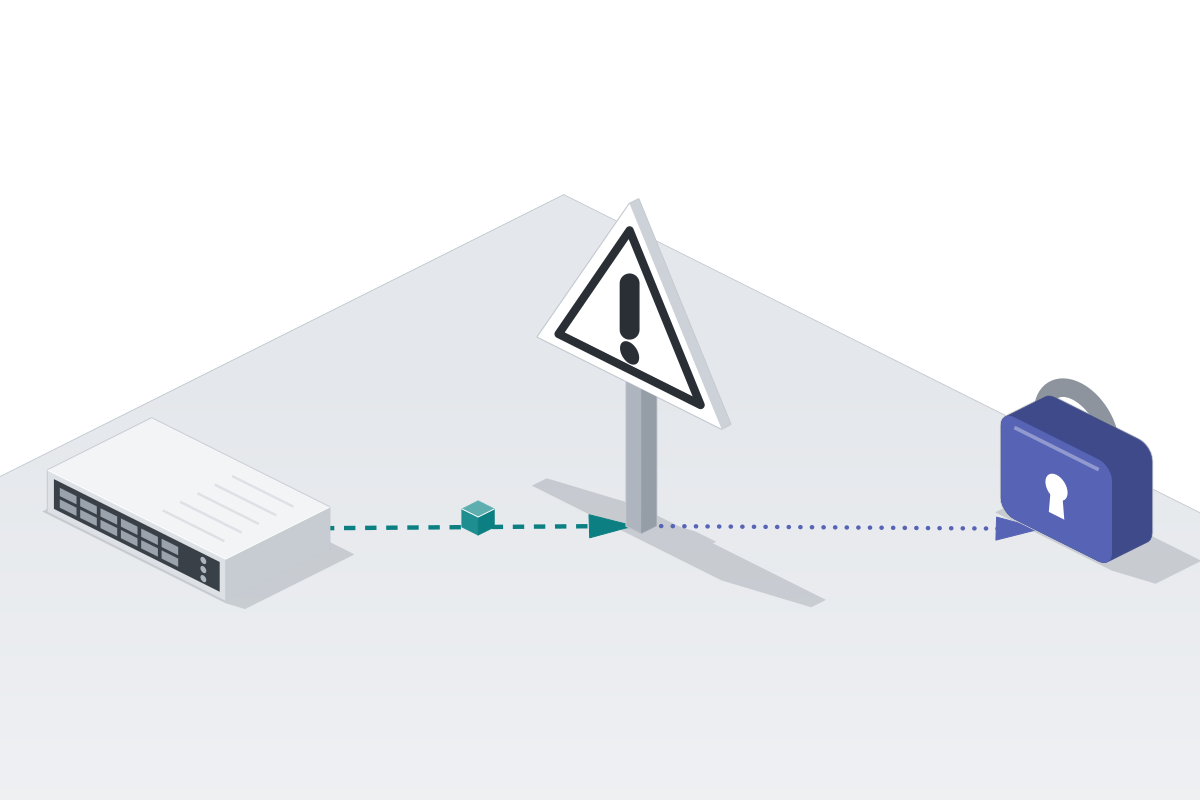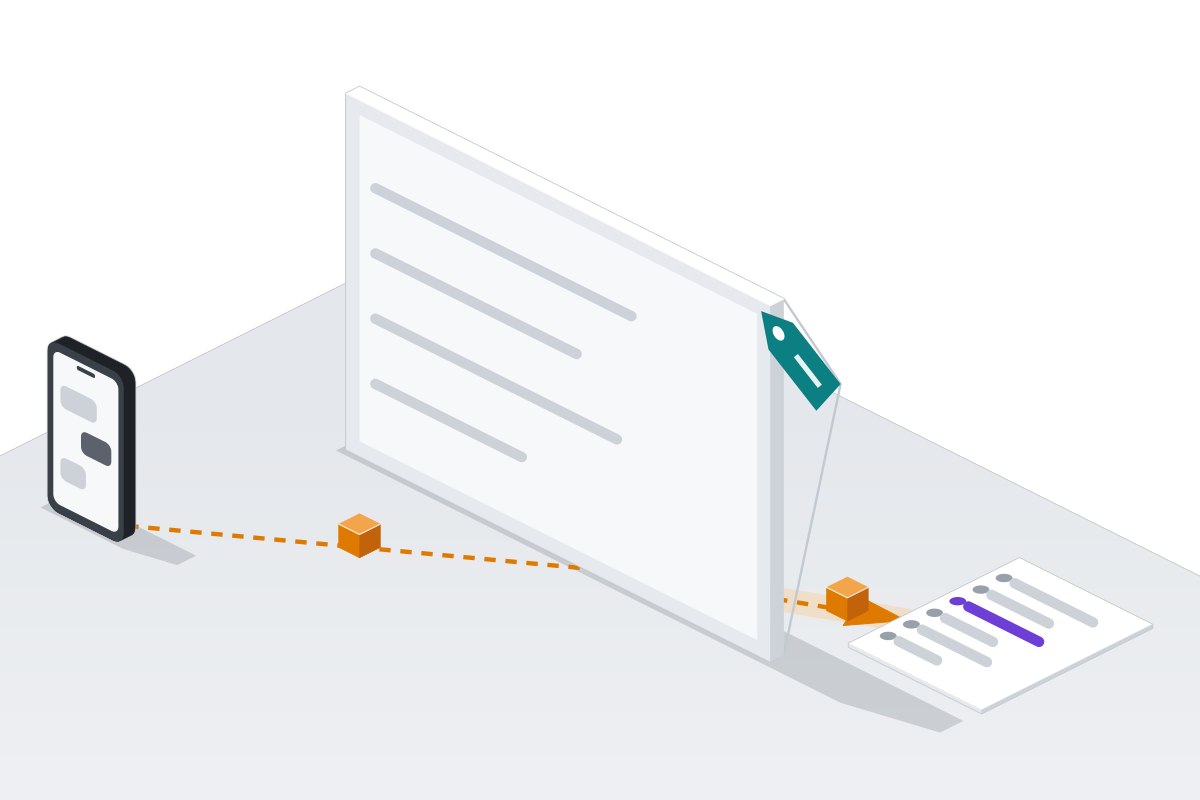
Donghang Duan and five co-authors submitted a paper on 30 October 2026 reporting that tool-call traces can reveal user attributes without access to conversations. The study examines agents using the Model Context Protocol (MCP), which supports interactions with external tools. Its reported risk arises from protocol-valid interactions, rather than requiring malformed tool calls.[1]
The authors introduce PrivacyTrace, a benchmark comprising 1,000 synthetic user profiles and 4,000 agent trajectories across four domains, generated using real MCP tools from 25 servers. The abstract reports a 26.25% profile-inference attack success rate with four mainstream large language model attackers, compared with 17.97% for prior-based guessing. These are the authors’ experimental results; the saved page does not provide enough methodological detail to independently assess the comparison.[1]
According to the abstract, tool arguments and returned results supply the main evidence grounded in traces, while linking traces across sessions increases profiling risk. The authors say code and data are available and call for privacy-aware mechanisms for agent-tool interactions. The saved abstract identifies no fixed software version or validated mitigation.[1]
[1]: https://arxiv.org/abs/2610.41885
Lead photo: Donghang Duan, Qingyu Liu, Yifei Liu, Na Zou, Xia Hu, Dongrui Liu · CC BY 4.0.
Sources
Check or correct this page
Verification record
The digest below shows whether the text you are reading matches the published source. It does not show that the reporting is correct. The build computes it from this page's Markdown source and lists it in the site manifest.
5e4f23c5066396324ccaaec8683abc00a87be25fbddb67eb39a95feda032cf25