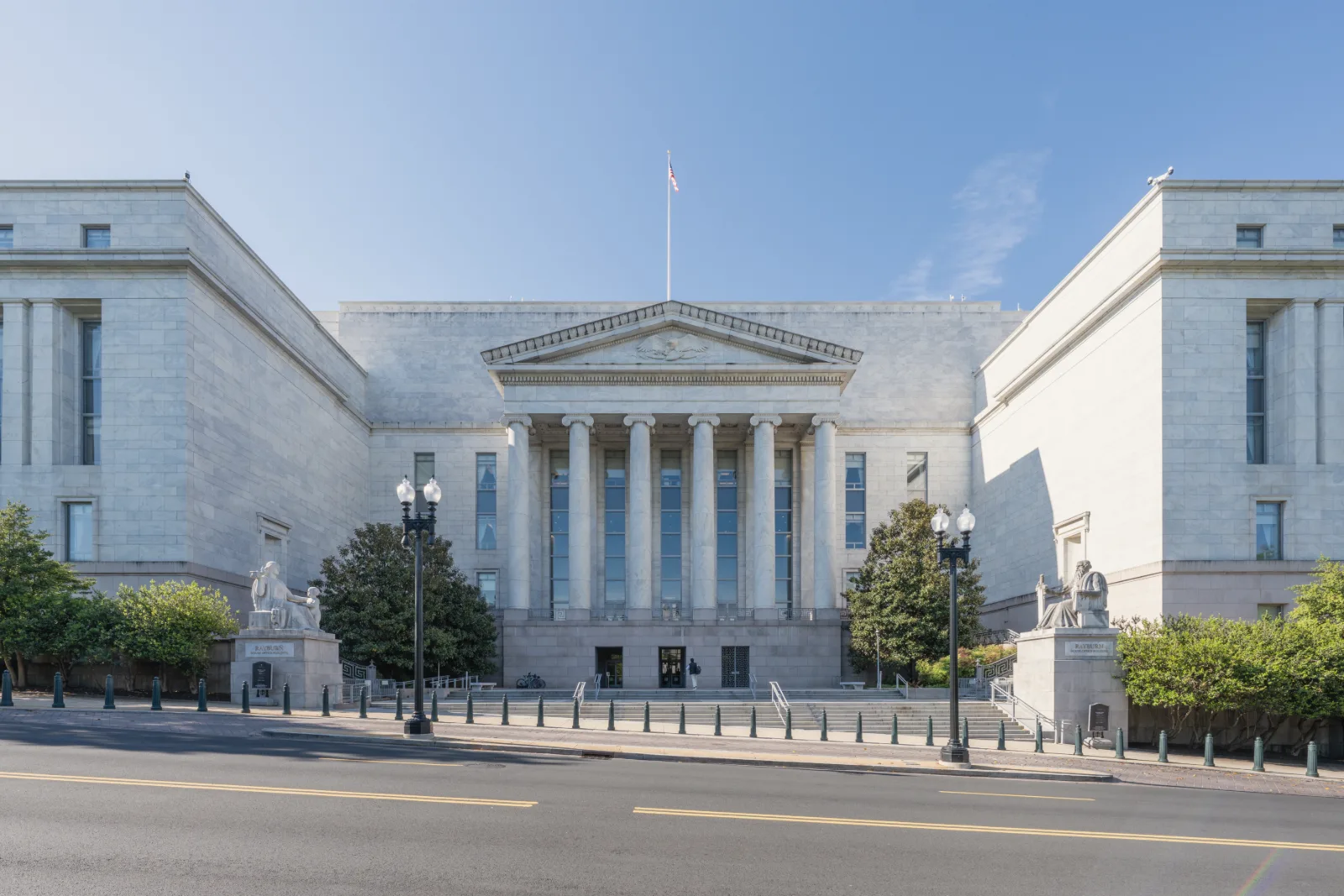
The House Foreign Affairs Committee voted 42-0 on 26 March 2026 to report the Chip Security Act, H.R. 3447, to the House as amended.[1] The committee worked from a substitute, a replacement text for the whole bill, offered by Representative Bill Huizenga of Michigan. Huizenga had introduced the bill on 15 May 2025.[1, 4]
As introduced, the bill would have given the Commerce Department 180 days from enactment to mandate location verification mechanisms on covered AI chips and computers before export.[3] Under the committee's text, Commerce would instead have one year to require that covered products sent abroad be secured by a chip security mechanism. The mechanism would have to enable reliable verification of whether a product was illegally diverted to destinations of concern, to the maximum extent practicable.[2] The text names three examples:
- periodic on-site audits at the approved destination
- attestations by a US-headquartered company that keeps secure control of the chips
- ping-based location verification through a trusted landmark server using secure software or firmware, a method that estimates where a chip is from how quickly it answers the server
Commerce could also accept other mechanisms if it determines that they show with significant confidence that a product was not diverted.[2]
The text states that nothing in it directs Commerce to require mechanisms that could hinder a chip's functionality, such as a kill switch or geofencing. It also states that nothing in it directs Commerce to mandate location verification that requires hardware changes. It covers only items designed or marketed for data centers and does not apply to products in the United States. A final rule would require reports to Commerce's Bureau of Industry and Security whenever the mechanisms fail to confirm that a product has not been diverted. The reporting requirement includes cases with evidence of spoofing or other tampering. Commerce could waive the requirements on competitiveness and national security grounds after giving Congress 30 days' notice.[2]
GovInfo's bill status record lists the committee vote as the latest action. A Senate bill of the same name, S. 1705, has remained with the Senate Banking Committee since 8 May 2025.[4]
Sources
Check or correct this page
Verification record
The digest below shows whether the text you are reading matches the published source. It does not show that the reporting is correct. The build computes it from this page's Markdown source and lists it in the site manifest.
4d5aac2e8a50f8e312ecdf42cf7a14398e3dd26a634aa63c8a2888130e17bc4b