A paper submitted to arXiv on 31 October 2026 reports a methodology for finding and triaging correctness defects in Google's XLA:TPU compiler. Ignacio Cano and co-authors say their framework, deployed in production, has driven the resolution of more than 142 compiler bugs, with 103 additional findings under review. These are author-reported results in the saved abstract, rather than independently reproduced findings.[1]
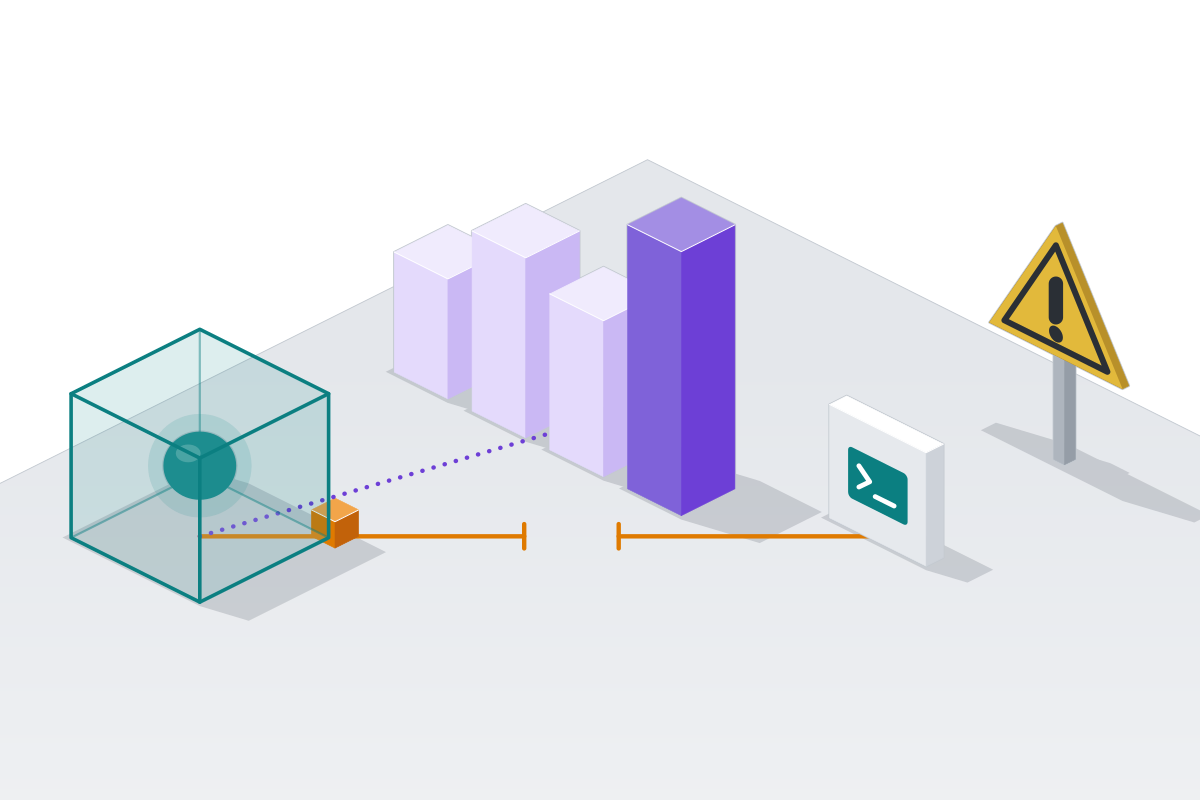
The authors describe a risk arising from complex optimization pipelines: subtle code-generation defects can cause numerical degradation and memory or buffer corruption without obvious compiler errors. They say those failures can invalidate expensive training runs and degrade live serving quality.[1]
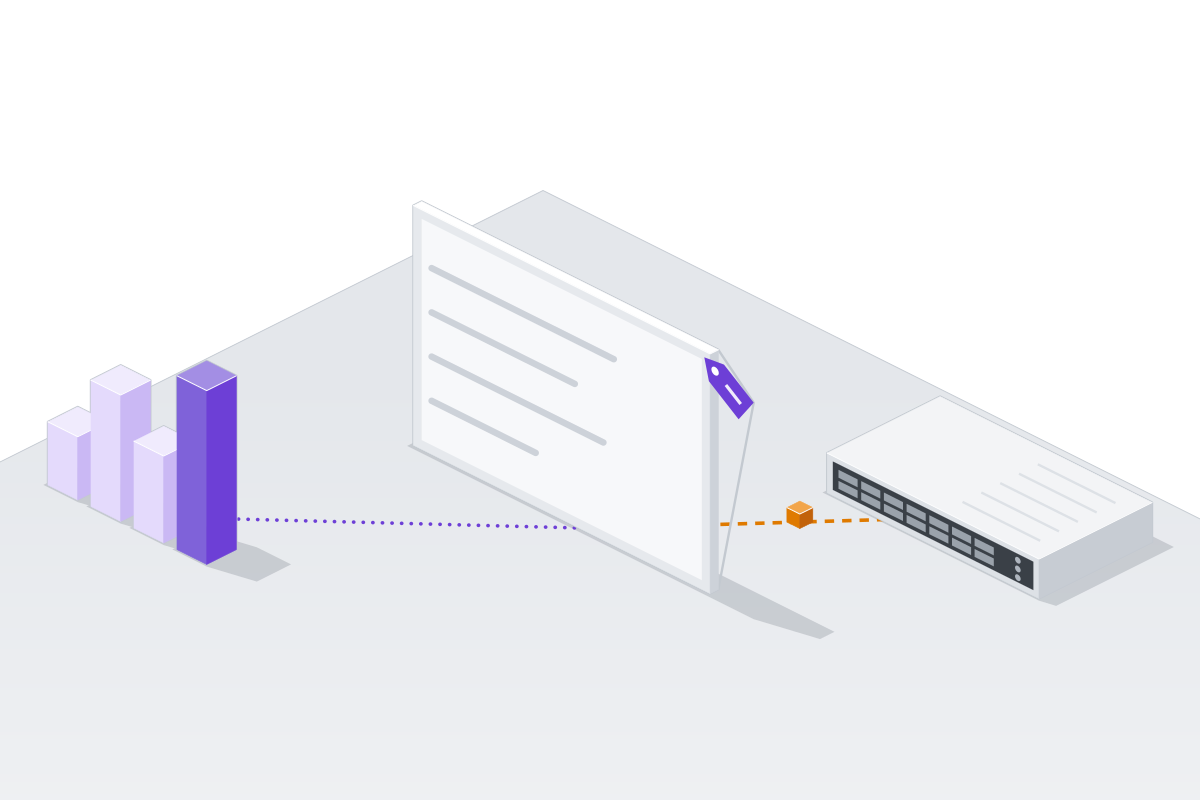
Their approach combines fuzzing, meaning automatically generated test programs, with real production traces. AI agent swarms generate stress tests, reproduce failures and draft fixes. A hierarchical differential pipeline then narrows failures in large workload graphs to individual operations inside fused kernels. The saved abstract describes these mechanisms but gives no detailed comparison procedure or per-bug evidence.[1]
[1]: arXiv, “XLA from the Trenches: Correctness on TPU Workloads at Scale,” 31 October 2026. https://arxiv.org/abs/2611.00624
Sources
Check or correct this page
Verification record
The digest below shows whether the text you are reading matches the published source. It does not show that the reporting is correct. The build computes it from this page's Markdown source and lists it in the site manifest.
8c8db143cc18fecc42c8d22232c9b80870ba280864f50de32d8df39ef9c5bf6d