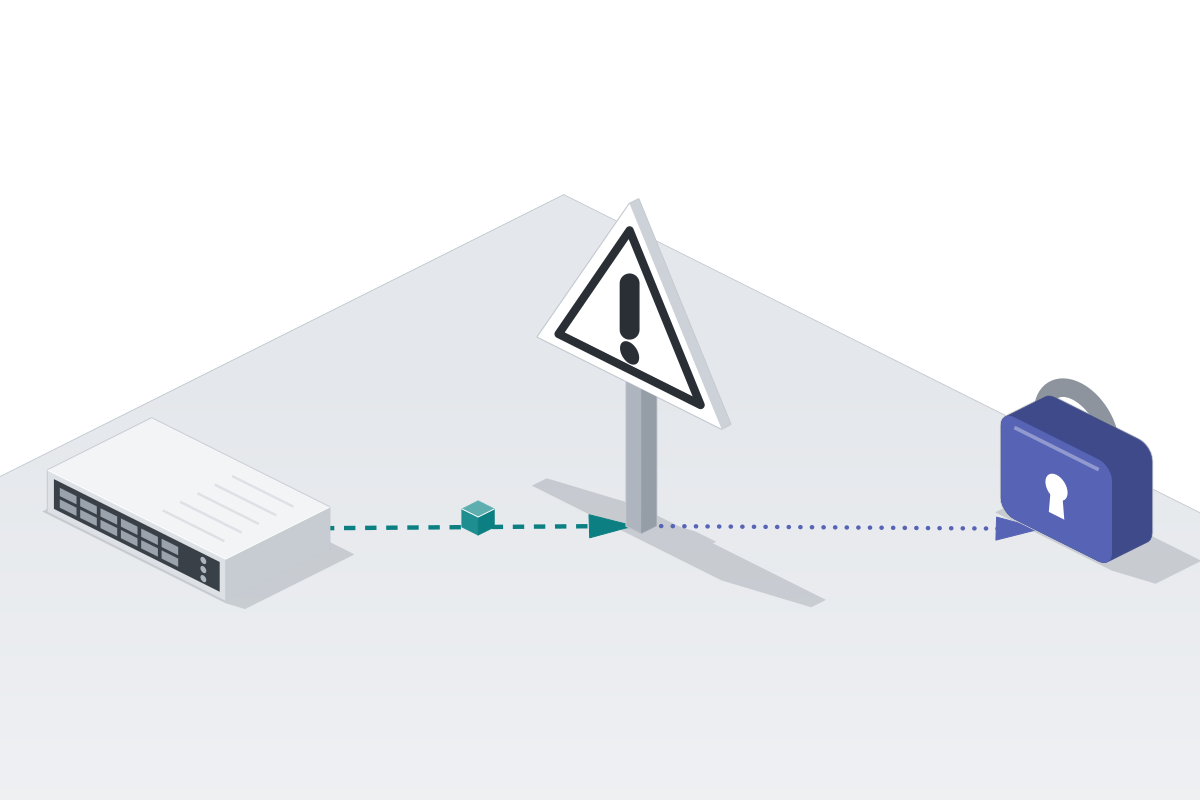
Christopher Krakauer and Andreas Schaad submitted an arXiv preprint on 2 November 2026 proposing a framework for identifying where Model Context Protocol (MCP) security mitigations belong. The protocol connects large language models to external tools, software and data sources. The authors argue that server development can reduce the attack surface while leaving architectural vulnerabilities unresolved.[1]
The framework maps the OWASP MCP Top 10 to three architectural tiers: server-primary, gateway-primary and protocol-primary. According to the abstract, a cascading decision tree asks four questions to assign vulnerabilities to tiers and attach confidence levels. The authors claim these assignments are reproducible regardless of who applies the framework; the saved abstract does not provide the questions or enough procedural detail to assess that claim independently.[1]
The authors report validating the framework against an enterprise-grade Managed File Transfer (MFT) MCP server written in Go. They say high-confidence server-tier controls worked as predicted, while low-confidence protocol-tier controls failed for architectural reasons beyond server implementation. Their explanation centers on data and control sharing a natural-language channel, creating confused-deputy and prompt-injection vulnerabilities that server development cannot completely mitigate. These are reported findings, not results we reproduced.[1]
[1]: Where Does MCP Security End? A Three-Tier Mitigation Mapping Framework for the OWASP MCP Top 10, Christopher Krakauer and Andreas Schaad, arXiv, 2 November 2026.
Sources
Check or correct this page
Verification record
The digest below shows whether the text you are reading matches the published source. It does not show that the reporting is correct. The build computes it from this page's Markdown source and lists it in the site manifest.
cb85460155dcf01309322f88a458373ca2606c0b1ef385a0aecb9779507565eb