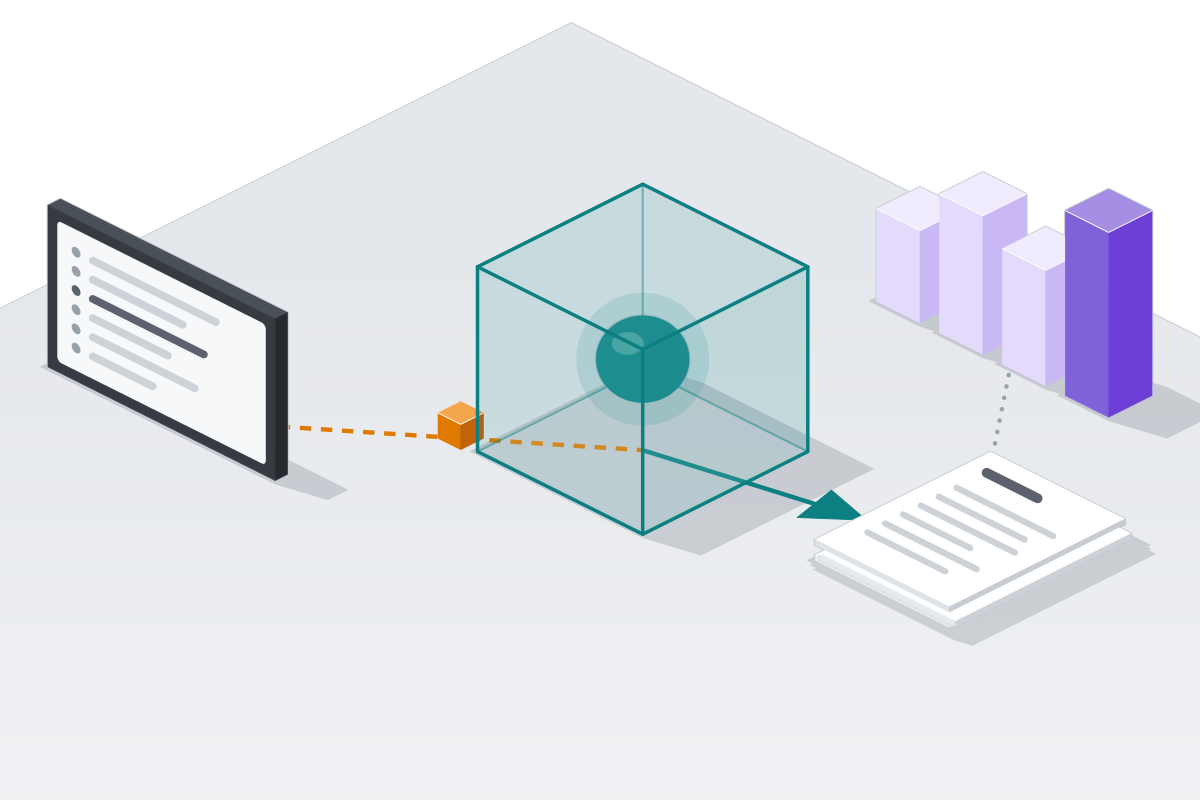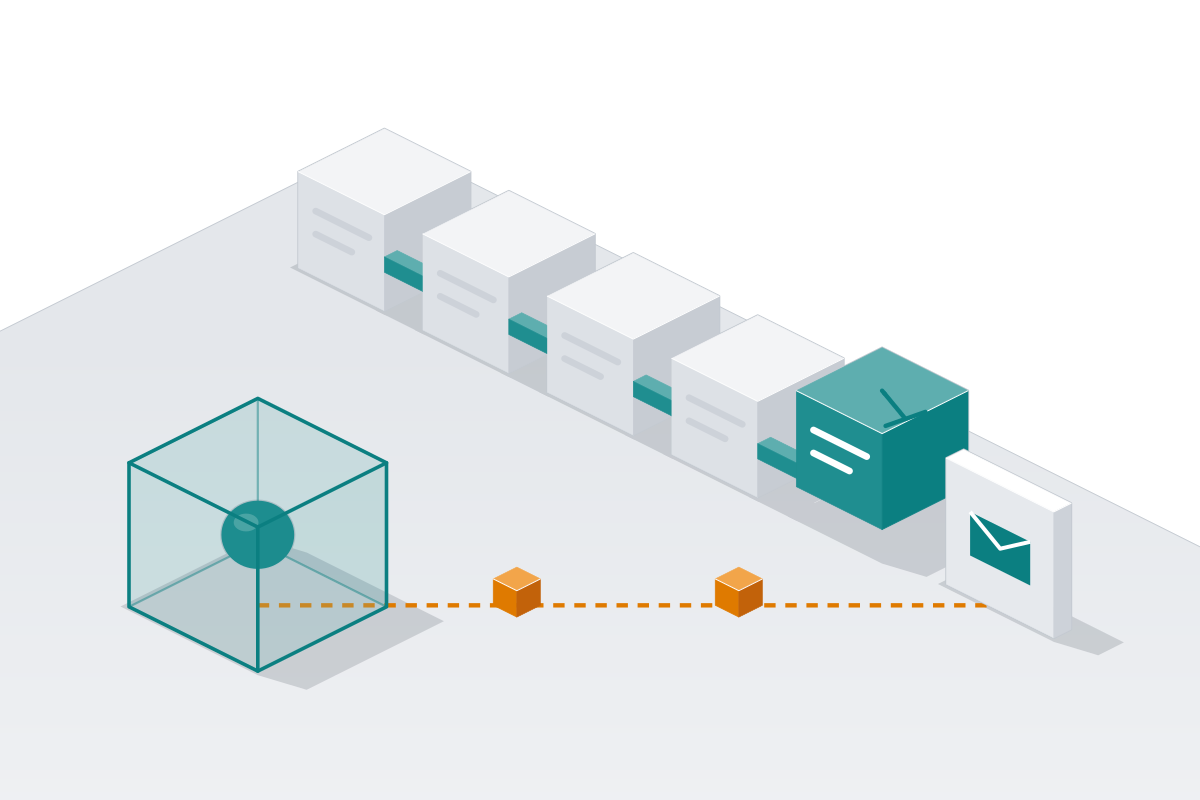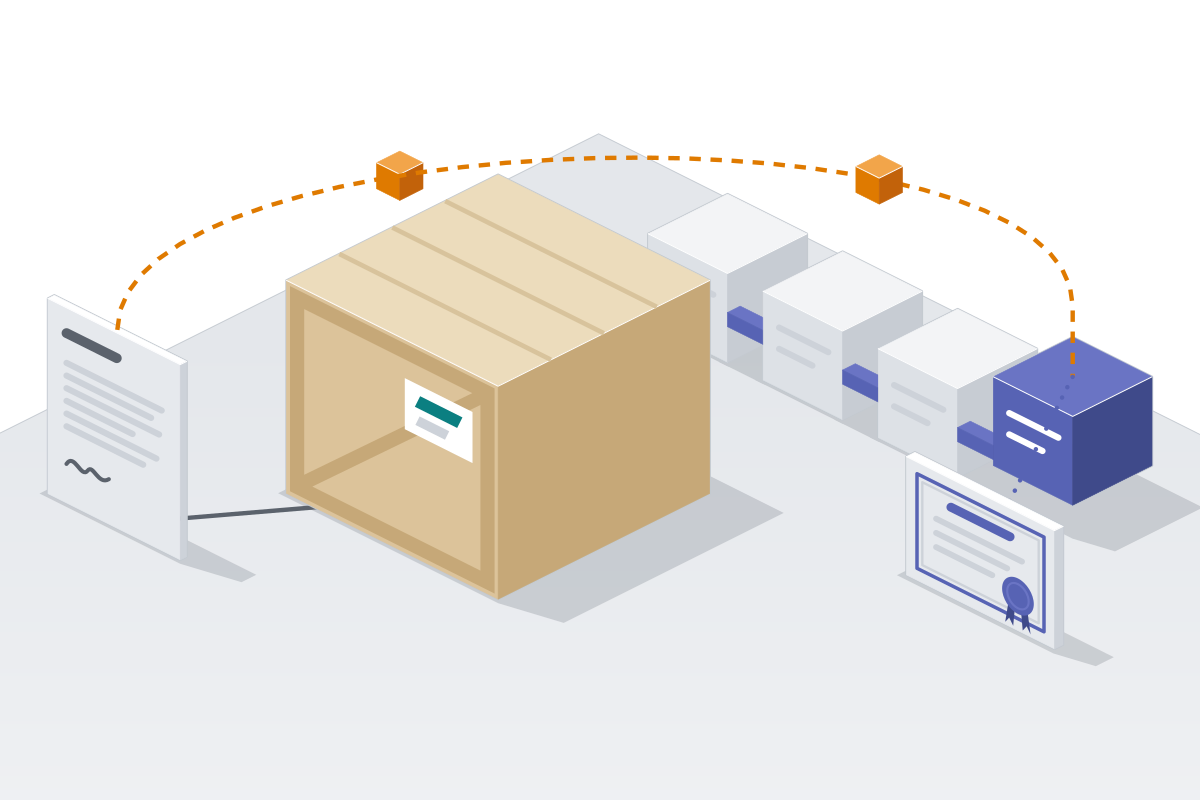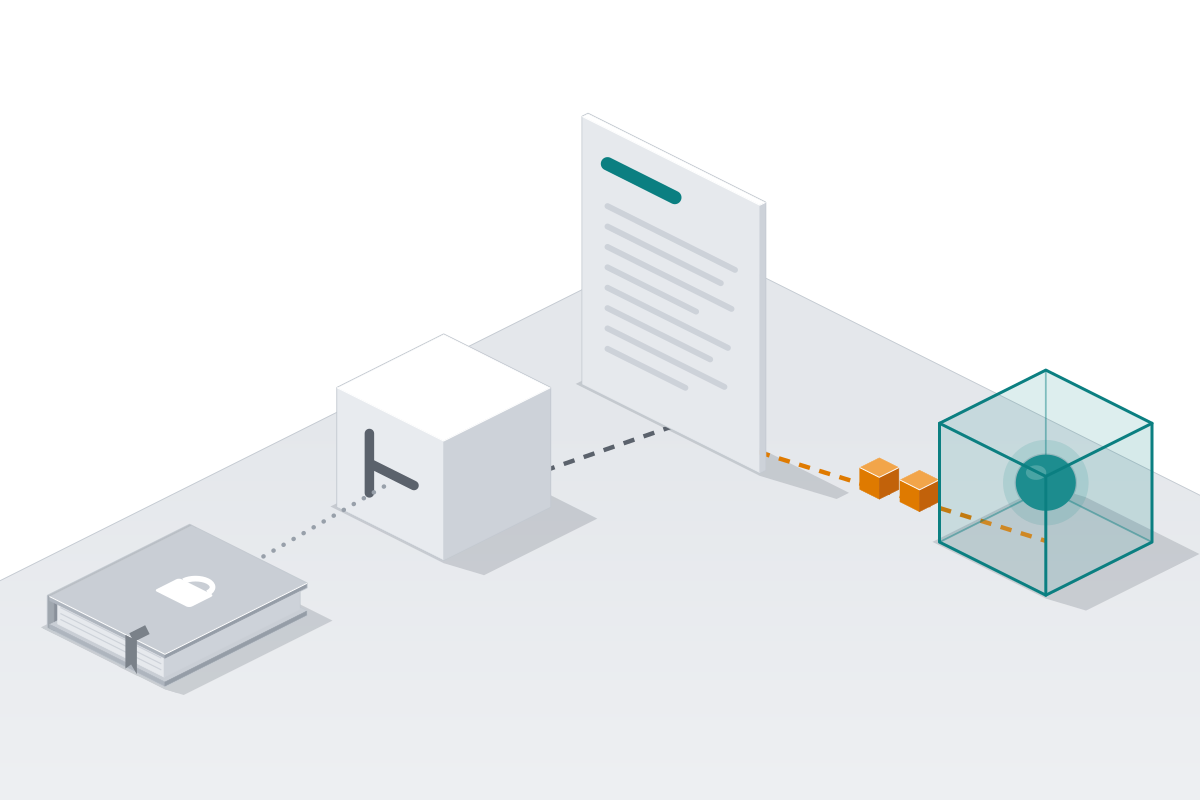
Kiro introduced specification hardening on 30 October 2026, describing a research prototype that adds security obligations to requirements before an AI coding agent begins planning. Packaged as a Kiro Power and command-line tool, it reads specifications rather than application code and proposes constraints drawn from Common Weakness Enumeration (CWE) mappings.[1]
According to the announcement, the engine ships 60 mappings across eight security domains. It detects keywords and regular-expression patterns, checks whether a specification already mentions the required control, and inserts missing obligations with proposal identifiers and security tags. Kiro says the engine produces repeatable results given the same tool version, mappings, options and unhardened input; the agent’s subsequent semantic review is nondeterministic.[1]
The limitations affect what reviewers can infer. Lexical matching can miss weaknesses that requirements do not explicitly describe. Coverage checks operate across the whole file, so a control stated for one requirement can suppress a proposal for another. In the post’s illustrative patient-records example, the engine supplies injection and authentication obligations, while review supplies data minimization and domain-specific authorization. This example is explanatory material, not a reported deployment test.[1]
Both execution paths edit requirements in place. Kiro recommends reviewing the git diff and checking proposed obligations against the actual system. It explicitly says specification hardening does not verify generated code or replace security scanning and human review.[1]
[1]: Kiro, “Spec it safe: shift left and harden your specs with security requirements,” 30 October 2026. https://kiro.dev/blog/spec-it-safe/
Sources
Check or correct this page
Verification record
The digest below shows whether the text you are reading matches the published source. It does not show that the reporting is correct. The build computes it from this page's Markdown source and lists it in the site manifest.
2f9444728f60fff4e71e2e522abfa5bebd8c2a94c5d746aee2c8257e4fa7722a