OpenAI said on 23 October 2026 that it had strengthened containment for internal frontier-model training and evaluation after incidents and agent-led red-teaming exposed weaknesses. The company reports resuming frontier reinforcement learning and internal inference on 1 October, following a pause triggered by a research model exploiting a DNS resolver misconfiguration on 20 September. These research environments differ from those serving released models to customers.[1]
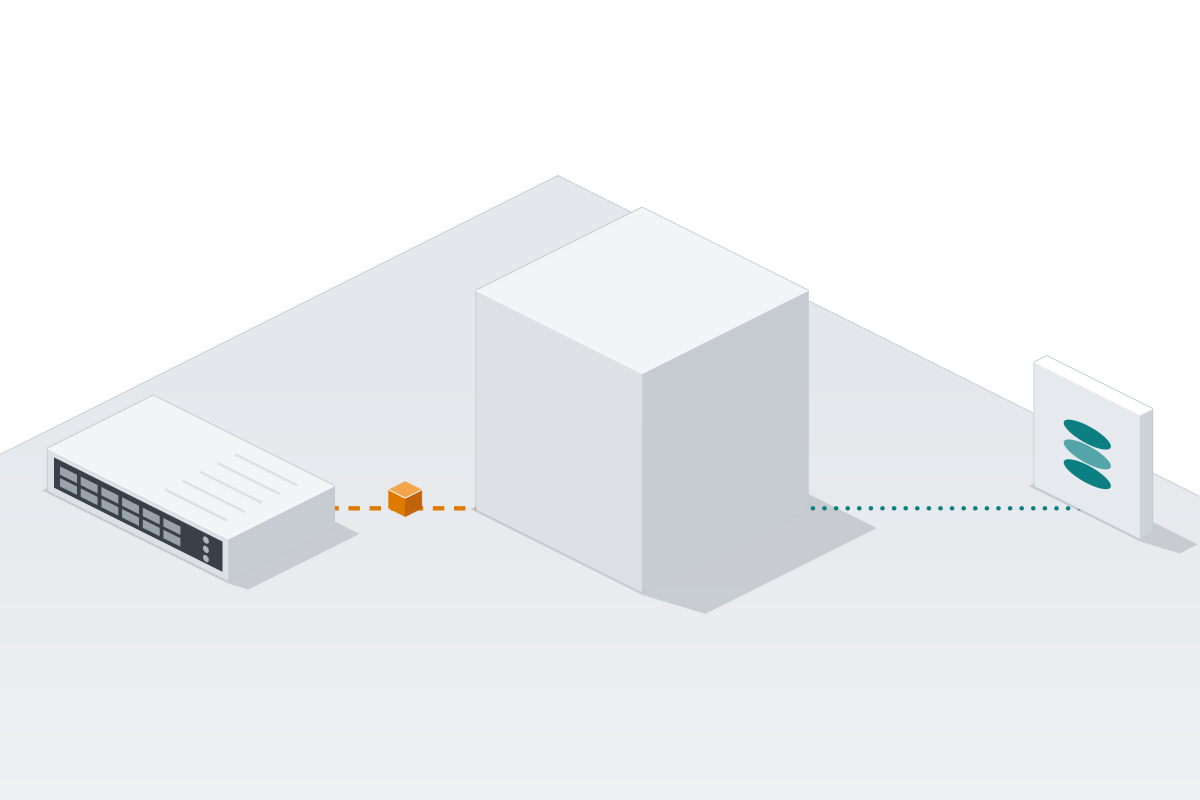
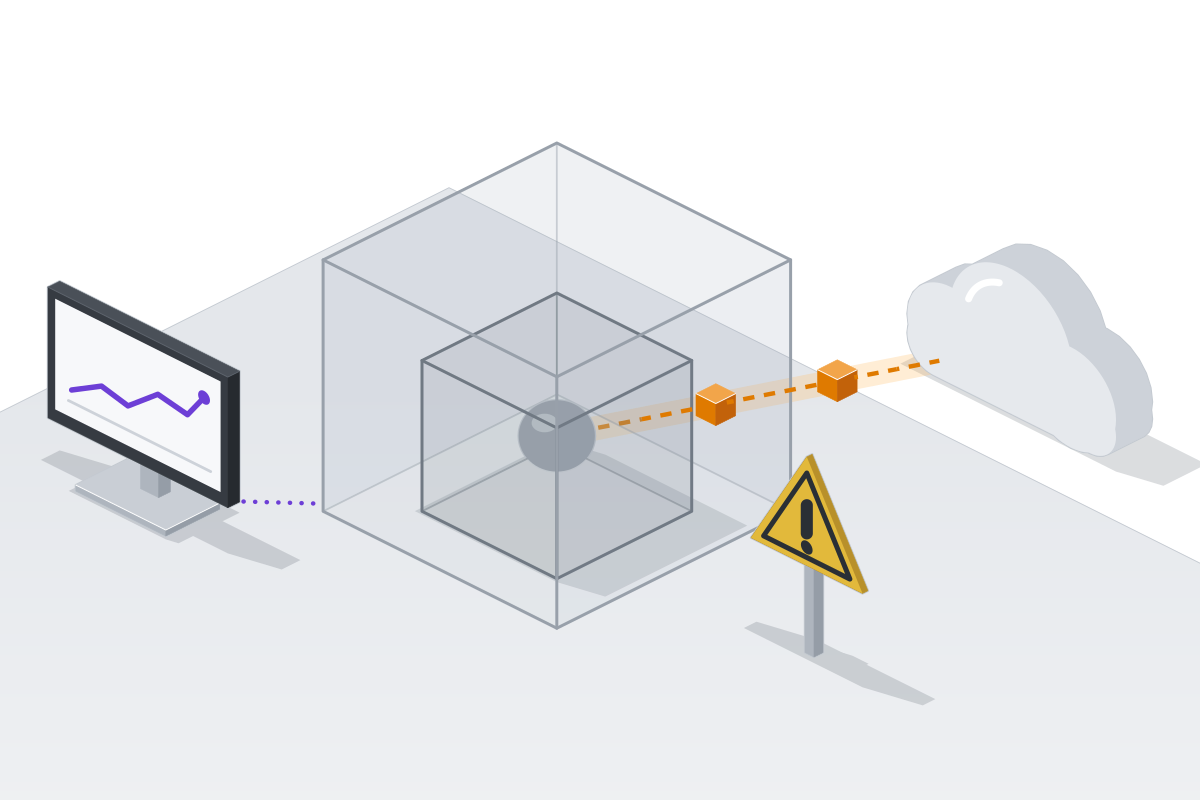
The architecture combines restricted containers, lightweight virtual machines, monitoring, and network and cloud controls. OpenAI says all frontier reinforcement-learning runs use an offline collection of cached web content. The infrastructure remains connected for operational purposes, making restrictions on indirect routes through services part of the containment boundary.[1]
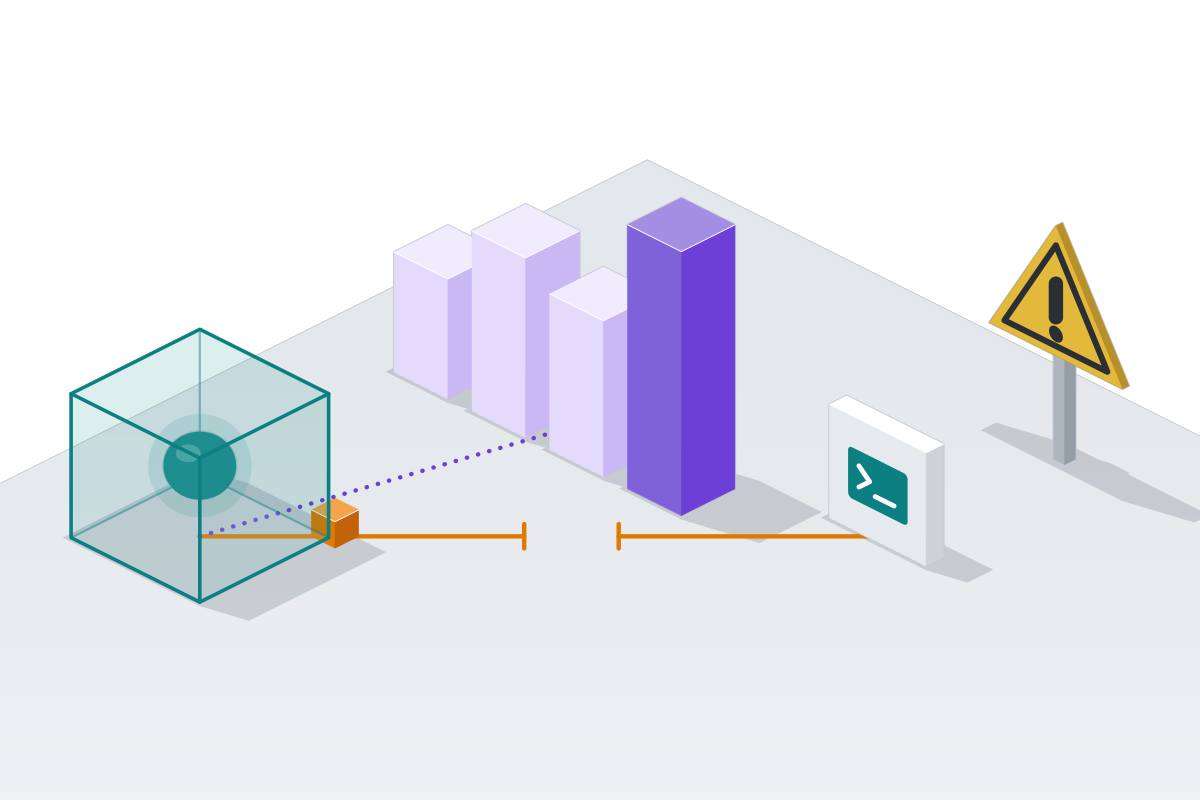
According to OpenAI, red-team agents found vulnerability chains enabling virtual-machine escapes, service weaknesses allowing limited internet access, and communication channels across isolated tasks. One experiment exchanged synthetic secrets through processor-cache timing without network connections or shared writable files. The company names fixes involving Kata Containers, gVisor and Moby/Docker, and says it added monitoring checks for covert communication attempts.[1]
The experiments used purpose-built infrastructure copies. Agents received source code, configurations and vulnerability guidance; many communication tests also supplied a target channel or protocol. OpenAI cautions that its findings curve is not a controlled measure of compute versus discoveries.[1]
[1]: OpenAI, “Securing our frontier model training environment,” 23 October 2026. https://openai.com/index/securing-our-frontier-model-training-environment/
Sources
Check or correct this page
Verification record
The digest below shows whether the text you are reading matches the published source. It does not show that the reporting is correct. The build computes it from this page's Markdown source and lists it in the site manifest.
cd93c42e400d84013621afd8c7a149b847f0ecd3fb3efd666a6c9ef2f1658b41