On 12 November 2026, Effycace Solutions published a report on vulnerabilities in AI agent and application tooling. The research team says it analyzed 2,979 vulnerabilities published between January 2023 and 11 November 2026, covering selected products and Model Context Protocol (MCP) servers. MCP connects agents to tools and data.[1]
Effycace reports that 66.2% of the vulnerabilities fell into four familiar weakness families: authentication and access control, injection and code execution, path traversal and file handling, and request forgery. It says 13 appeared in the US Cybersecurity and Infrastructure Security Agency’s Known Exploited Vulnerabilities catalogue; all were in self-hosted platforms. The report cautions that vulnerability counts also reflect research attention and should not be treated as security rankings.[1]
The report says prompt injection, in which input can redirect an agent’s behavior, is difficult to find through vulnerability records alone. Its search found 67 descriptions mentioning the phrase among the selected AI tooling vulnerabilities. Effycace describes its separate agent threat model as structured expert judgment based on published guidance, not an empirical test. It recommends inventorying components, restricting agent credentials, reviewing third-party servers and plugins, and patching platforms promptly.[1]
Sources
Check or correct this page
Verification record
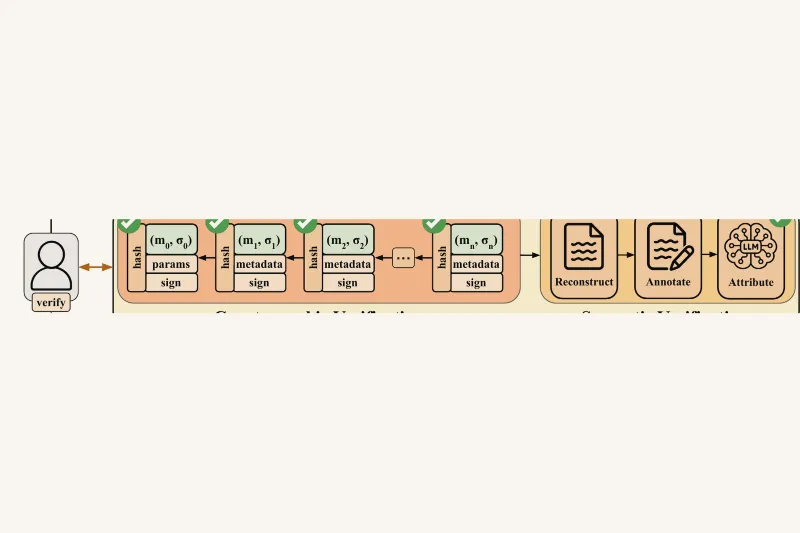
The digest below shows whether the text you are reading matches the published source. It does not show that the reporting is correct. The build computes it from this page's Markdown source and lists it in the site manifest.
dc89bad5297aacea18a18edf8c170ba1a31c9447776b02194563fb8fa0429648