On 17 November 2026, AWS published guidance on exposing Amazon Bedrock AgentCore Runtime to users through web or mobile applications. It describes two architectures for authenticating requests and carrying user identity to an agent, while treating the access layer as a responsibility of the application operator.[1]
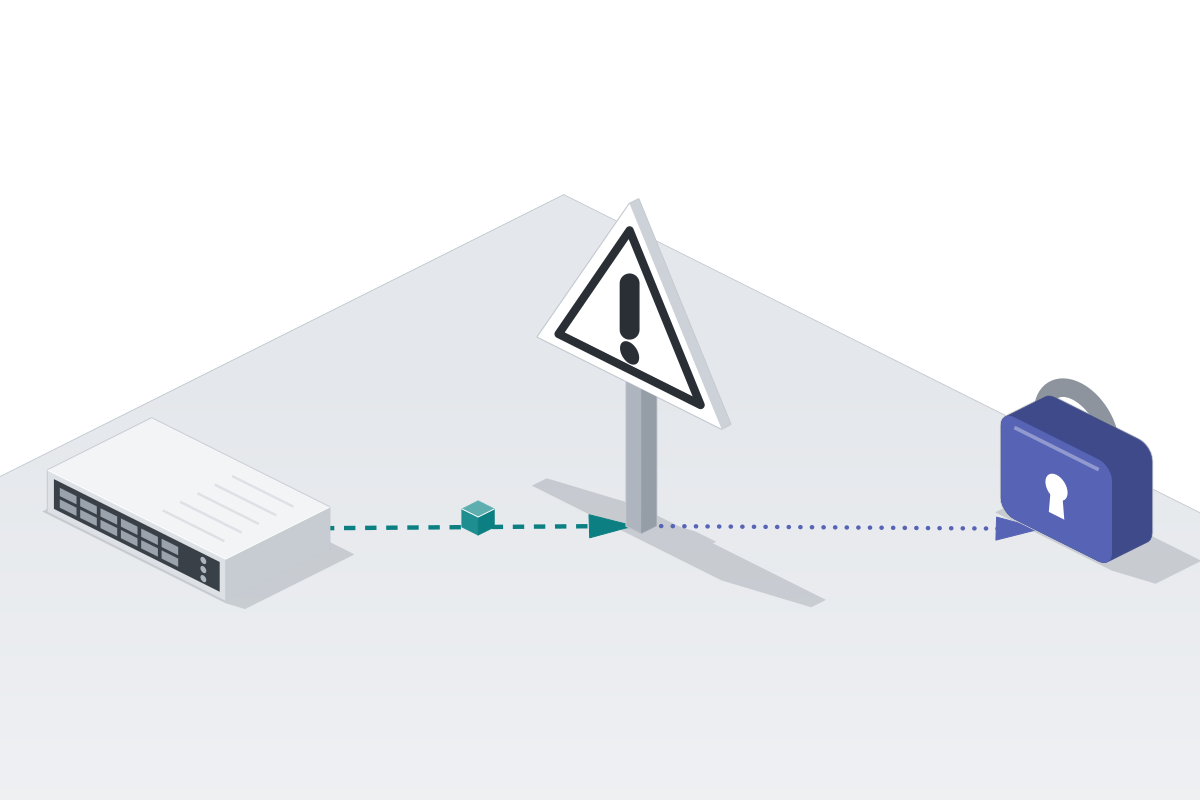
AWS says AgentCore Runtime launches a dedicated microVM for each session. Its post distinguishes that execution environment from the ingress path: operators must decide who can reach the runtime, authenticate requests and preserve identity through the chain. The guidance also calls for authorization, least privilege at each hop, network controls, content screening, and logging of authentication and tool-authorization decisions.[1]
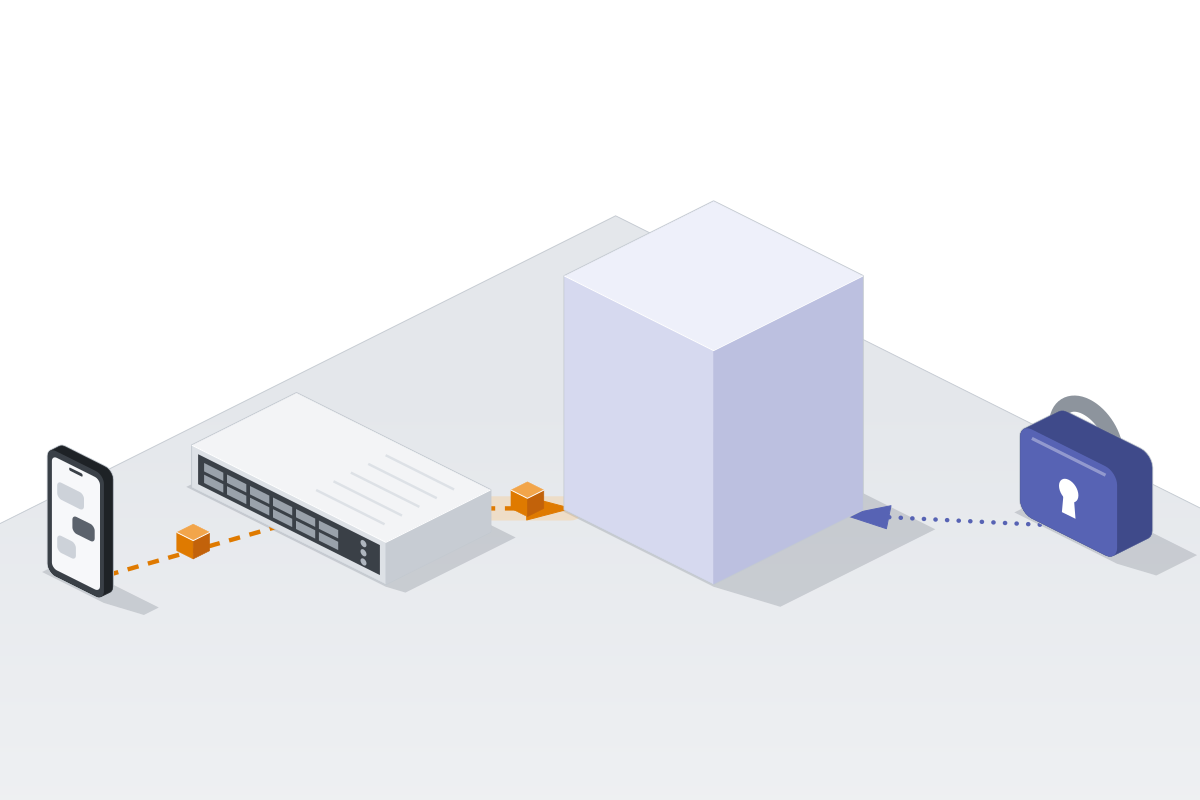
In the first pattern, Amazon API Gateway receives requests. A Lambda authorizer checks a Cognito-issued token, while a Lambda proxy forwards the token to the runtime through a virtual private cloud endpoint. AWS describes a session identifier combining the user identifier with the client-supplied session ID, and recommends AWS WAF rules before production.[1]
In the second pattern, AgentCore Gateway authenticates the incoming token. A Lambda interceptor extracts user identity claims, while the gateway obtains a machine-to-machine token for the runtime call. AWS says the runtime checks the workload token and that a session context key can carry a restricted identity snapshot for unattended workloads. These are architecture and security claims in AWS's guidance; the saved post does not establish how a particular deployment is configured.[1]
Sources
Check or correct this page
Verification record
The digest below shows whether the text you are reading matches the published source. It does not show that the reporting is correct. The build computes it from this page's Markdown source and lists it in the site manifest.
96ad7875a1d5b469b0316a8726d24c54535f1abd8301e9390459fc21e77c30d6