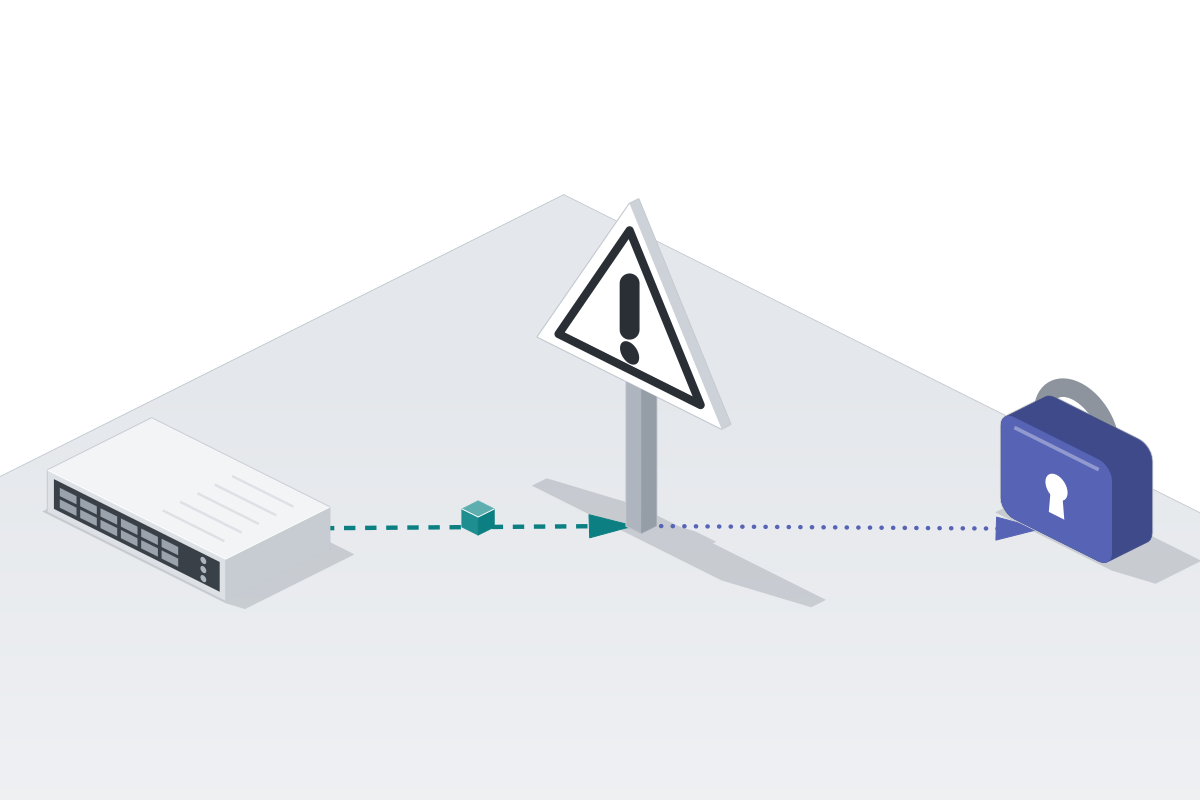
Doohyun Kim, Donghwa Kang, Mingyu Jun and Brent ByungHoon Kang submitted SEAL to arXiv on 29 October 2026, describing a defense against indirect prompt injection in local large language model (LLM) agents. The abstract targets attacks entering through untrusted tool outputs, while seeking to preserve evidence needed for the user's task under limited inference budgets.[1]
According to the authors, SEAL learns a soft prompt and scoring readout offline, then sanitizes tool outputs using a frozen task model. It constructs scoring queries from trusted initial context and the learned prompt, keeping that reference independent of the tool text being inspected. Token scores avoid normalization across context tokens; preservation regularization encourages retention of useful evidence during localized deletion. The authors say the design needs neither defense-generated tokens nor a separate verifier model.[1]
The abstract reports evaluations on AgentDojo and AgentDyn. On AgentDojo, the authors report attack success falling from 34.6% to 0.1%, and Joint, defined as task completion without attack success, rising from 51.4% to 77.5%. They also report approximately 127 times fewer defense-related tokens than PISanitizer. Replication on a second backbone using the same training recipe is presented as supporting applicability across model families.[1]
[1]: SEAL: Sealed Queries for Local Sanitization against Indirect Prompt Injection. arXiv, submitted 29 October 2026. https://arxiv.org/abs/2610.39758
Sources
Check or correct this page
Verification record
The digest below shows whether the text you are reading matches the published source. It does not show that the reporting is correct. The build computes it from this page's Markdown source and lists it in the site manifest.
d8b48209c5edca14e5aa2cc4a17ccc916ae0256f9d3c8711bb2b3e06c765982b