Binhao Ma and seven coauthors submitted ScrambleMark to arXiv on 3 November 2026, describing a speech watermark evasion attack that requires no detector queries or knowledge of the watermark scheme. Their abstract reports nearly 97% evasion across Google SynthID, Resemble AI, and TrustedAudio, with a human speech-quality rating of 4.2/5. These are the authors’ reported results.[1]
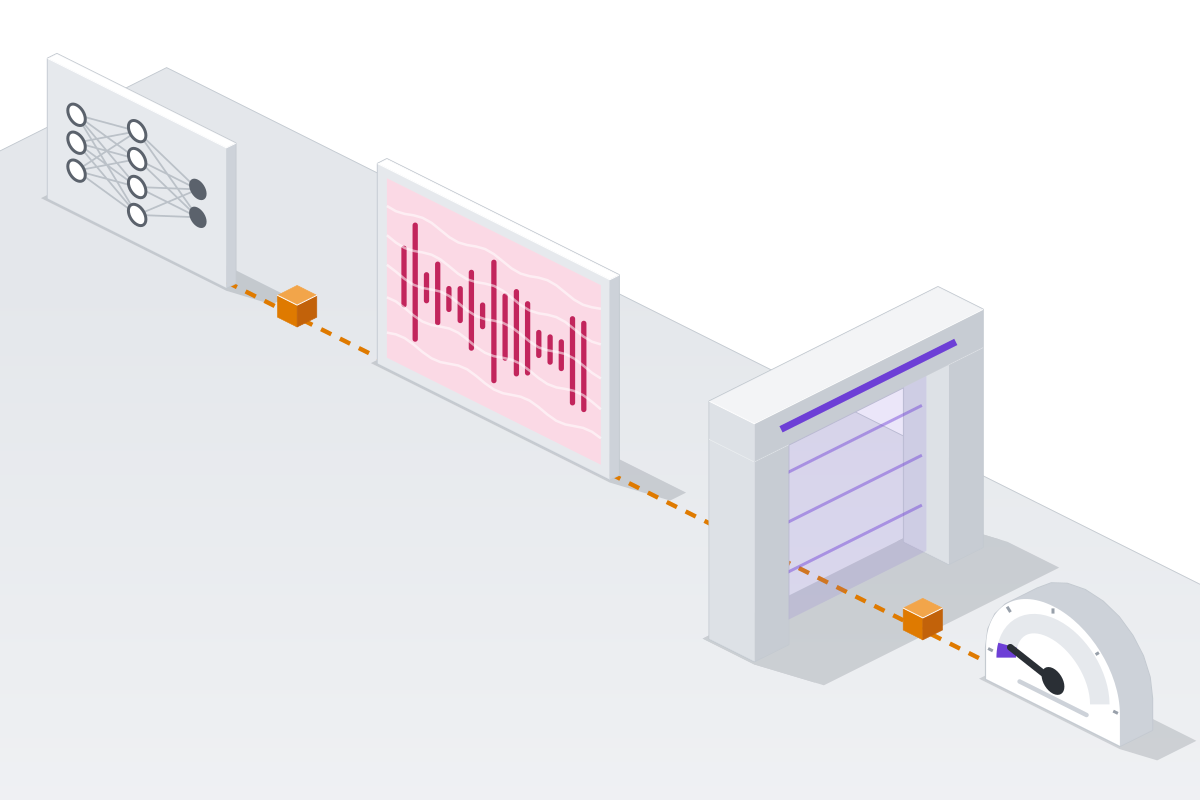
The proposed mechanism targets the structural consistency used to detect embedded watermarks. According to the abstract, scrambling speech harmonics can disrupt that consistency while preserving perceptual quality, allowing detection to fail without requiring watermark erasure. ScrambleMark combines a deterministic engine that discovers transferable harmonic perturbations with a generative model that learns randomized scrambling patterns.[1]
The authors frame this approach around restricted detector access: they say TrustedAudio limits detection to authenticated users and withholds meaningful feedback from unauthorized parties. They also report resistance to adaptive recovery intended to reverse the scrambling. The saved abstract does not detail the recovery procedures, evaluation sample sizes, detector thresholds, or platform versions, limiting how precisely readers can interpret those claims.[1]
[1]: arXiv, “ScrambleMark: Zero-Query Watermark-Agnostic Black-Box Evasion of Modern Speech Watermarking,” submitted 3 November 2026. https://arxiv.org/abs/2611.04122
Sources
Check or correct this page
Verification record
The digest below shows whether the text you are reading matches the published source. It does not show that the reporting is correct. The build computes it from this page's Markdown source and lists it in the site manifest.
a7778870519fb0ed964fe0925ff0b1acf5463e858c88e4618349900424ec35a8