On 18 November 2026, Google described how Sashiko, its Gemini-powered agentic code review system, examines Linux kernel patches and reported results from its use. Google says it donated the open-source project to the Linux Foundation earlier in the year and runs a service that reviews patches sent to public kernel mailing lists.[1]
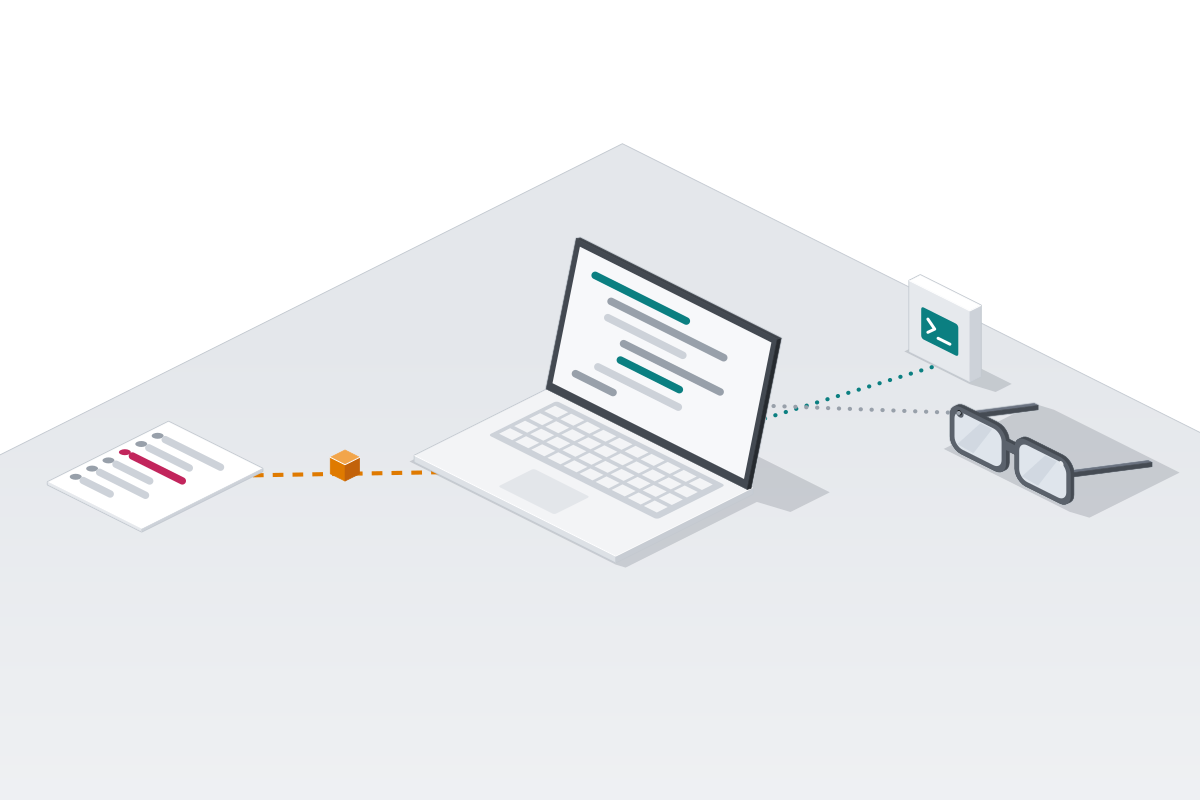
The review pipeline gathers surrounding code and subsystem guidance, then runs up to seven specialist sessions on areas such as locking, resource lifetimes and security. A lead verifier triages both potential bugs and concerns that specialists dismissed. Difficult cases receive separate checks, with agents asked to support both bug claims and dismissals with code evidence across call sites. The system then produces a review report.[1]
Google says prompts, tool calls, reasoning steps and ruled-out bugs are public. It also says maintainers must opt in before Sashiko sends review emails to their lists. Local users can choose different models and customize prompts, while the current prompt system combines generated code notes with maintainer instructions.[1]
Google reports that, among 21,500 tracked mainline commits, 0.9% of patches with a clean Sashiko review received a follow-up fix within 60 days, compared with 7.6% of patches merged despite a critical warning. These are reported observations, not a controlled demonstration that Sashiko caused the difference. Google also reports that its benchmark contains nearly 1,000 historical kernel bugs; it says Sashiko caught 75.8% with Gemini 4 Carbon at high thinking level.[1]
[1]: https://cloud.google.com/blog/products/application-development/lessons-from-building-sashiko-an-agentic-code-review-system
Sources
Check or correct this page
Verification record
The digest below shows whether the text you are reading matches the published source. It does not show that the reporting is correct. The build computes it from this page's Markdown source and lists it in the site manifest.
c7a455e8acf5b1de6a674d988d8efc1f942481ab827e0240dcb011855783efbf