Cloudflare announced an experimental Agents SDK example on 9 November 2026 that runs the Codex agent loop inside a Cloudflare Durable Object. The company says conversations, files, and completed model and tool results persist across restarts, allowing recovery after interruptions. The example adapts Codex’s Rust turn-processing code to WebAssembly and uses Agents SDK storage and recovery capabilities.[1]
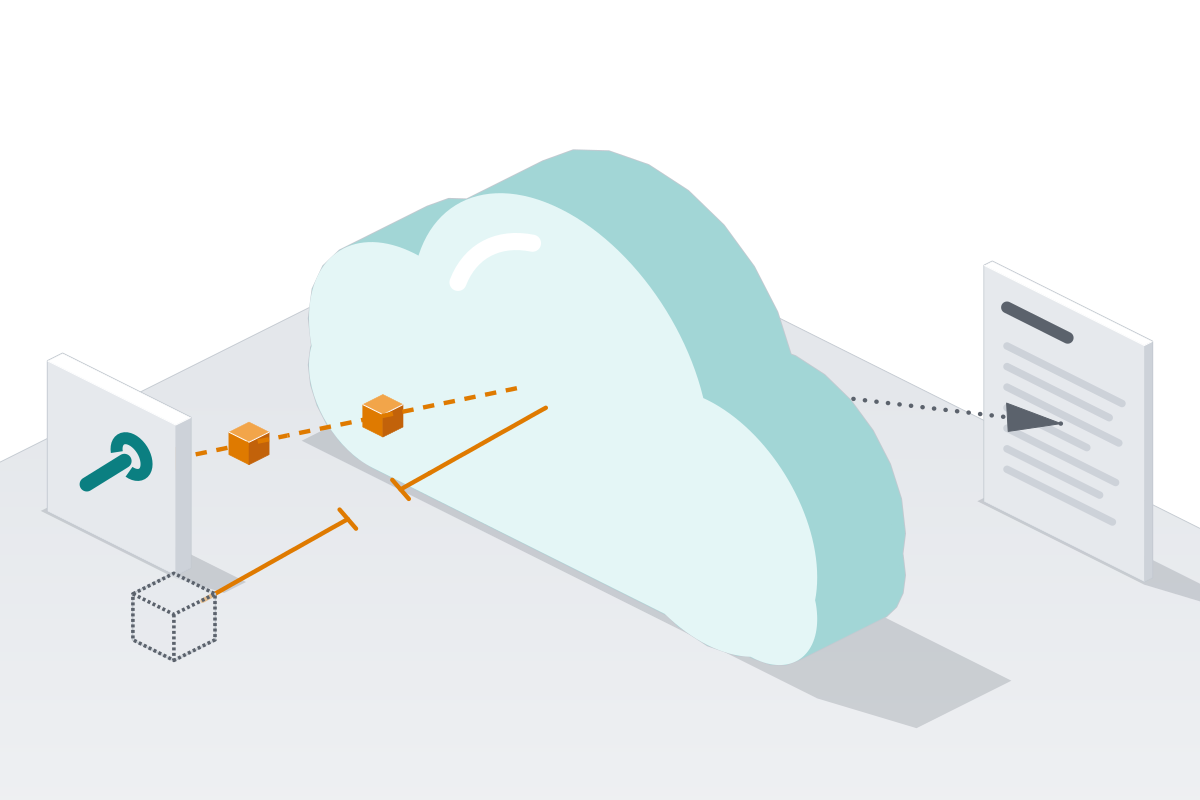
The announcement describes four components. Tasks journals model calls and tool execution: completed steps reuse recorded results after a restart, while interrupted steps can run again. Sessions stores conversation history and compacts model context. Streams stores ordered events for replay after reconnection, and Workspace supplies tools for reading and writing persistent files. This makes the distinction between completed and interrupted work central to interpreting the recovery claim.[1]
The configuration example connects OpenAI’s GPT-6.1 Sol through AI Gateway using createAI, and installs Tasks, Streams, Sessions, and the Codex harness through Lifecycle. Cloudflare says using that model requires configuring the default gateway with Unified Billing or a stored OpenAI API key. The post directs readers to a separate harness guide for setup, models, tools, and recovery behavior; that guide was outside this reading.[1]
[1]: Cloudflare, “Run the Codex agent loop on Cloudflare Workers,” 9 November 2026. https://developers.cloudflare.com/changelog/post/2026-11-09-codex-harness/
Sources
Check or correct this page
Verification record
The digest below shows whether the text you are reading matches the published source. It does not show that the reporting is correct. The build computes it from this page's Markdown source and lists it in the site manifest.
c61d543fe9968e4a527e93e5a0ebceef4483f0621e094109a4780f1fc420b604