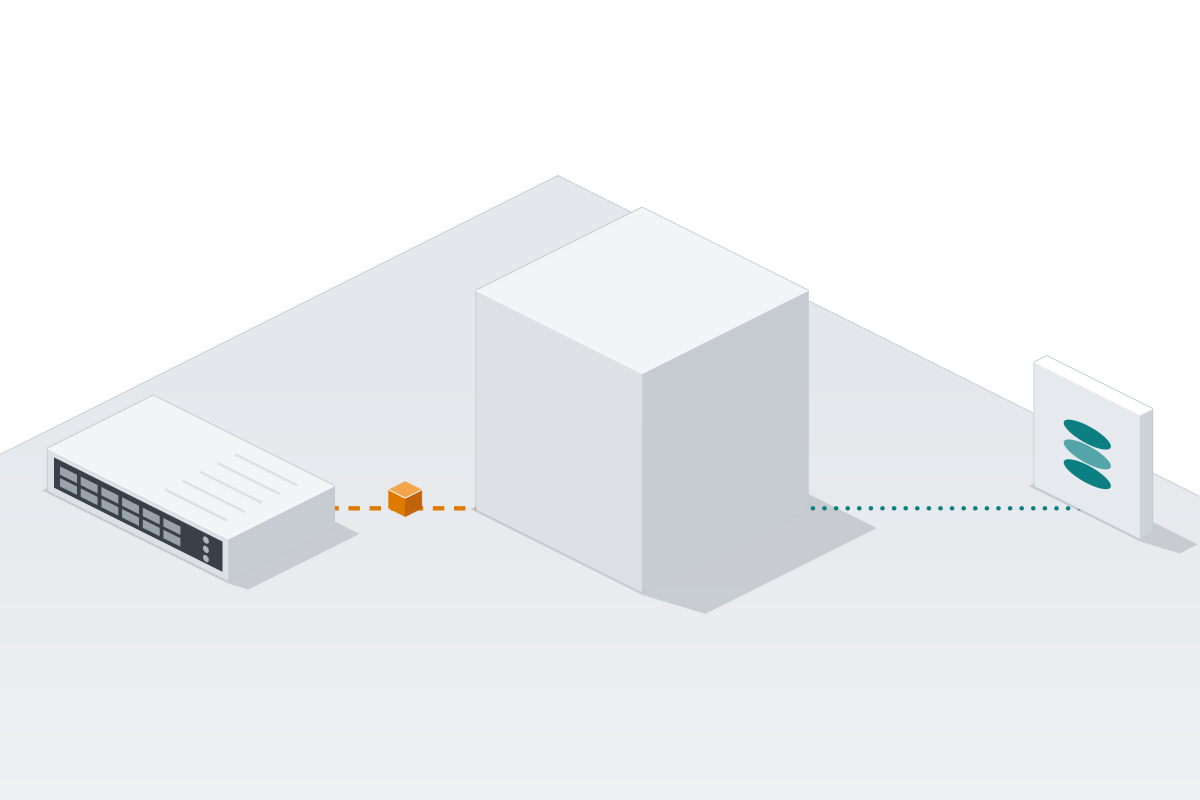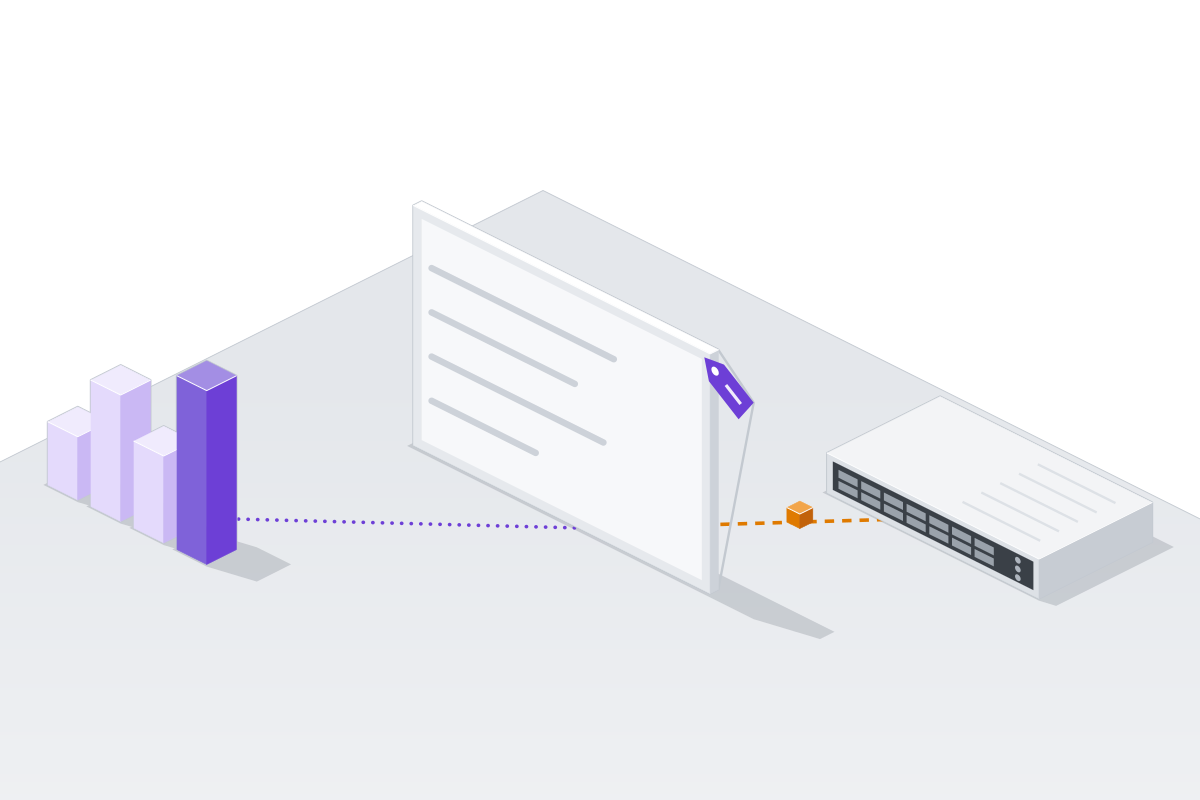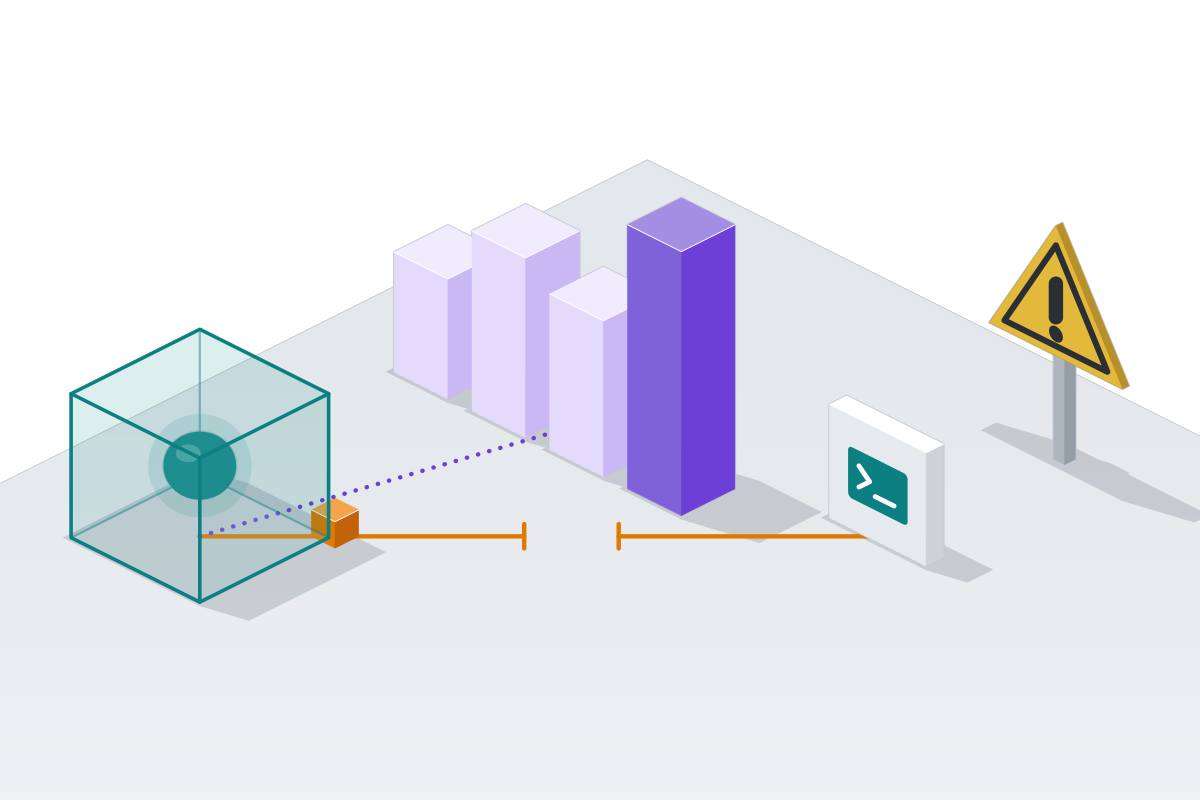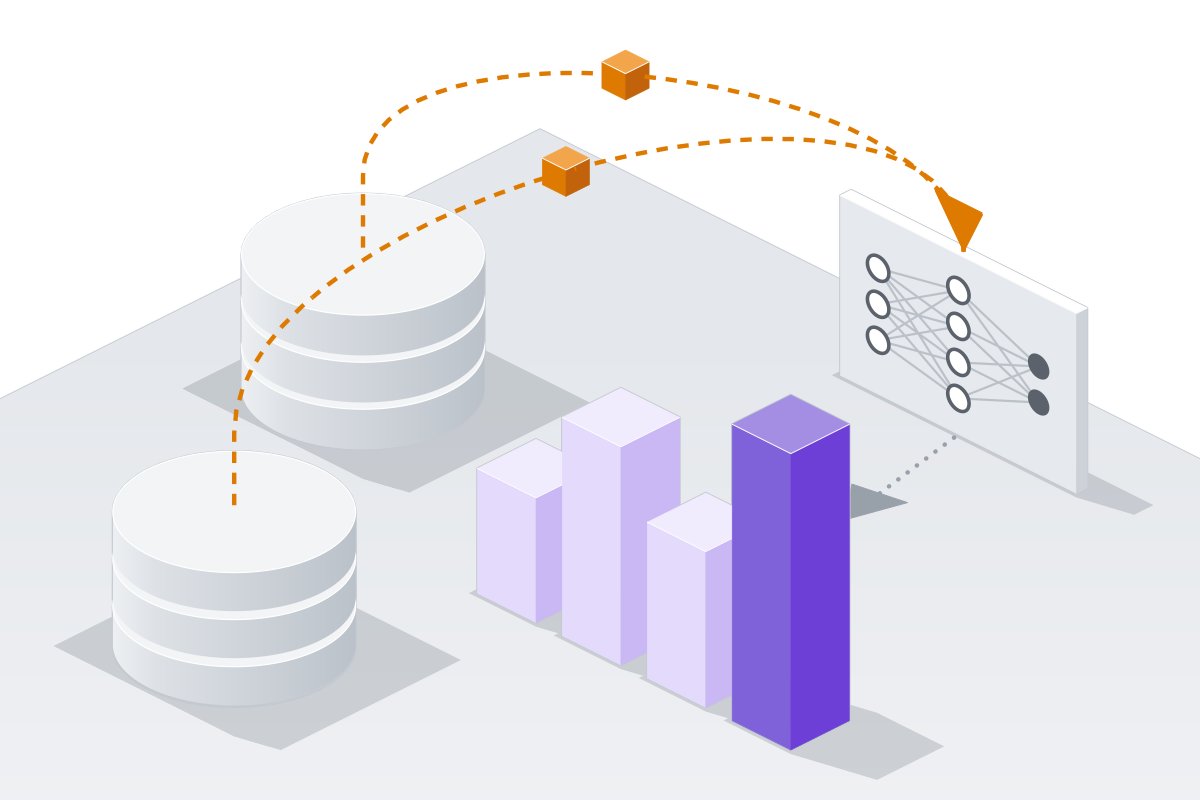
NIST’s National Cybersecurity Center of Excellence (NCCoE) announced on 29 October 2026 that it released an open-source Privacy-Preserving Federated Learning (PPFL) Testbed and a curated genomic dataset. Part of NIST’s Privacy-Enhancing Technologies (PETs) Testbeds, the resources are intended to help organizations experiment with using sensitive data while reducing privacy risks.[1]
According to NIST, the software supports centralized training and training across federated sites, with or without differential privacy. Federated learning keeps training data at participating sites; differential privacy adds calibrated noise to limit what a model reveals about an individual record, with an accuracy tradeoff. The testbed lets users compare how configurations and privacy settings affect model performance.[1]
The companion dataset contains more than 18,000 soybean accessions, or individual records, from the United States Department of Agriculture Soybean Germplasm Collection. NIST describes it as ready for machine learning and a common basis for comparing testbed configurations. Genomics is the first use case; NIST says the software also works with many tabular datasets with little configuration. The announcement mentions a public red-teaming exercise in 2025 but supplies no findings from it.[1]
[1]: NIST, “Privacy-Preserving Federated Learning (PPFL) Testbed and Curated Dataset,” 29 October 2026. https://www.nist.gov/news-events/news/2026/10/privacy-preserving-federated-learning-ppfl-testbed-and-curated-dataset
Sources
Check or correct this page
Verification record
The digest below shows whether the text you are reading matches the published source. It does not show that the reporting is correct. The build computes it from this page's Markdown source and lists it in the site manifest.
dca5d3f17c5acdaab182edde6f8d88732f0ab25c8a85f33d3e0b26baec101d3e