CNCF published a member post by Nirmata’s Jim Bugwadia on 11 November 2026 describing how OpenShell combines agent request controls with Kubernetes admission policies. The walkthrough’s central operational boundary is that OpenShell checks selected Pod settings, while platform teams remain responsible for allowed images, resource limits, credential handling, and permissions to change its Kubernetes access rules.[1]
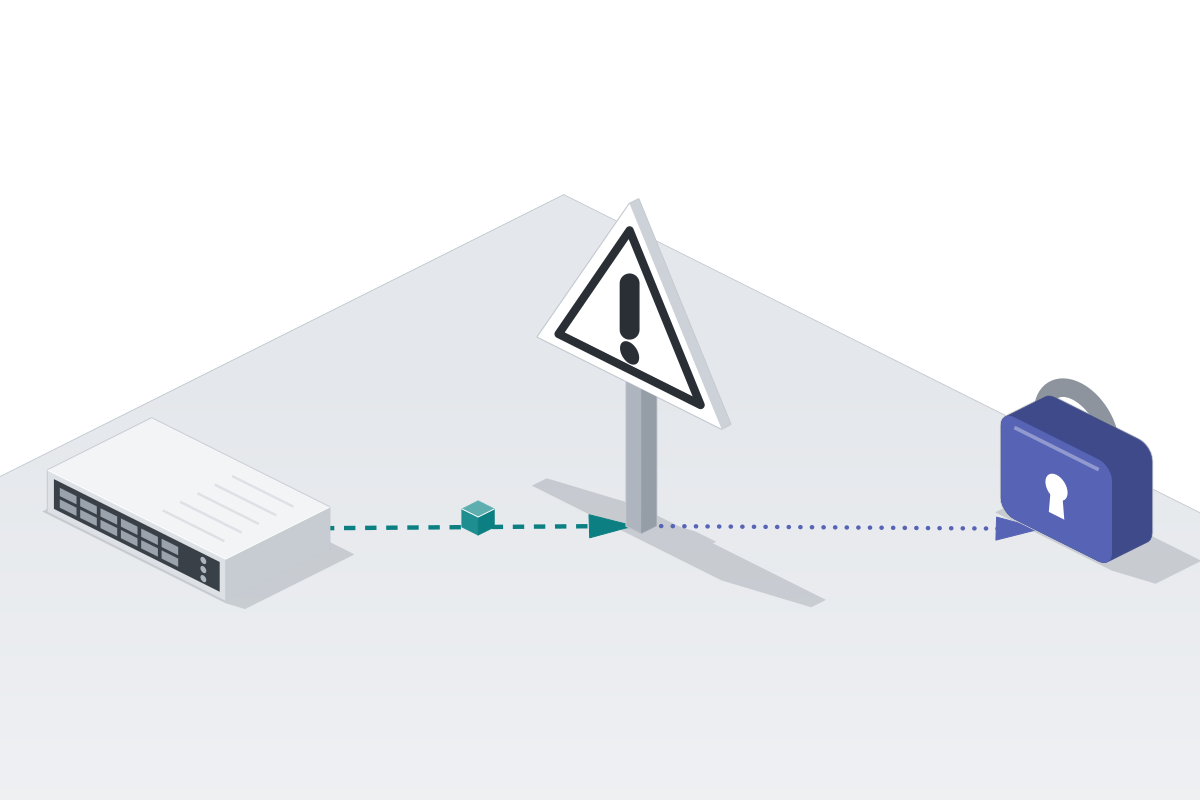
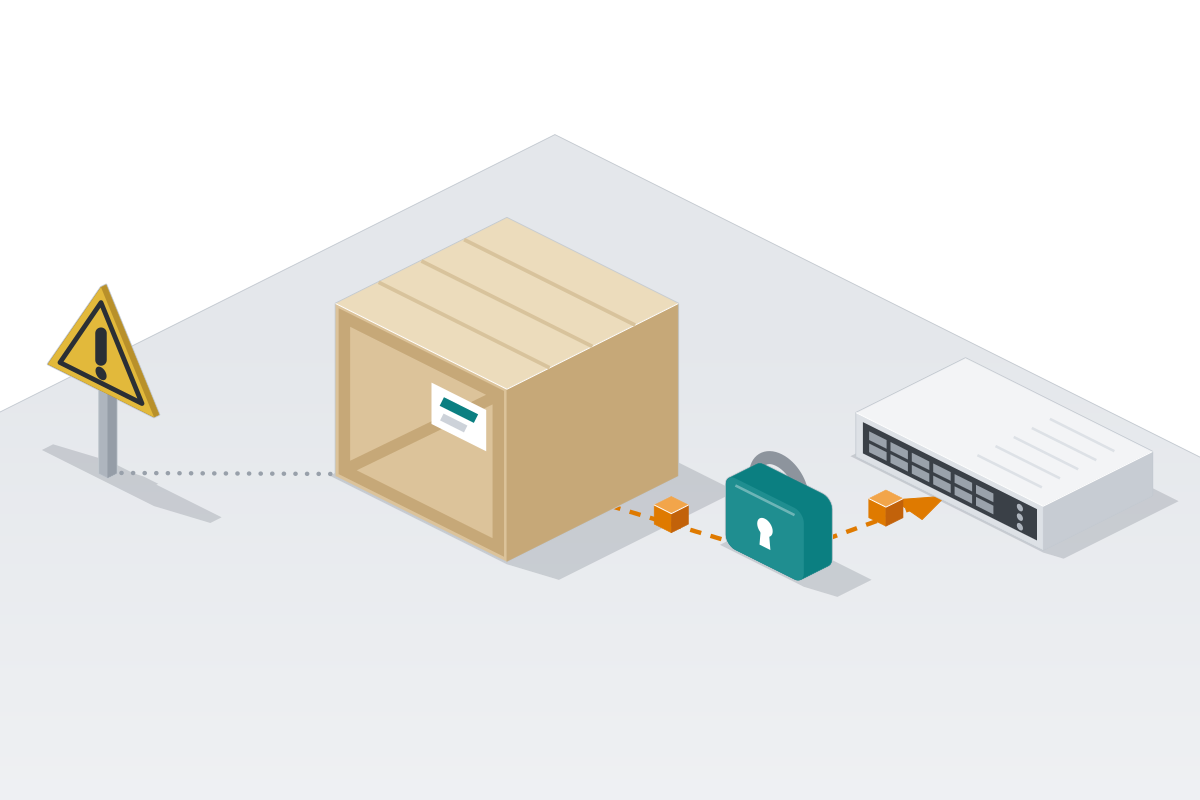
According to the post, OpenShell uses SIG Apps’ Agent Sandbox rather than its own scheduler. A supervisor outside each agent sandbox checks outbound requests by destination, port, calling binary, and HTTP request. The agent receives credential placeholders; the supervisor substitutes real keys for provider-approved endpoints. The article describes policy updates without a sandbox restart and reports a demonstration that allows GitHub reads while denying issue creation.[1]
The example uses OpenShell 0.1.3 and Kyverno 1.18.2. Its admission policies require digest-pinned images, restrict privileges and resources, and reject direct Secret injection through envFrom. However, the post explicitly warns that the gateway’s ServiceAccount can still create Pods and NetworkPolicies directly. For production, it recommends extending policies to Pods and every NetworkPolicy selecting OpenShell workloads. Signature verification and stronger RuntimeClass requirements are among the controls omitted from the demo.[1]
[1]: OpenShell on Kubernetes: A guide for platform engineers — CNCF, 11 November 2026.
Sources
Check or correct this page
Verification record
The digest below shows whether the text you are reading matches the published source. It does not show that the reporting is correct. The build computes it from this page's Markdown source and lists it in the site manifest.
1805c1992953ad8f327525dca1b7e486eacd3b1c8d62da6fa460bec74dbb4aba