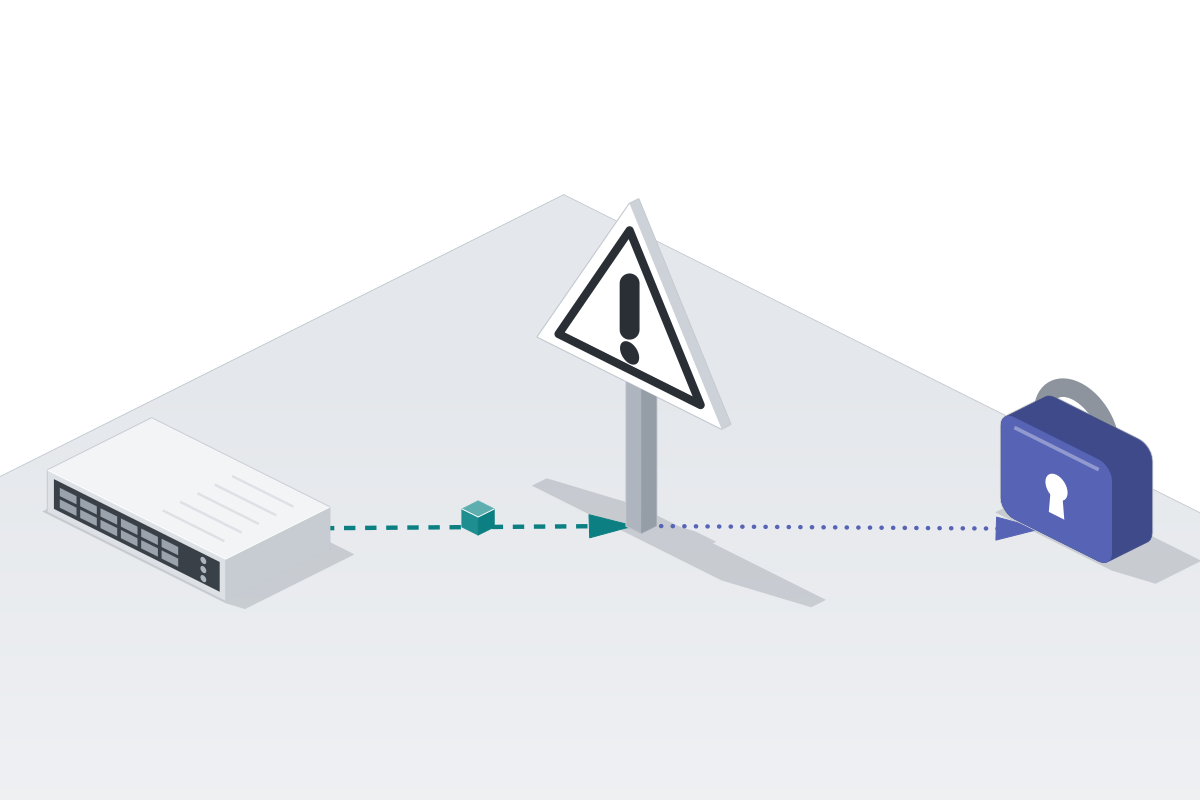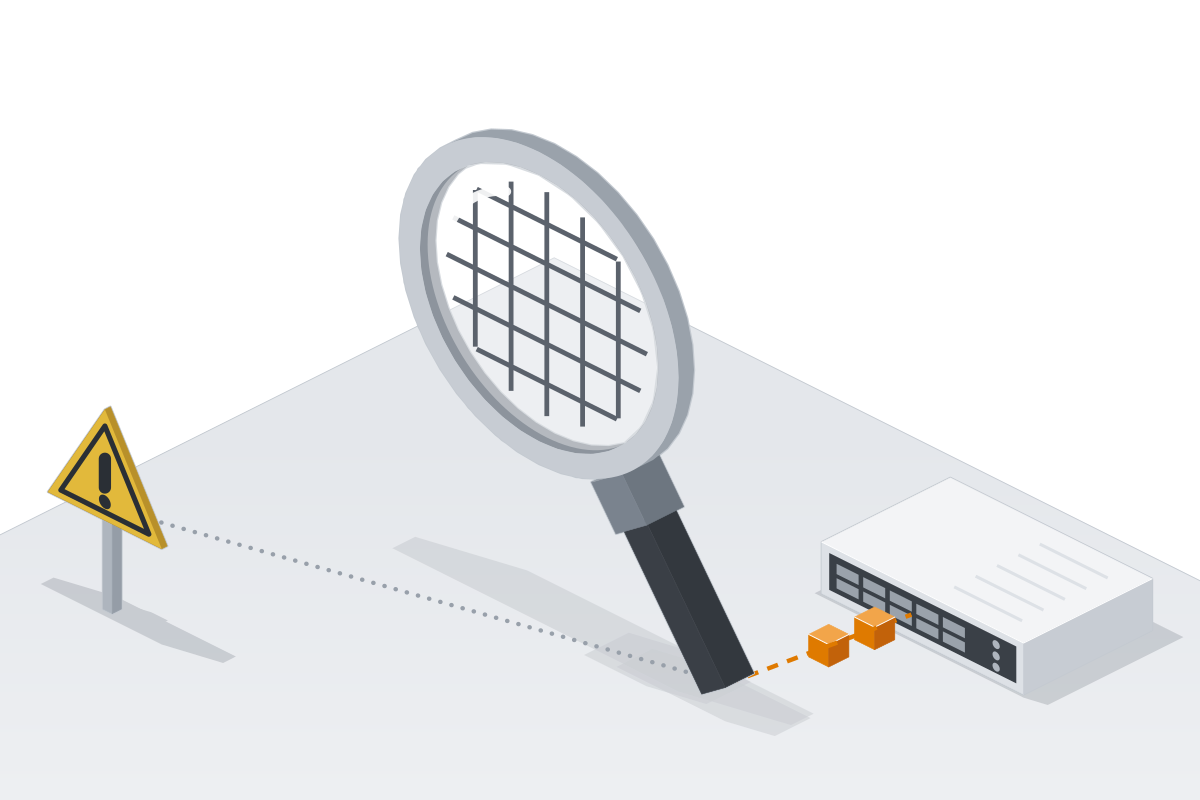
On 5 November 2026, an advisory for Model Context Protocol (MCP) Inspector reported that an untrusted MCP App could escape its content security policy (CSP) restrictions by navigating its own frame. It lists @modelcontextprotocol/inspector versions 2.0.0 through 2.13.0 as affected and 2.14.0 as patched.[1]
The issue concerns the web client's Apps tab when an app uses the default opaque-origin srcdoc path. According to the advisory, the app can navigate its inner frame to an attacker-controlled page. The frame retains its sandbox flags, and the proxy continues to accept messages from the same frame window and relay host messages to it. The advisory says this lets the remote page take over the app's message bridge and bypass the per-app list of allowed connection domains.[1]
The advisory reports a reproduction using the shipped sandbox proxy with connections and form submissions disallowed by CSP. It says the attacker origin received data in a navigation URL and a subsequent private tool result, while the host received a tool call sent by the attacker page. These are the advisory's reported results; we did not reproduce them.[1]
Exposure requires a user to render an app from a connected server. The advisory identifies malicious or compromised servers as the relevant threat and says CLI and TUI users, people who do not open the Apps tab, and apps using a dedicated origin take different paths or are outside the affected group.[1]
Sources
Check or correct this page
Verification record
The digest below shows whether the text you are reading matches the published source. It does not show that the reporting is correct. The build computes it from this page's Markdown source and lists it in the site manifest.
41a335a13ca4fe820b859a18623d044b998cb074519a2d198a5f41e38ea76940