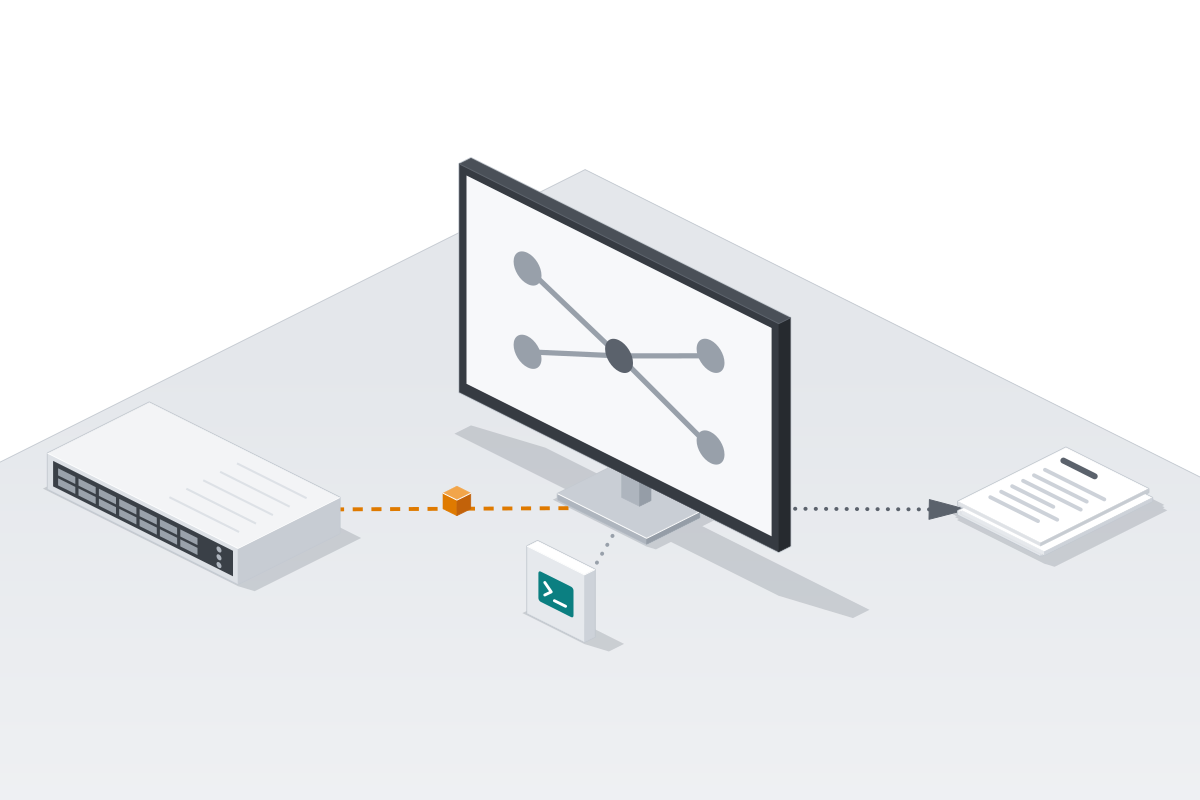
Kiro outlined on 26 October 2026 how its Crew team manages quality in an agent-driven development process that it says merged 1,000 pull requests (PRs) in one week with three engineers. Its central accountability mechanism is a review record combining findings, responses, test evidence and a final readiness verdict, rather than an engineer remembering every code change.[1]
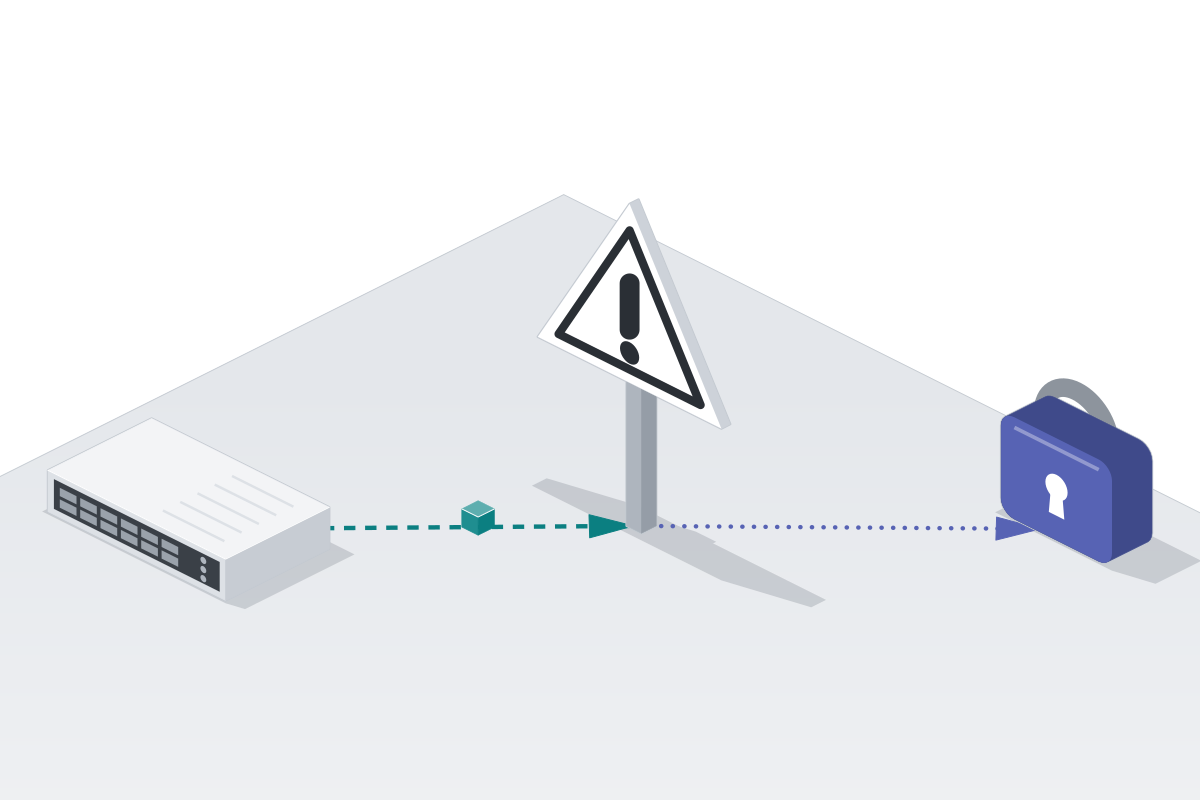
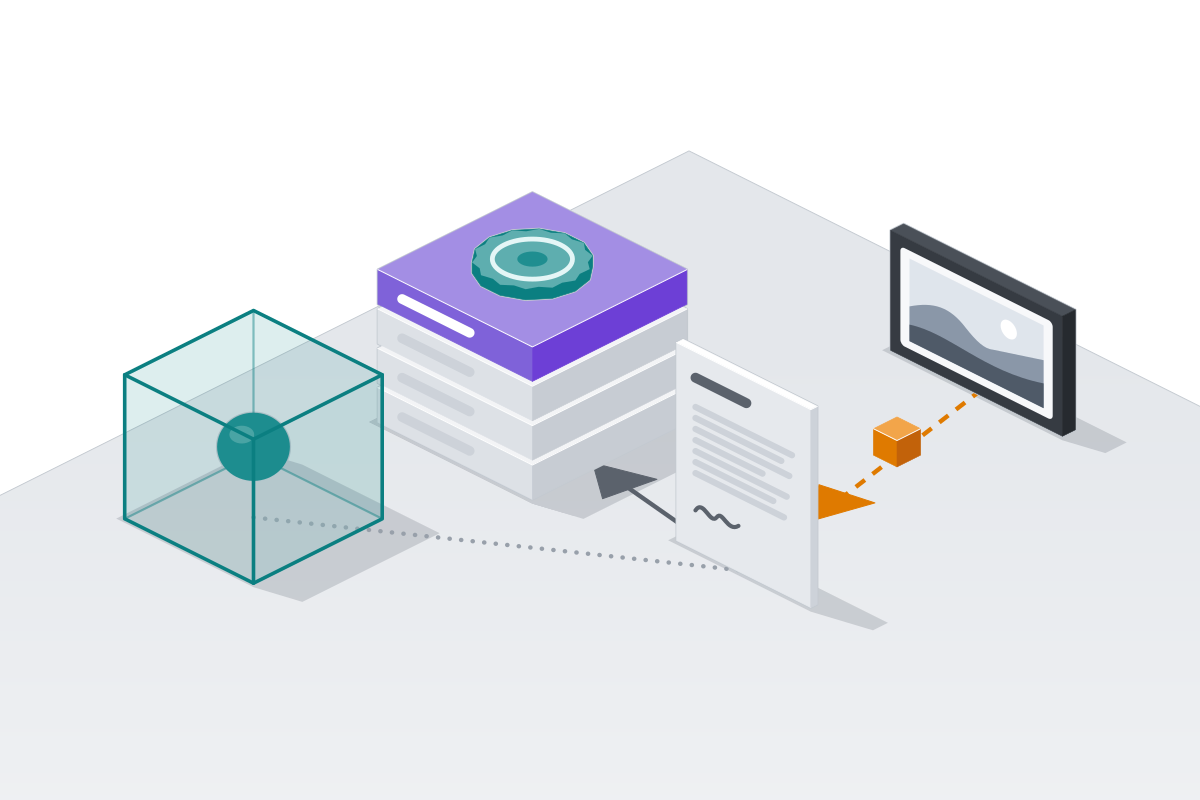
The team says every PR receives automated builds, unit tests and end-to-end tests. A test pod runs updated code in an isolated environment and attaches screenshots and videos. Reviewers specialize in architecture, underlying requirements and user experience, with different model families also reviewing code. A blocking finding must identify a location, quoted evidence, a trigger and a consequence.[1]
The built-in prepare-pr skill repeats fixes and review responses until a single PR Readiness check turns green. Kiro says that verdict must mean every expected action ran and passed: an absence of failures could otherwise mean checks have not run. Simple-tier PRs are approved and merged automatically; others receive AI-drafted suggestions for human review.[1]
Kiro also describes tests on the built product before release, including an agent driving core user flows, plus continuing security checks after merge. It acknowledges missed bugs and review loops that inflate small fixes, and describes retrospectives and a conductor agent intended to redirect those loops.[1]
[1]: Kiro, “Keeping a software factory stable at 1,000 PRs a week,” 26 October 2026. https://kiro.dev/blog/software-factory-stability/
Sources
Check or correct this page
Verification record
The digest below shows whether the text you are reading matches the published source. It does not show that the reporting is correct. The build computes it from this page's Markdown source and lists it in the site manifest.
657c254d2a76fa04d648446d696e8ce1ef287e0a062ce1fe9473d41a15669d6a