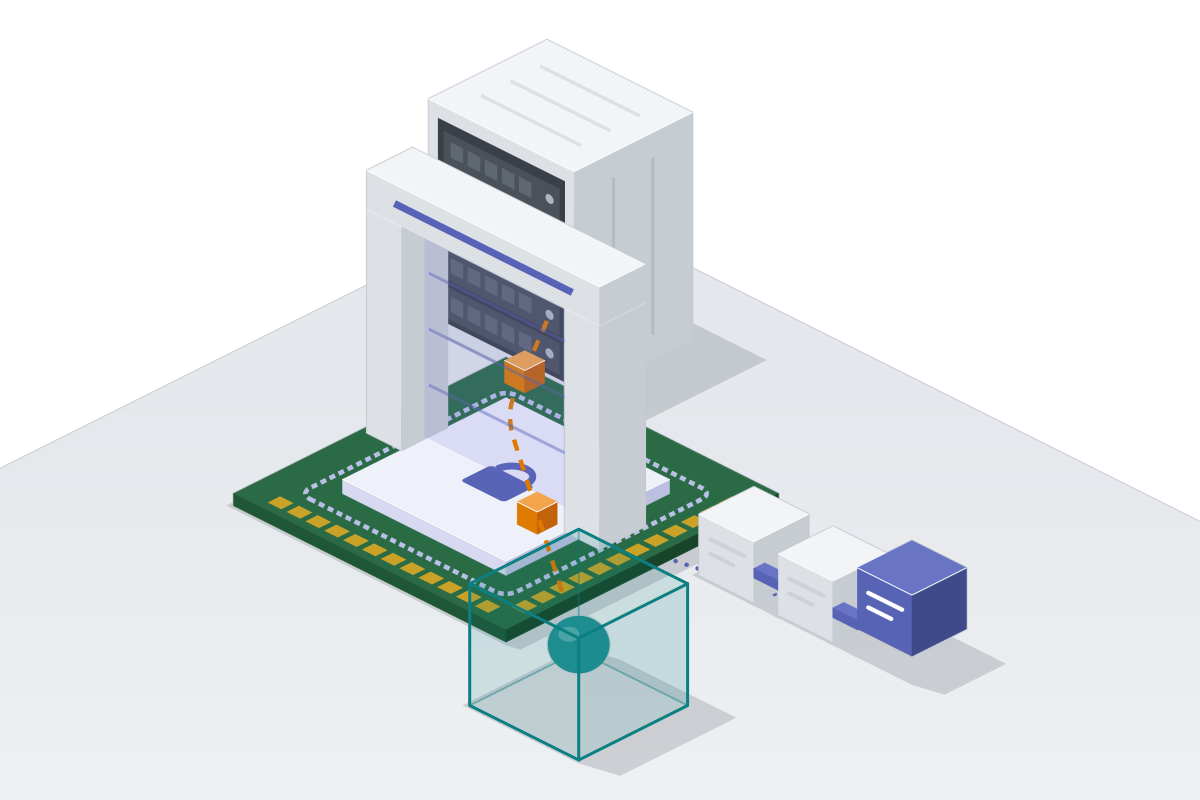
NVIDIA described Sentry on 21 October 2026 as a security software framework that monitors AI agents and enforces access policies from a hardware trust domain on BlueField-4 data processing units (DPUs), independent of host software. The company places it within the OpenShell reference architecture and plans availability early next year, meaning early 2027. Existing DOCA libraries and microservices provide a starting point for experimentation.[1]
According to NVIDIA, DOCA Flow applies a per-agent network firewall, forwarding permitted traffic to DOCA Tower, an Envoy-based proxy. For connections configured for inspection, Tower terminates Transport Layer Security (TLS) and evaluates requests using Open Policy Agent. DOCA Argus independently inspects selected regions of host memory, supplying process, container and library context. Policies can require approved container hashes and check initiating processes against a software bill of materials.[1]
NVIDIA also describes specialized models that classify communications inline or out of band. It says BlueField-4 can contain agents within milliseconds and preserve attested telemetry and tamper-evident activity records. These are vendor capability claims; the post describes attestation as evidence of telemetry’s source and integrity, without establishing that every policy decision or behavioral classification is correct.[1]
[1]: NVIDIA Technical Blog, “Inside NVIDIA Sentry: Secure AI Agents at Runtime,” 21 October 2026. https://developer.nvidia.com/blog/inside-nvidia-sentry-secure-ai-agents-at-runtime/
Sources
Check or correct this page
Verification record
The digest below shows whether the text you are reading matches the published source. It does not show that the reporting is correct. The build computes it from this page's Markdown source and lists it in the site manifest.
2a361c56a179ad1aaf3bff1c55c0527c1d005831ed2deec81419003974165d56