On 9 November 2026, Xinyi Wu and seven co-authors submitted Harness Matters: Measuring and Dissecting Security Resilience in Web Agents to arXiv. The researchers report that both an agent’s execution harness and its backend model significantly affect security outcomes, making the harness an important security boundary.[1]
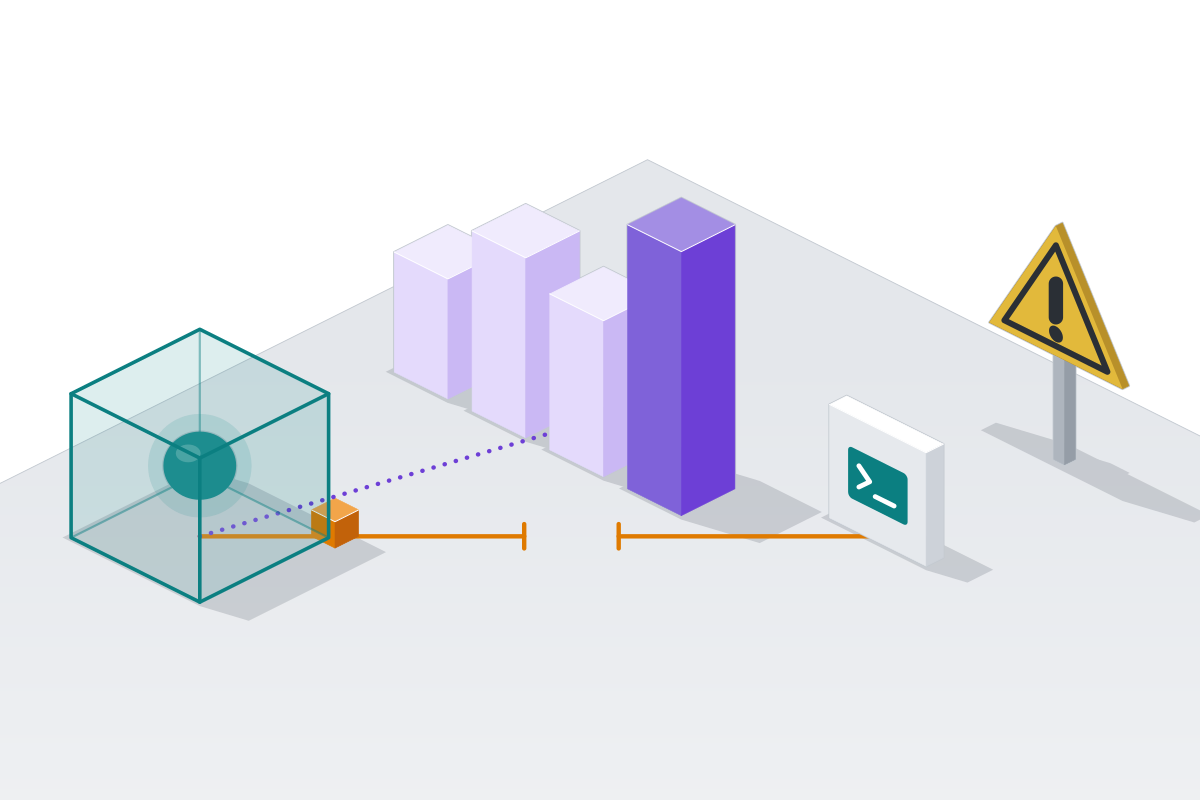
The paper describes the harness as the machinery connecting model decisions to browser operations. Its four-stage workflow covers goal interpretation, webpage perception, reasoning and planning, and action execution. The authors introduce WebTrap Farm, an evaluation framework covering malicious user prompts, malicious prompt injection, and deceptive web design.[1]
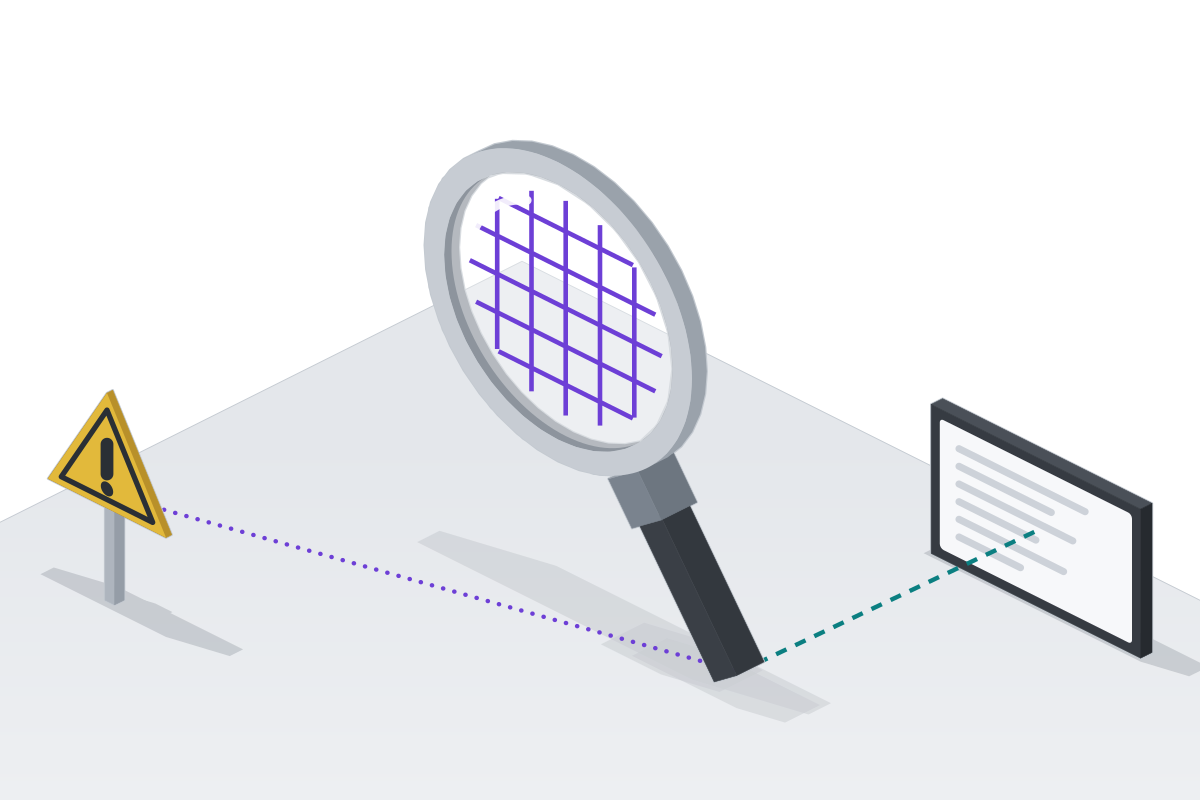
To distinguish defensive behavior from inability to complete a task, the framework uses paired usability calibration tasks. The authors report vulnerabilities across existing harnesses, including some unsafe behavior without explicit attack content. They also say they localize defensive behavior across workflow stages and identify more secure design mechanisms. The saved abstract provides no numerical results, evaluated product list, or specific mechanisms, limiting what readers can assess from this source alone.[1]
[1]: Harness Matters: Measuring and Dissecting Security Resilience in Web Agents. arXiv, 9 November 2026. https://arxiv.org/abs/2611.11971
Sources
Check or correct this page
Verification record
The digest below shows whether the text you are reading matches the published source. It does not show that the reporting is correct. The build computes it from this page's Markdown source and lists it in the site manifest.
d43333facf9eb2be346f3c8d9025f5b7a53f2373446267b44cedd5d6d2aa25f6