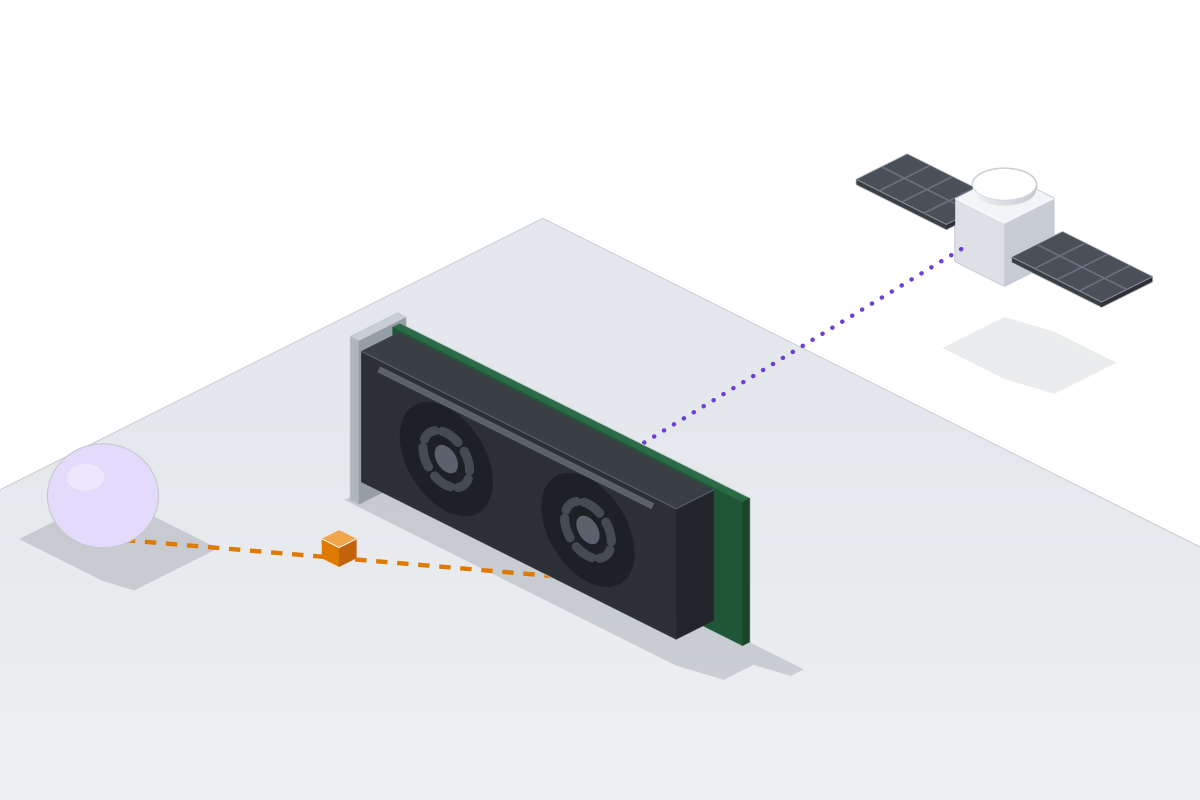
A paper submitted to arXiv on 13 November 2026 describes a method for recovering intermediate states from a running GPU inference process and using them to examine large language model behavior. The authors say the method can work without restarting or modifying the service and without prior knowledge of the model’s architecture parameters or weights.[1]
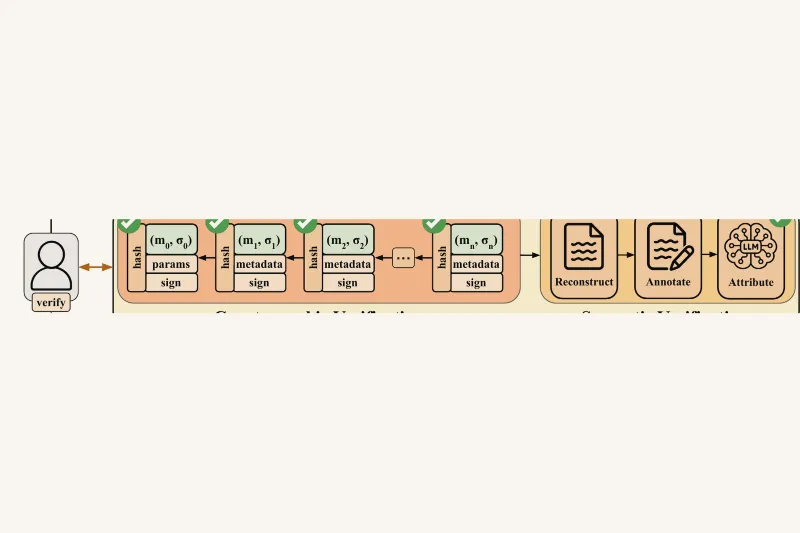
The abstract describes a six-stage process that uses platform-specific adapters and a non-modifying debugger. It says the method uses either a PyTorch allocator clock or a kernel-launch clock to identify and read tensor allocations in GPU memory. The targeted data are per-layer residual-stream activations: intermediate values produced as the model processes a request.[1]
The authors report validating acquisition on 33 open-source decoder-only models across nine architecture classes. They say the recovered bytes matched exactly and were usable for downstream analysis. In one use case, they applied linear probes trained on standard framework activations to the recovered states; the abstract reports an AUROC of 0.88 for distinguishing refusal from compliance on held-out prompts. AUROC summarizes how well a classifier ranks examples across thresholds; this result is the authors’ reported measurement, not an independently reproduced test.[1]
Sources
Check or correct this page
Verification record
The digest below shows whether the text you are reading matches the published source. It does not show that the reporting is correct. The build computes it from this page's Markdown source and lists it in the site manifest.
754f182369d569df083805da7aca8e7a4ae7703a4c5bf046abc9703bc2b6205c