Melika Sepidband, Jiho Shin, Song Wang and Hadi Hemmati submitted FlowPlan to arXiv on 9 November 2026, describing a coding-agent repair approach intended to reduce token costs through planning and checking at an abstract program level. The authors report lower token consumption in all six benchmark-model settings, with statistically significant reductions in five, and no statistically significant change in resolution rate against the vanilla agent.[1]
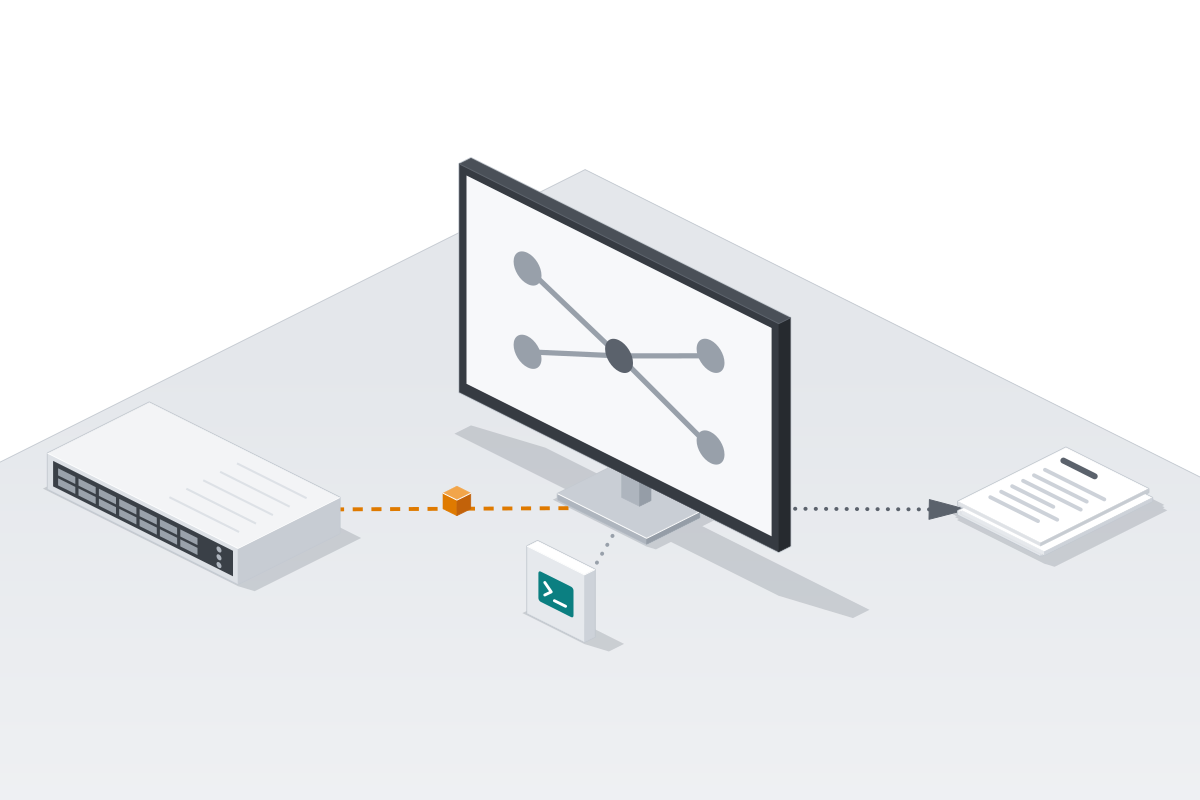
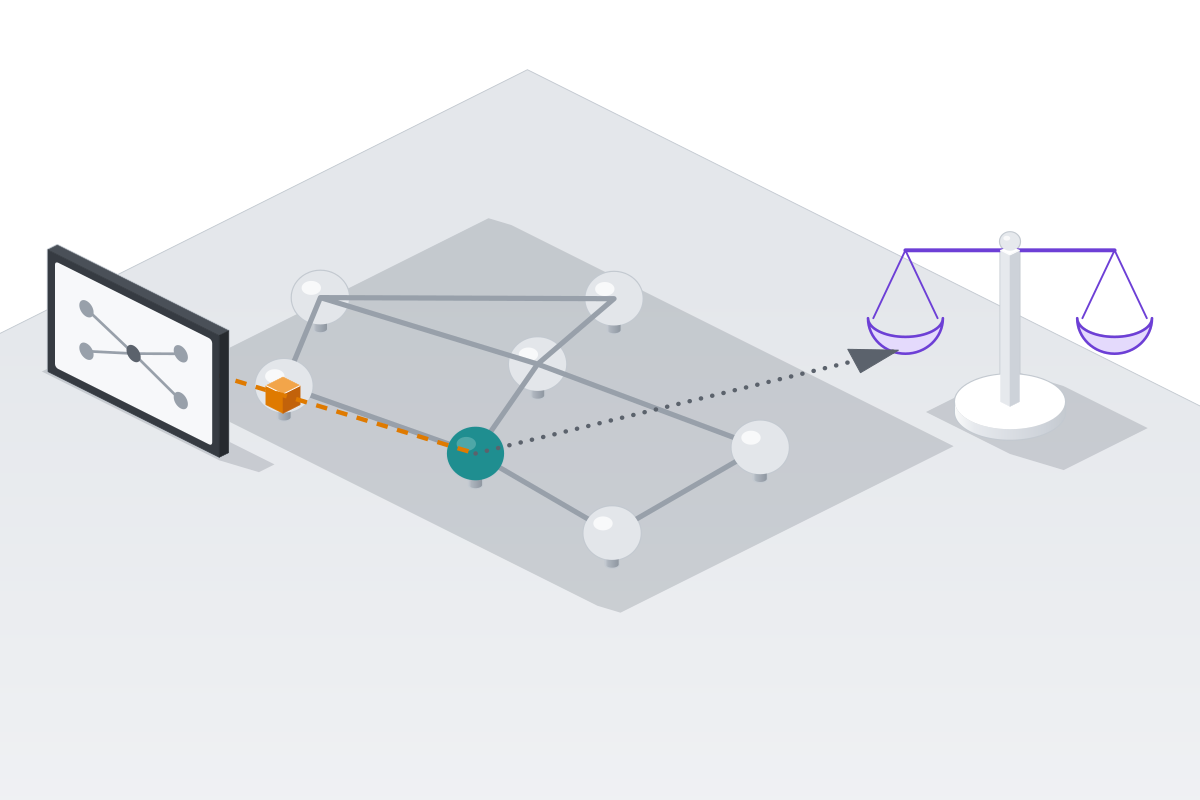
FlowPlan organizes fault localization, repair planning and verification around per-function control-flow or data-flow graphs. Before editing source code, the agent identifies a candidate fault location on that abstraction and specifies the planned graph changes. After editing, it reconstructs the abstraction and compares the observed structural changes with the plan. A further verification step checks the complete repair before termination; the abstract does not specify that step's implementation.[1]
The reported consumption ranges from 0.32–0.35 times baseline tokens for Claude Haiku 4.5 on SWE-bench Verified to 0.92–0.94 times for Sonnet 5 on SecBench. The authors attribute savings to less post-edit rereading and testing, explicit verification and smaller context per call. These are paper claims; a nonsignificant resolution-rate difference does not establish equivalent performance.[1]
[1]: FlowPlan authors, arXiv, submitted 9 November 2026. https://arxiv.org/abs/2611.13241
Sources
Check or correct this page
Verification record
The digest below shows whether the text you are reading matches the published source. It does not show that the reporting is correct. The build computes it from this page's Markdown source and lists it in the site manifest.
aead3d80f44de3028ce24acefa732cdf3383c0af6dd70b6793b32bf4ad77108f