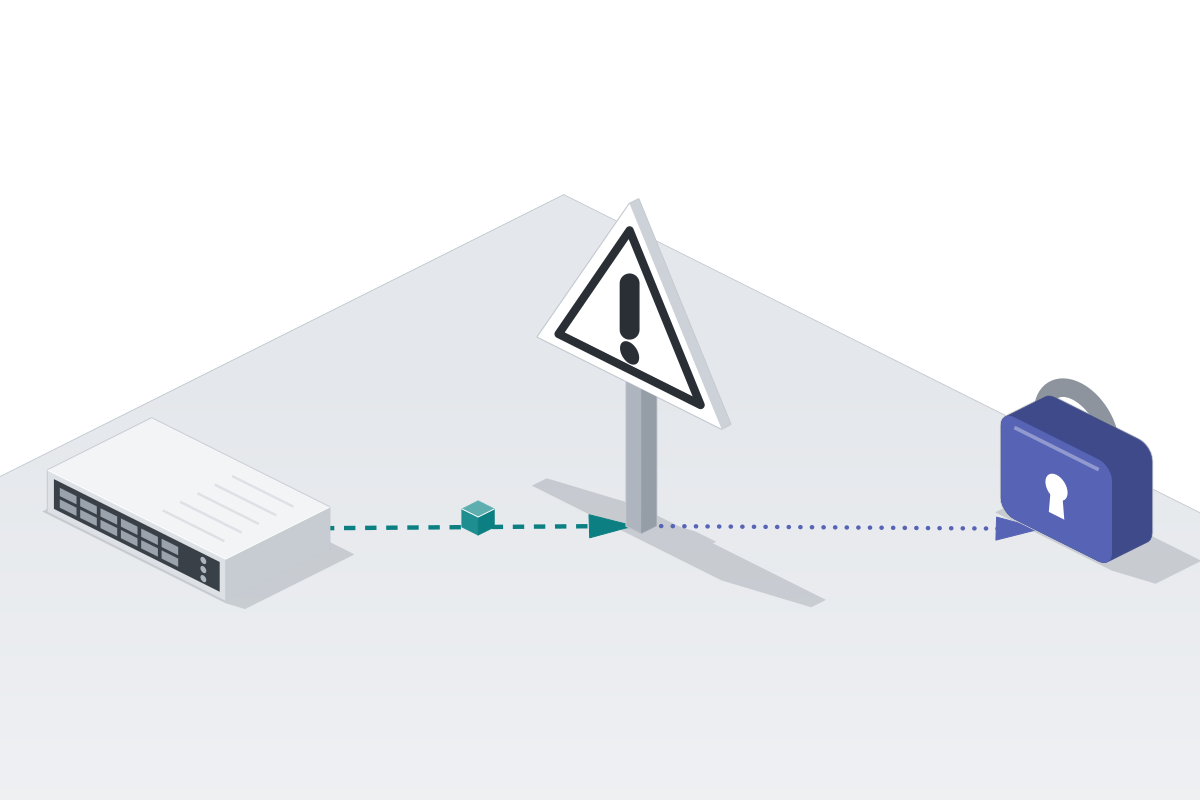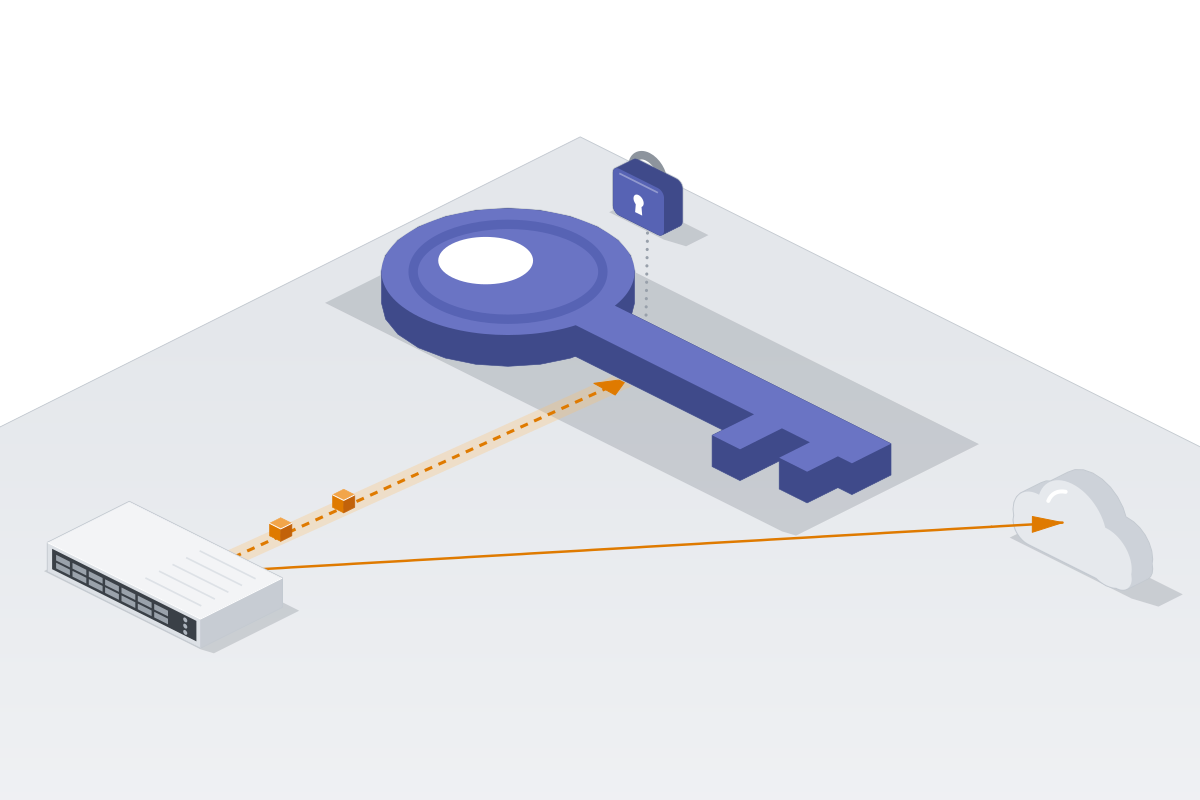
Edera described its object-capability mechanism on 6 November 2026, saying workloads can invoke privileged operations through local Unix sockets while credentials remain with the provider performing the operation. The company says object capabilities shipped behind a feature flag in version 1.11.0 and have been always on since 1.13.0.[1]
An object capability is a reference that names a resource or operation and grants authority to use it. In Edera’s implementation, each workload runs in a zone, a virtual machine with its own kernel. A host daemon brokers calls between zones, checks the grant on every call and identifies callers through their isolation boundary. Providers can fix the command and environment and ignore caller-supplied inputs. A workload does not start if a required capability is unavailable, according to the post.[1]
The scope has important limits. Edera says default workloads retain network access and any supplied credentials; capabilities restrict only operations moved onto that mechanism. Any process inside a consuming workload that can open the socket can use it, and attribution stops at the workload. A provider that leaves the command unrestricted lets the caller run any command in the provider’s workload. Creating providers also requires care: a new provider can take over an existing capability.[1]
[1]: Edera, “Edera Object Capabilities: Privilege Without Credentials,” 6 November 2026. https://edera.dev/stories/edera-object-capabilities-privilege-without-credentials
Sources
Check or correct this page
Verification record
The digest below shows whether the text you are reading matches the published source. It does not show that the reporting is correct. The build computes it from this page's Markdown source and lists it in the site manifest.
c4f2cc28c5d58a38ba16c7dca491c9cdc405c8881dfd56ab11e4adaf13322814