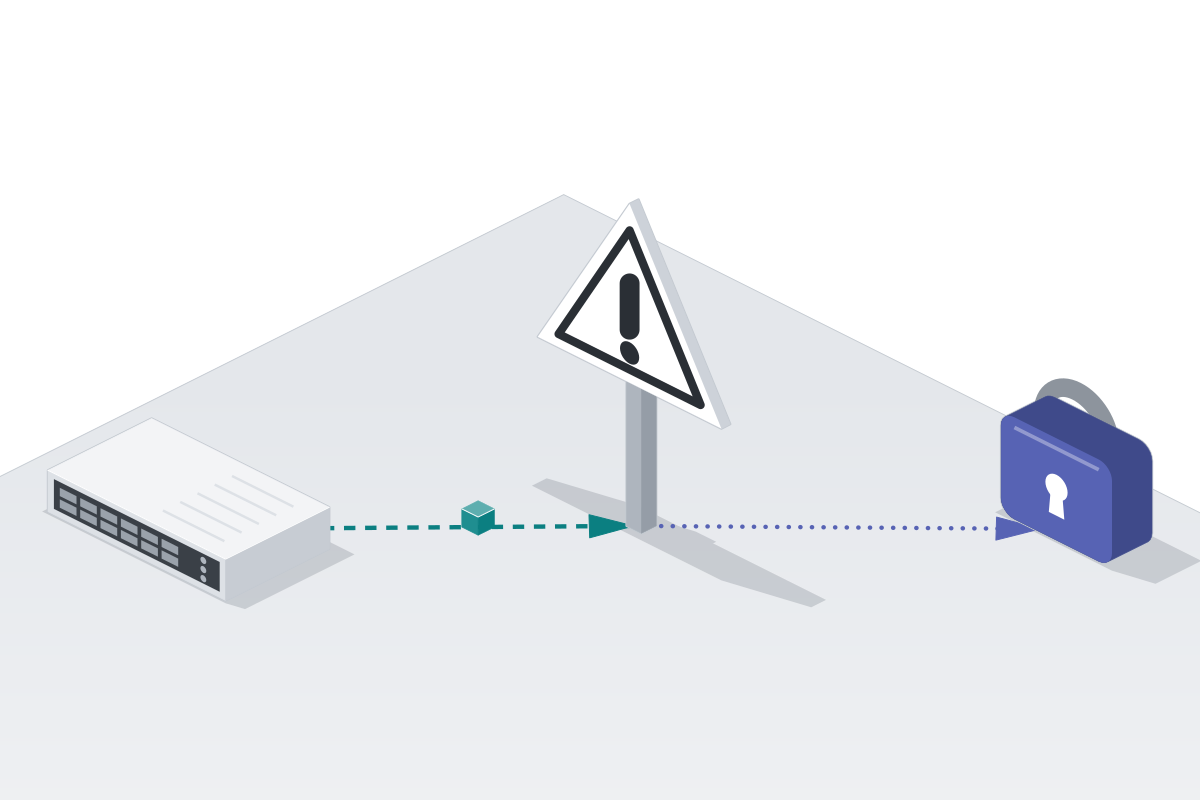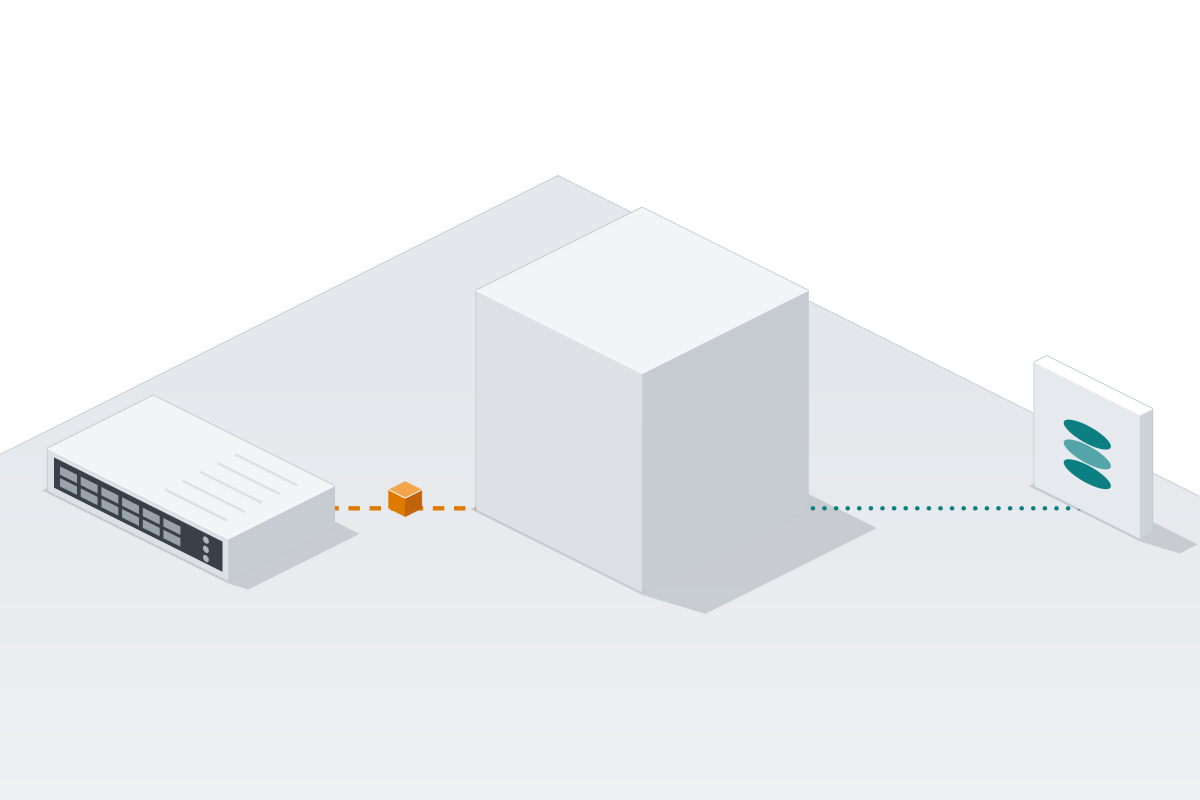
Frederick Roth’s preprint Dependable Agents Need Hard and Fuzzy Rules, submitted to arXiv on 31 October 2026, argues that dependable agents need executable limits alongside learned judgment. Its abstract describes a guard between proposed actions and execution, paired with model rules for decisions that cannot be specified exactly.[1]
The abstract reports testing the hard layer across purchasing, delegation of authority and data access in 1,340 externally authored episodes. Models deciding for themselves executed unauthorized actions in up to 151 of 340 purchasing episodes and 269 of 470 delegation episodes. The guard reportedly executed none; an exhaustive search of 183,204 proposals agreed. However, a separate test in which an outsider wrote the owner’s rules and a program mapped them to the guard produced two breaches at a previously documented boundary.[1]
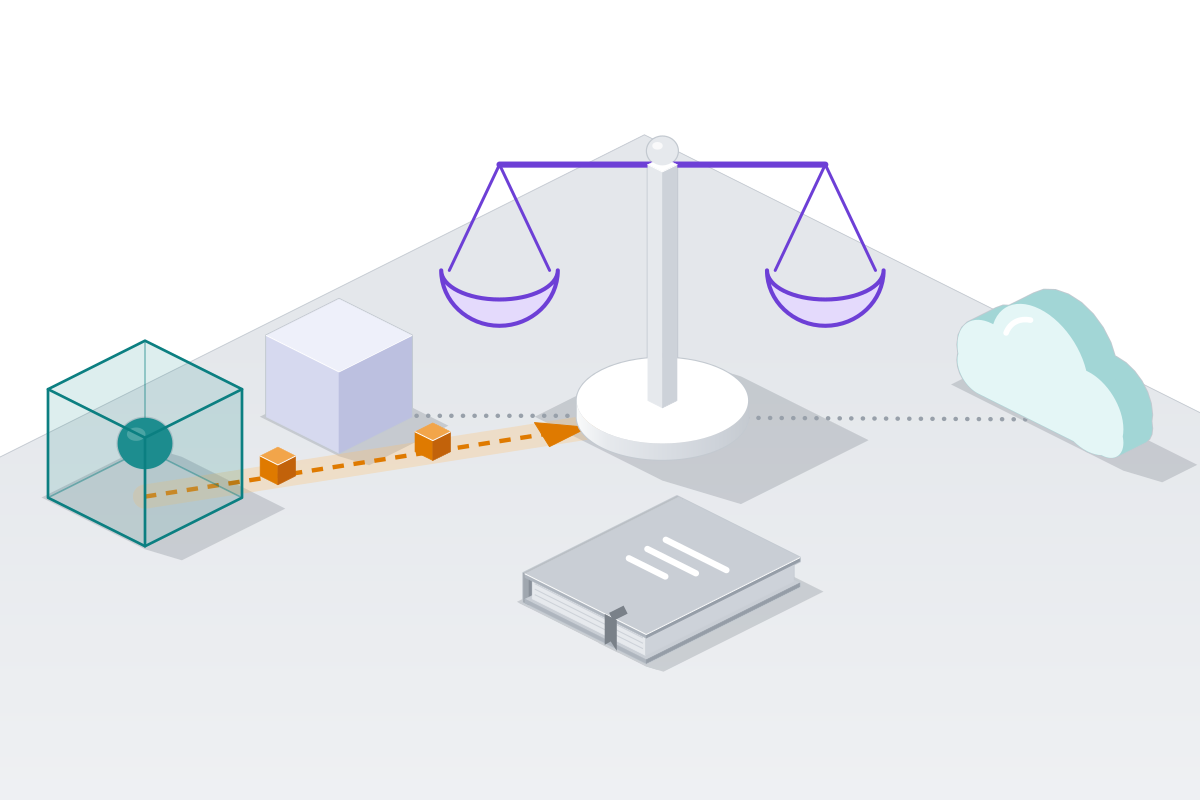
For judgment, the abstract describes Concept Programming, which teaches named rules and measures errors on unseen wording. A small model taught four rules flagged 95 of 96 rule-breaking purchases and four of 108 legitimate requests. Combined with the guard, it left one of 192 rule-breaking requests unstopped while retaining the exact limits in that test. A prompted frontier model performed similarly, according to the abstract.[1]
[1]: Frederick Roth, Dependable Agents Need Hard and Fuzzy Rules, arXiv, 31 October 2026. https://arxiv.org/abs/2611.01043
Sources
Check or correct this page
Verification record
The digest below shows whether the text you are reading matches the published source. It does not show that the reporting is correct. The build computes it from this page's Markdown source and lists it in the site manifest.
418ae79c262dfcd591690fa10105ad96f1222fb096d706269bc666f66f6e749b