Check Point Research reported on 5 November 2026 that it had bypassed ChatGPT Lockdown Mode through HTML page previews. The company says OpenAI informed researchers on 18 September 2026 that a fix had been deployed, and that its subsequent retest found the described exploitation method no longer worked.[1]
Lockdown Mode is an optional security setting intended to reduce data exfiltration caused by prompt injection: malicious instructions embedded in content an AI system processes. According to Check Point, it restricts outbound channels and disables capabilities including live connectors and file downloads. The reported bypass arose in the application surrounding the model.[1]
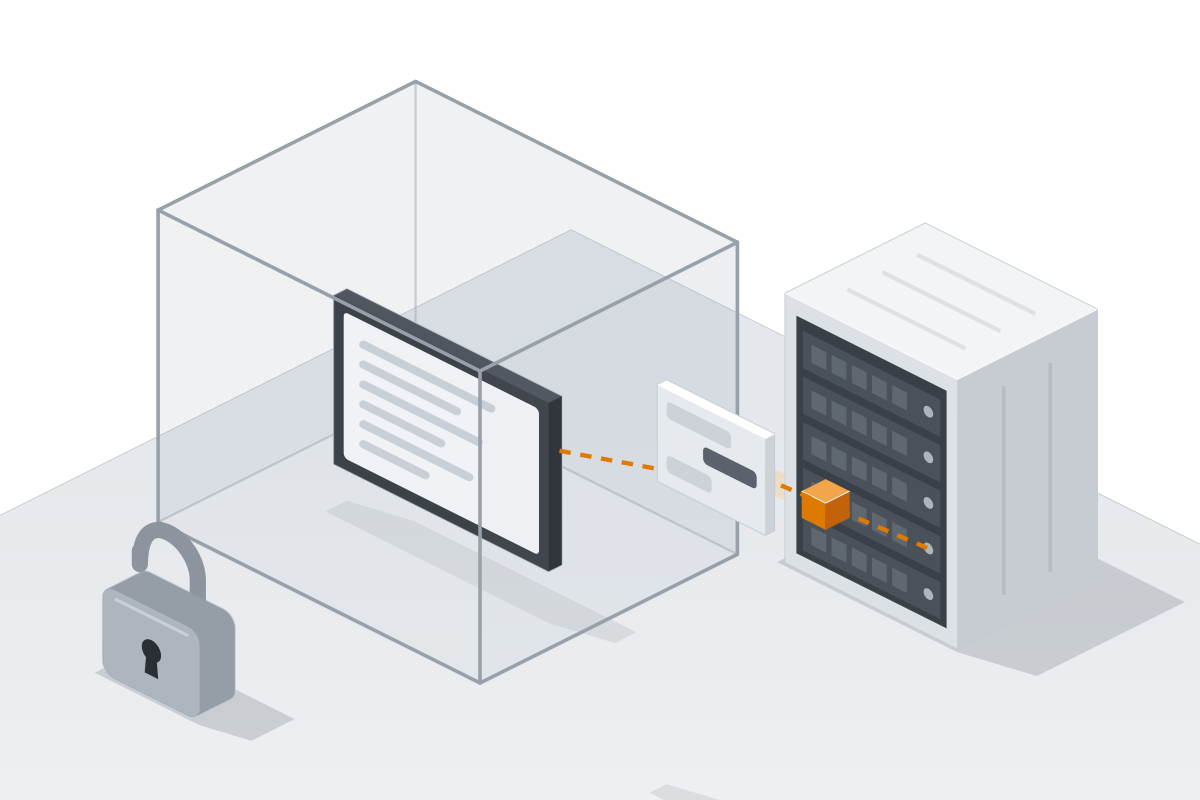
HTML previews used nested sandboxed frames to isolate rendered content. Check Point says direct attempts to open windows were intercepted, but sandbox permissions still allowed popups to escape confinement. Adding another nested frame exposed an unmodified popup function, creating a route around the preview’s restrictions. The reported fix removed the sandbox permissions that enabled this technique.[1]
Researchers say they demonstrated a malicious GPT silently sending chat messages to an attacker-controlled server in the Electron-based desktop application, where popups required no user gesture. They also describe phishing and fake-update lures. Downloading a file in the desktop scenario still required a click; the zero-click claim concerns data exfiltration. Check Point says the underlying technique was not limited to desktop access.[1]
Sources
Check or correct this page
Verification record
The digest below shows whether the text you are reading matches the published source. It does not show that the reporting is correct. The build computes it from this page's Markdown source and lists it in the site manifest.
2f33f1bb165bcce4fcb023d21affbce5b11ca953275f82370fc6726fcefaa6a9