On 19 November 2026, researchers submitted a paper describing BlockJack, an attack that they say can redirect cached data between tenants of a large language model (LLM) service. The authors report both disclosure of victim information in an attacker's responses and changes to a victim's answers caused by attacker-supplied context.[1]
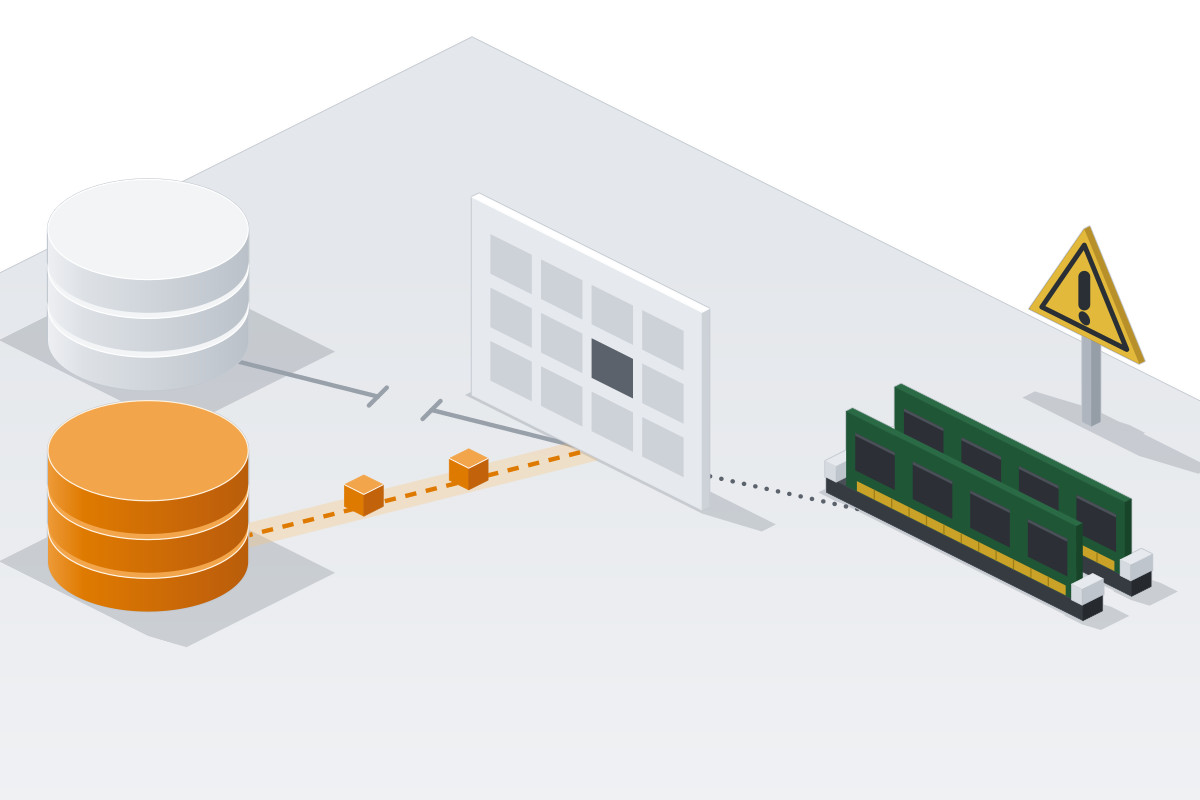
LLM serving systems retain previously computed states in a key-value (KV) cache to accelerate inference. In paged systems, block tables map each request's logical cache blocks to physical blocks. The paper's abstract says BlockJack corrupts entries in those tables, redirecting reads to blocks assigned to another tenant without changing model parameters, prompts or the cached states themselves. The authors studied mappings in vLLM and say they characterized when redirection targets are predictable.[1]
The authors report that a faulted mapping exposed victim context across seven models from the Qwen, Llama, Gemma and Phi families. In a 248-scene medical benchmark, they say the integrity attack caused up to 41.1% of responses to recommend less urgent care while appearing consistent with the victim's question. They also report demonstrating physical feasibility with Rowhammer, evaluating assignment validation as a defense, and reviewing and validating patches proposed after disclosure. The abstract says vLLM and Sonar confirmed the vulnerability; it does not name fixed releases.[1]
Sources
Check or correct this page
Verification record
The digest below shows whether the text you are reading matches the published source. It does not show that the reporting is correct. The build computes it from this page's Markdown source and lists it in the site manifest.
30d1a3ee96de730ff6cff266f730ba03c4b596d827876540ed227c831287221e