On 16 November 2026, an individual Internet-Draft by Kayode Oluwole Elekula set out an approach to a gap in AI inference attestation: evidence about a model and an inference runtime does not by itself establish that the runtime loaded that model. The draft also distinguishes evidence about an execution instance from evidence connecting a particular request to that instance.[1]
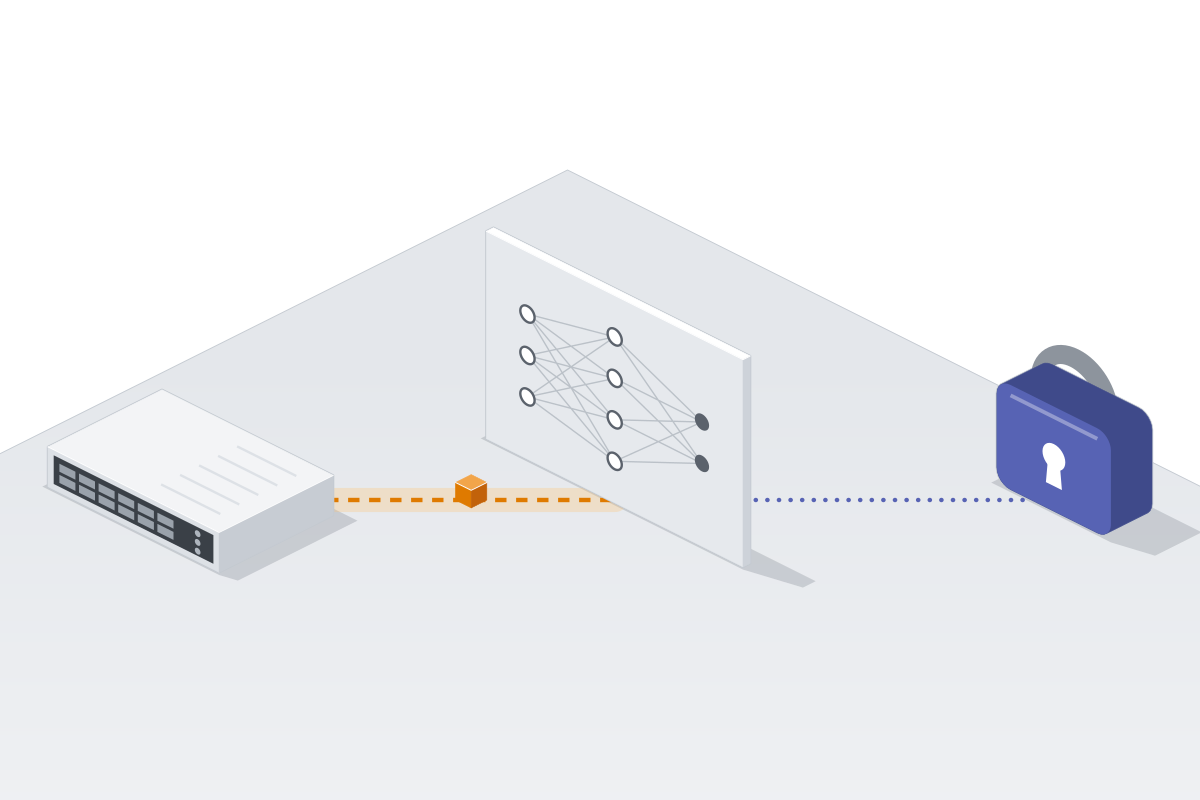
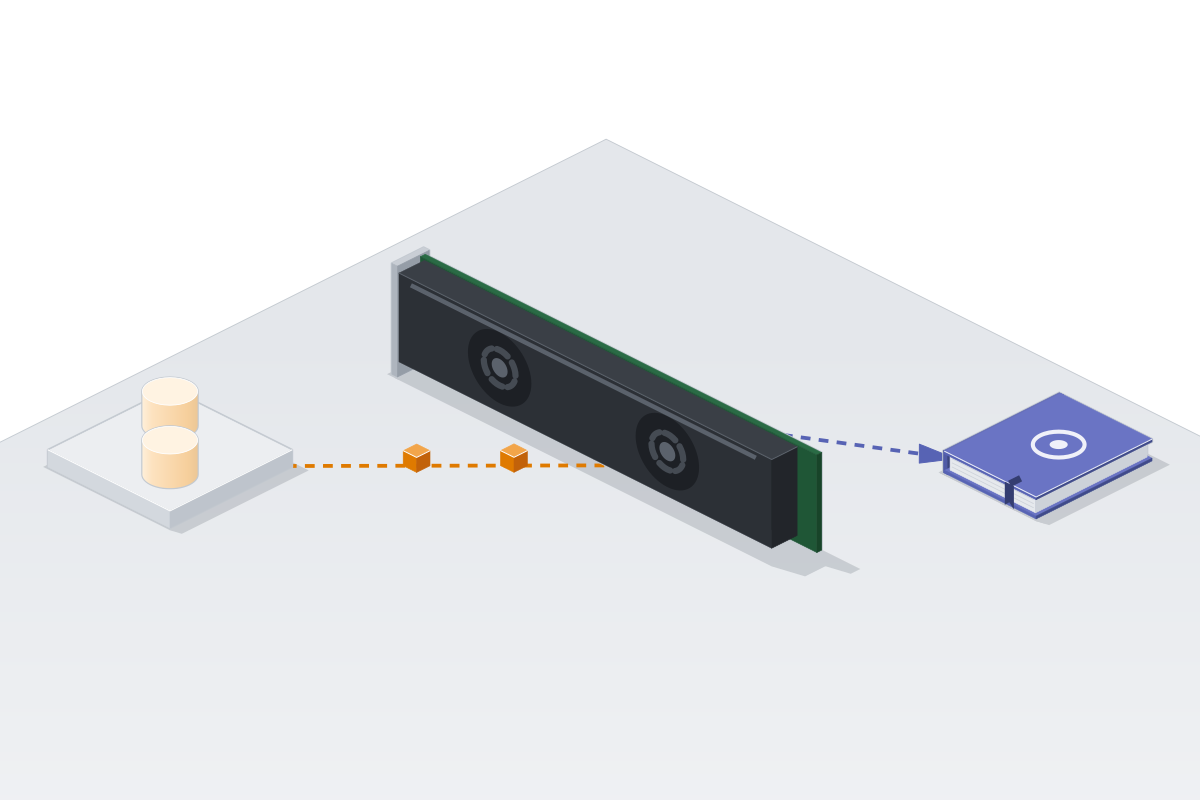
The draft examines a protected model-loading mechanism and a trusted measurement agent that would observe or control loading within a protected trust boundary. It proposes using cryptographically protected evidence to represent the relationship between the measured artifact, the runtime and the execution instance. For individual requests, it describes associating an operation identifier and evidence with the applicable instance. These are candidate approaches and requirements in a draft, not reported deployment results.[1]
The document examines existing Remote ATtestation procedureS (RATS) architecture and information models, including the Entity Attestation Token, for representing this evidence. It does not define a new attestation protocol or a universal inference receipt format. It is an individual contribution, has no IETF endorsement or formal standing in the standards process, and does not represent RATS Working Group consensus.[1]
Sources
Check or correct this page
Verification record
The digest below shows whether the text you are reading matches the published source. It does not show that the reporting is correct. The build computes it from this page's Markdown source and lists it in the site manifest.
077e128695786e05c3f629eac0b2a94144488b8693fa18508a2e7f0c46d5a469