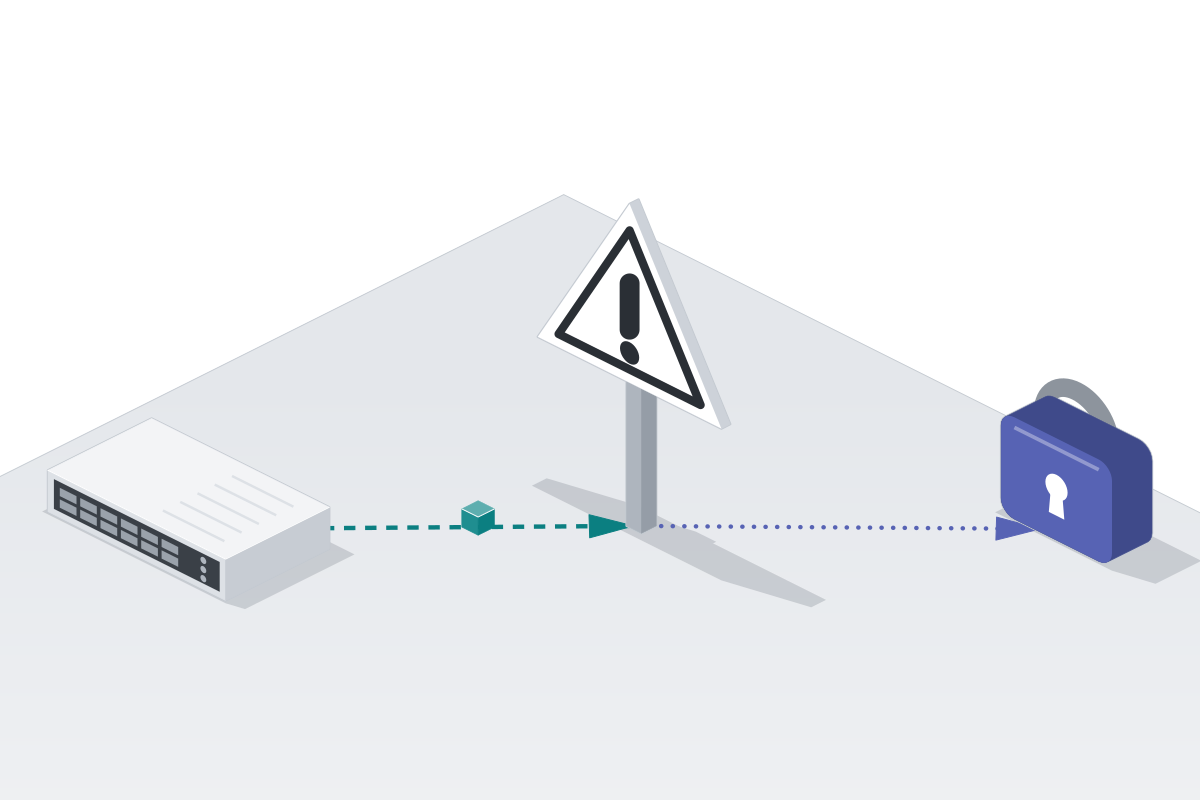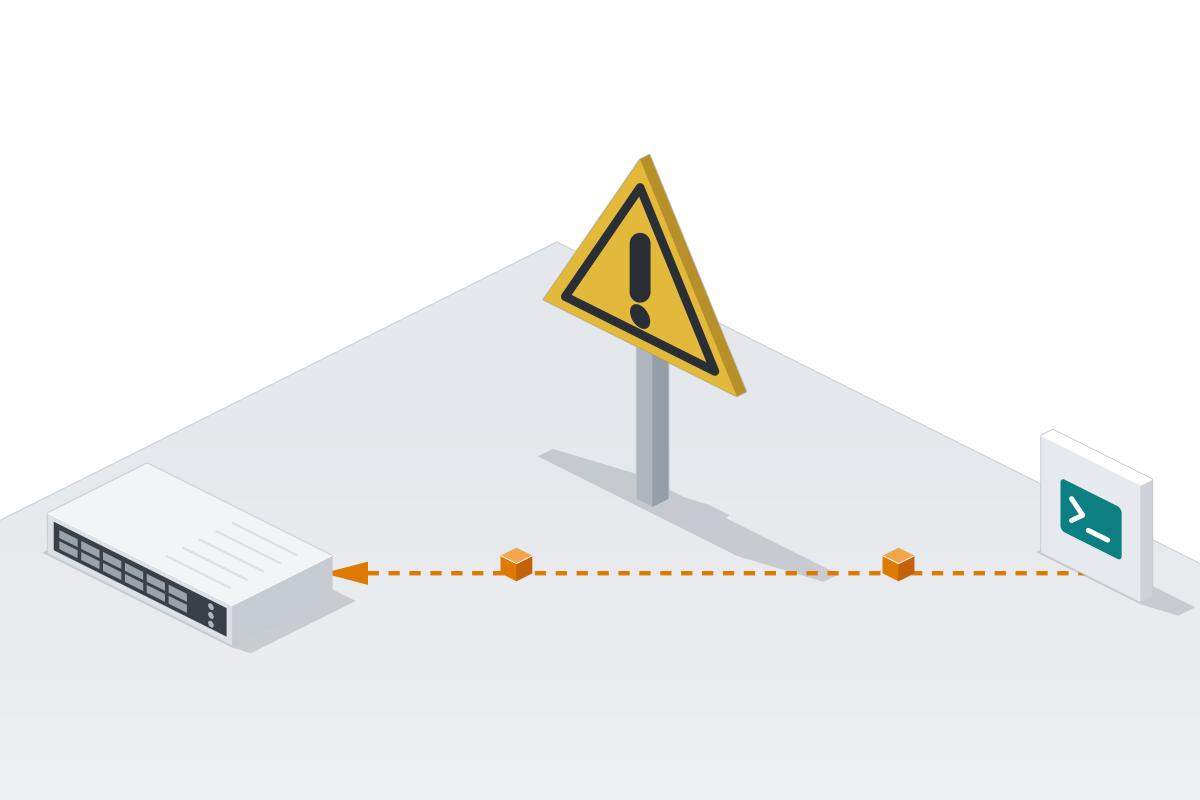
Amazon Threat Intelligence reported on 13 November 2026 that its MadPot decoy sensors had captured requests containing AI agents’ records of cybercrime campaigns. Amazon assessed with moderate confidence that the actors used ARTEX, an open-source agentic penetration-testing framework. The records described credential theft and attempts to bypass cryptocurrency exchanges’ identity checks.[1]
From 3 October to 5 November, MadPot presented interfaces resembling large language model (LLM) inference APIs. Amazon says the requests sent to them included task context, instructions, tool histories and reported findings. Those records described activity on systems MadPot did not monitor: Amazon did not observe that activity as it happened and could not verify its reported outcomes.[1]
In one campaign, the records described agents searching exposed AI applications and gateways for provider keys, validating credentials and putting stolen keys into a model gateway to power further searches. Amazon lists attack paths including default credentials, unauthenticated interfaces, exposed secrets and unpatched software. It says it assessed activity referencing potentially affected AWS customers and notified them as appropriate; it could not confirm activity against other organizations.[1]
A separate campaign sought to bypass identity checks with forged documents and real-time deepfake video. The agents’ records described attempts against a liveness check, but the vendor’s server-side verdict rejected the deepfake in every recorded attempt, according to Amazon. The post also publishes indicators of compromise for organizations to review.[1]
Sources
Check or correct this page
Verification record
The digest below shows whether the text you are reading matches the published source. It does not show that the reporting is correct. The build computes it from this page's Markdown source and lists it in the site manifest.
edc0bf2fd641123bfec8a360532b7cd631449334b2770ec15a0a3216d868b91b