Gejian Zhao, Hanzhou Wu and Xinpeng Zhang submitted AgentTrace to arXiv on 23 October 2026, proposing a way to identify the foundation model behind a black-box large language model (LLM) agent through observable execution traces. The authors report 96.0% attribution accuracy under adversarial identity spoofing in the saved abstract.[1]
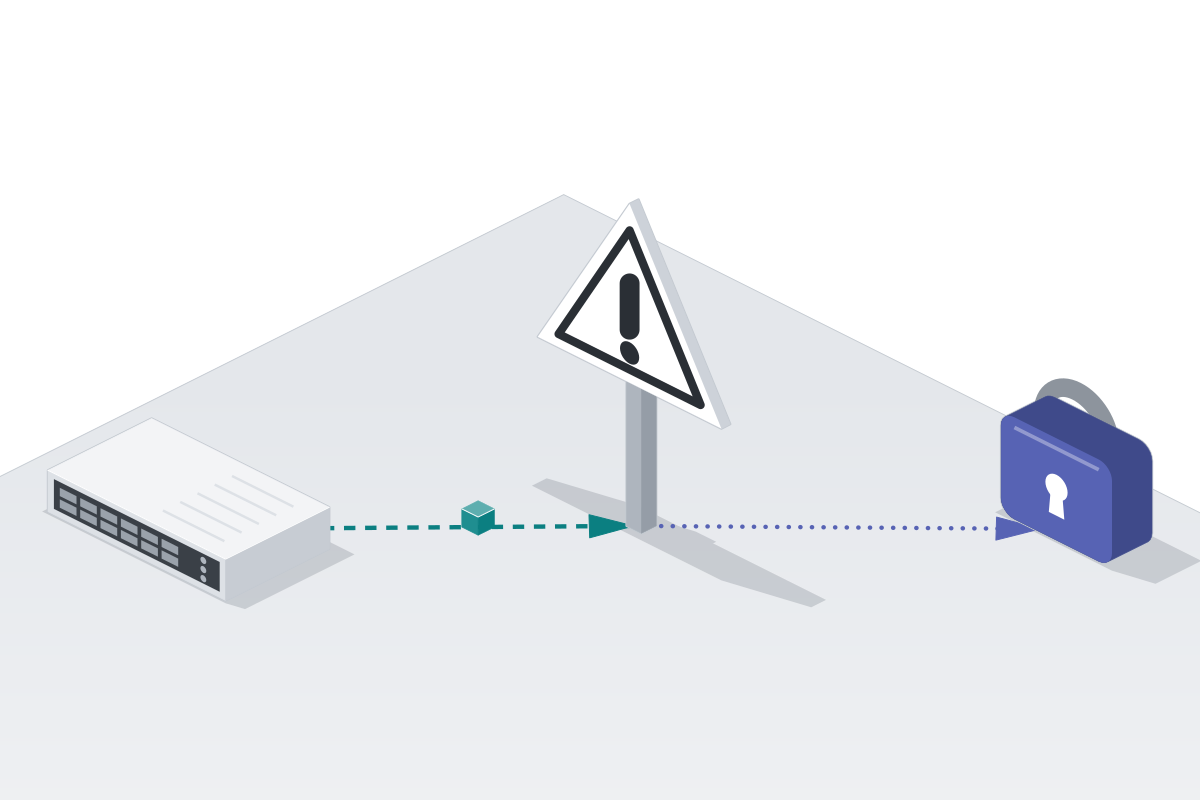
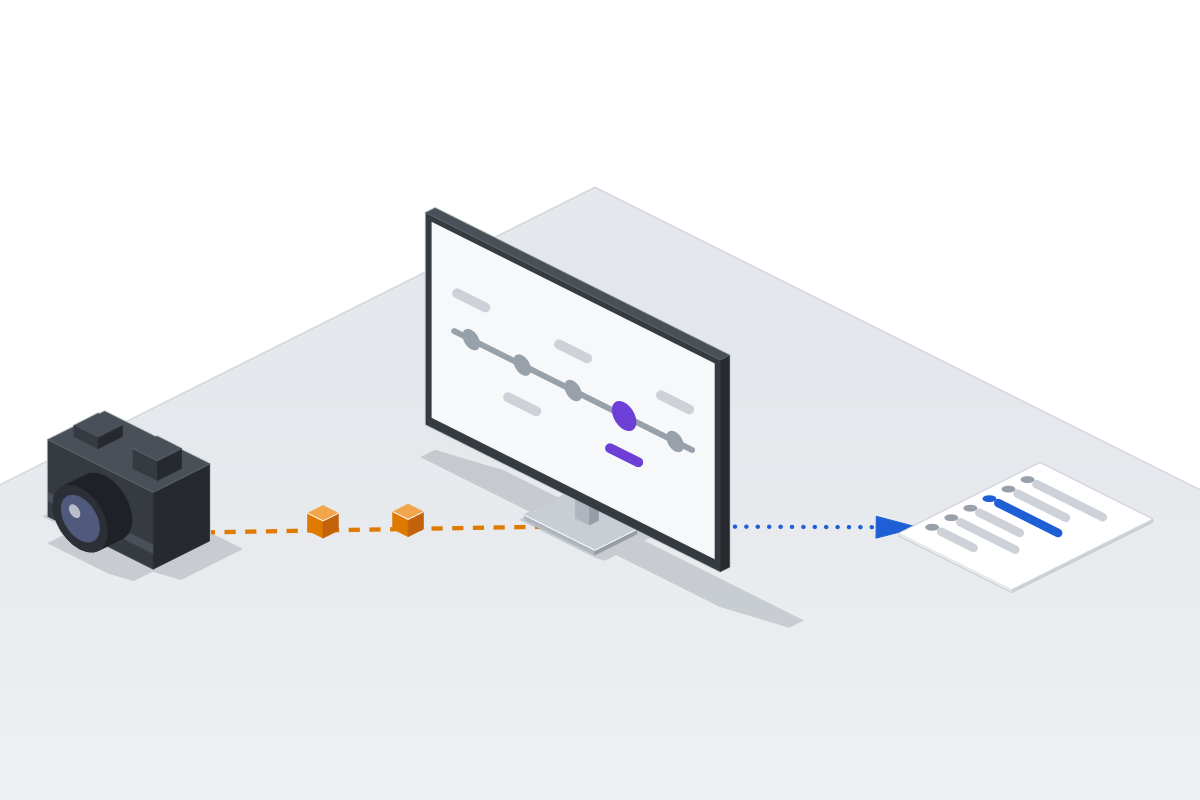
AgentTrace introduces structurally ambiguous probes intended to trigger serialization failures sensitive to tokenization at rigid tool interfaces. Serialization converts data into the format a tool expects. According to the authors, initial failures provide coarse separation between model families; the sequence of subsequent repair operations reveals more specific recovery behavior. Lightweight Markov chains model these sequences across multiple steps.[1]
The abstract says the method distinguishes evaluated variants sharing identical tokenizers, including Llama-3 8B and 70B. It also claims better performance than unordered behavioral statistics and robustness against prompt obfuscation and temperature scaling. These are author-reported evaluation claims. The saved abstract does not specify the full evaluation population, trial counts or uncertainty around the reported accuracy.[1]
[1]: AgentTrace: Execution-Level Fingerprinting of Black-Box LLM Agents. arXiv, 23 October 2026. https://arxiv.org/abs/2610.32092
Sources
Check or correct this page
Verification record
The digest below shows whether the text you are reading matches the published source. It does not show that the reporting is correct. The build computes it from this page's Markdown source and lists it in the site manifest.
77c7a3a4870c8e443a9fd713c585f97f556db00bf9ca2eb72a9a9f45bcfe9916