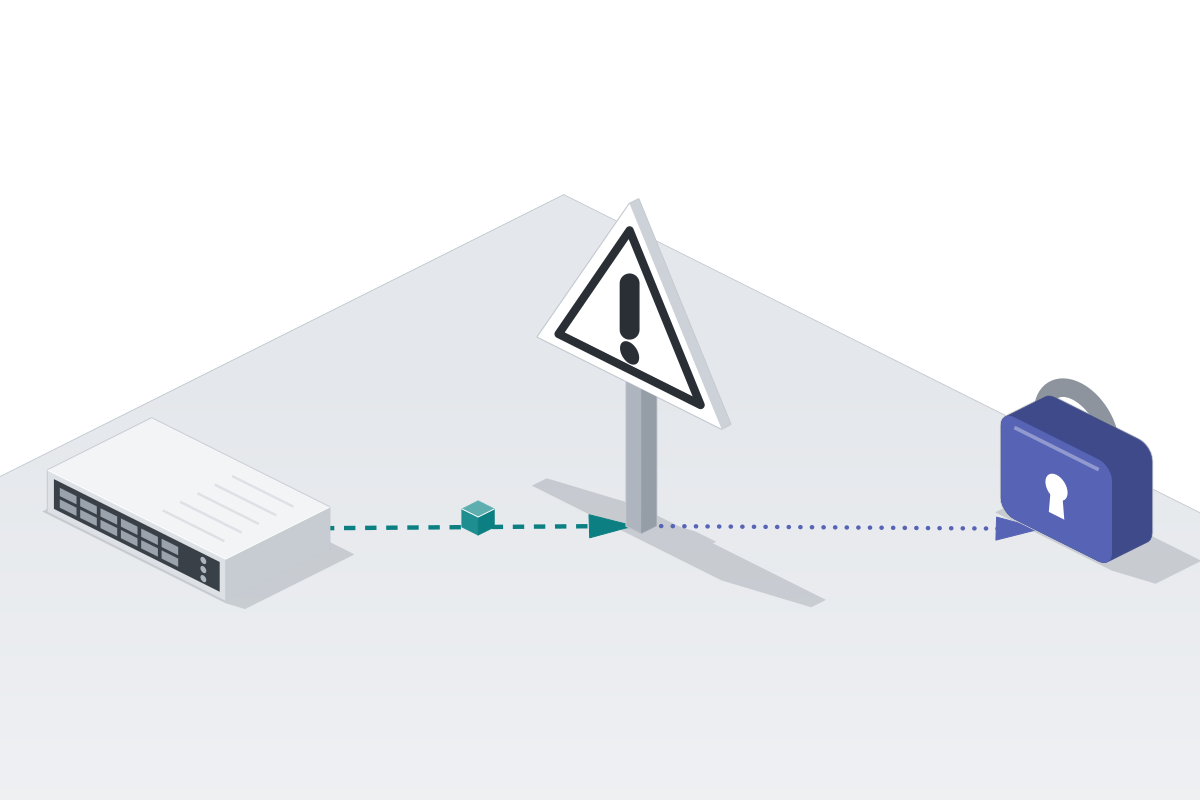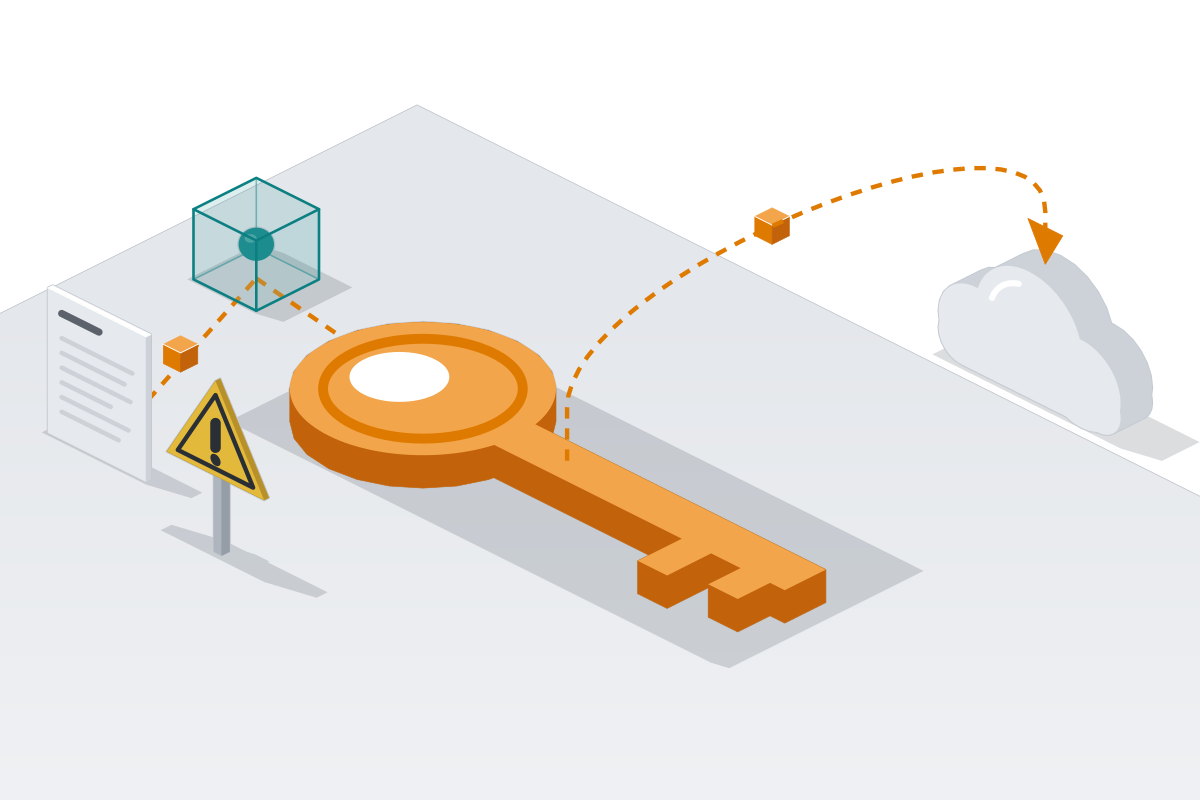
Cymulate published a research summary on 3 November 2026 describing two agent attack chains that it says reached privileged Azure and Google Cloud Platform (GCP) identities. Written by Ben Zamir, the post summarizes a SecTor 2026 presentation. Its scenarios assume shared Windows hosts, multiple users and agents connected to corporate accounts; they are reported demonstrations, not evidence of compromises at customer organizations.[1]
In the first chain, Cymulate says a malicious web page induced AWS Kiro to write execution configuration, gaining execution as one user. A permissive Codex CLI named pipe and configuration weaknesses then enabled a pivot to another user's OpenAI token. The researchers describe using that identity to alter a shared Codex cloud environment, whose setup script subsequently collected QA workflow secrets, including credentials for an Azure app registration with broad permissions.[1]
The second chain reportedly began with a poisoned README that caused Cursor CLI to write a project-local executable. Executable search order and machine-wide configuration enabled execution across users; a modified repository then supplied a binary that Gemini CLI launched before its sandbox started. The post also describes exposure of Google OAuth credentials. Cymulate says AWS fixed the Kiro issue, CVE-2026-10591, while Cursor's initial execution issue remained unresolved at writing. These are the author's status statements; the saved text supplies no fixed release numbers.[1]
[1]: Cymulate, “Across the Kill Chain: How Agents Became the Enterprise's New Front Door,” 3 November 2026. https://cymulate.com/blog/ai-agent-security-kill-chains/
Sources
Check or correct this page
Verification record
The digest below shows whether the text you are reading matches the published source. It does not show that the reporting is correct. The build computes it from this page's Markdown source and lists it in the site manifest.
f383e004202be20a9c11e28d3b56c32ab109d9120597a926256b80bc4177f9fb