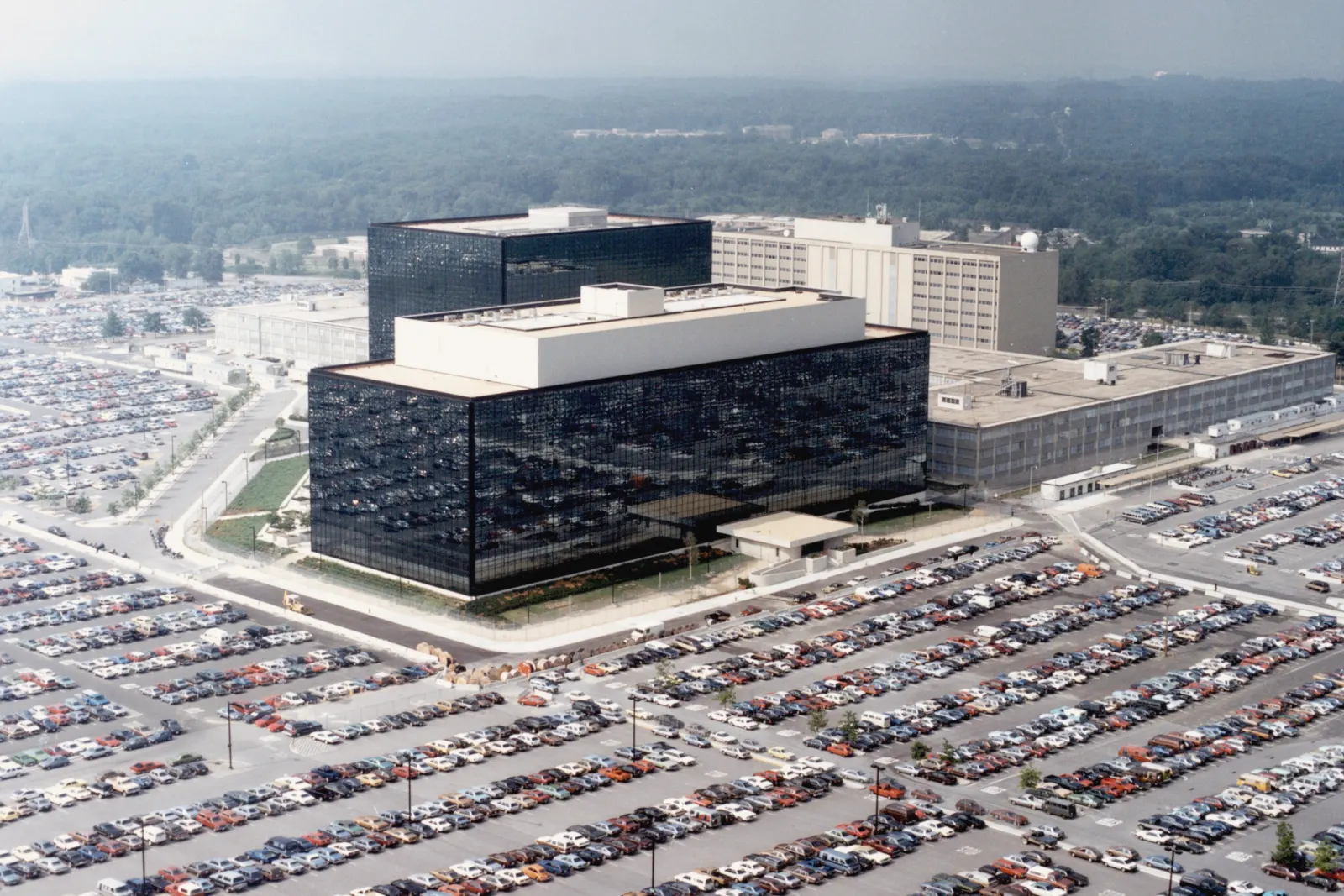
Three U.S. agencies published ten voluntary key practices on 16 October 2026 for managing incidents during the training and evaluation of super intelligence (SI) agents. The publishers are the Center for Advancing Innovation and Standards for Super Intelligence (CAISSI) at the National Institute of Standards and Technology (NIST), the National Security Agency's Super Intelligence Security Center (NSA SISC) and the Cybersecurity and Infrastructure Security Agency (CISA).[1, 2] NIST's CAISSI web page also lists work published by NIST's Center for AI Standards and Innovation (CAISI).[4]
The document defines SI agents as systems that interact with an environment and autonomously execute actions toward a specified goal. It says such a system is typically a generative model with scaffolding software that gives it tools. The document focuses on the SI control incident. In such an incident, agents take significant uninstructed actions that compromise policies, controls or security measures set by the operator to define the task or ensure human oversight. Actions caused by adversarial prompt injection, in which an attacker plants instructions in an agent's input, count as instructed. So do actions caused by a deliberately backdoored model. The practices are grouped into five stages, from preparation to reporting.[2] CISA says the document is aimed especially at pre-deployment agents with reduced safeguards.[3]
Several practices concern evidence for later review. Practice 5.3 calls for tamper-resistant logs with reliable timestamps, detailed enough to reconstruct agent trajectories, tool calls, reasoning traces and security-control decisions. Practice 3.3 says agents should be unable to access or interfere with monitoring processes and logs. Practice 5.1 asks organizations to preserve model weights and environments as needed to investigate an incident.[2]
Under practice 2.4, organizations should partner with independent external auditors and evaluators to verify that control and monitoring systems work as intended. Practice 10.2 calls for giving third parties enough access for independent analysis.[2] Practice 2.5 suggests publishing evaluation and agent identifiers to help defenders understand unexpected traffic. But the authors note that publishing Internet Protocol (IP) address ranges could expose deployers to attack.[2]
Sources
- Key Practices for Incident Readiness and Response in Super Intelligence Training and Evaluation
- Key Practices for Incident Readiness and Response in Super Intelligence Training and Evaluation (PP-26-4396, version 1.0)
- Key Practices for Incident Readiness and Response in Super Intelligence Training and Evaluation
- Center for Advancing Innovation and Standards for Super Intelligence (CAISSI)
Check or correct this page
Verification record
The digest below shows whether the text you are reading matches the published source. It does not show that the reporting is correct. The build computes it from this page's Markdown source and lists it in the site manifest.
f1c02f7019f6604bcac32d0ffbf06b9711008a40e72f93cb4d0d9cdfdd21d740