Guofu Liao and five co-authors submitted VRMaaS: Verifiable Reward-Model-as-a-Service for Trustworthy LLM Alignment to arXiv on 11 November 2026. The paper proposes making each returned reward score a proof-carrying artifact, addressing whether a mathematically checked computation belongs to the intended service request.[1]
The authors say an inference proof alone does not establish the intended request, model checkpoint, numerical configuration and verifier. In their controlled comparison, a generic inference proof wrapped for on-chain checking remained valid after six classes of service-field substitution. This is a reported experimental result, with details beyond the abstract unavailable in the saved source.[1]
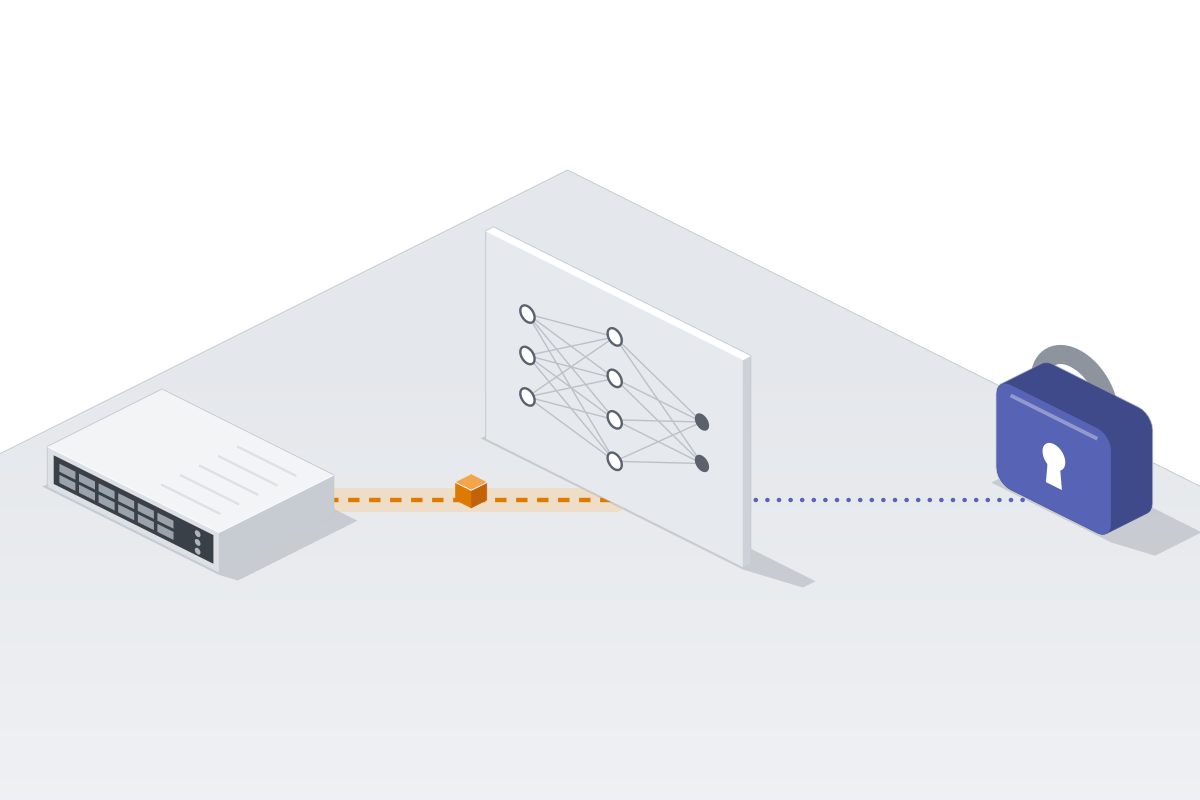
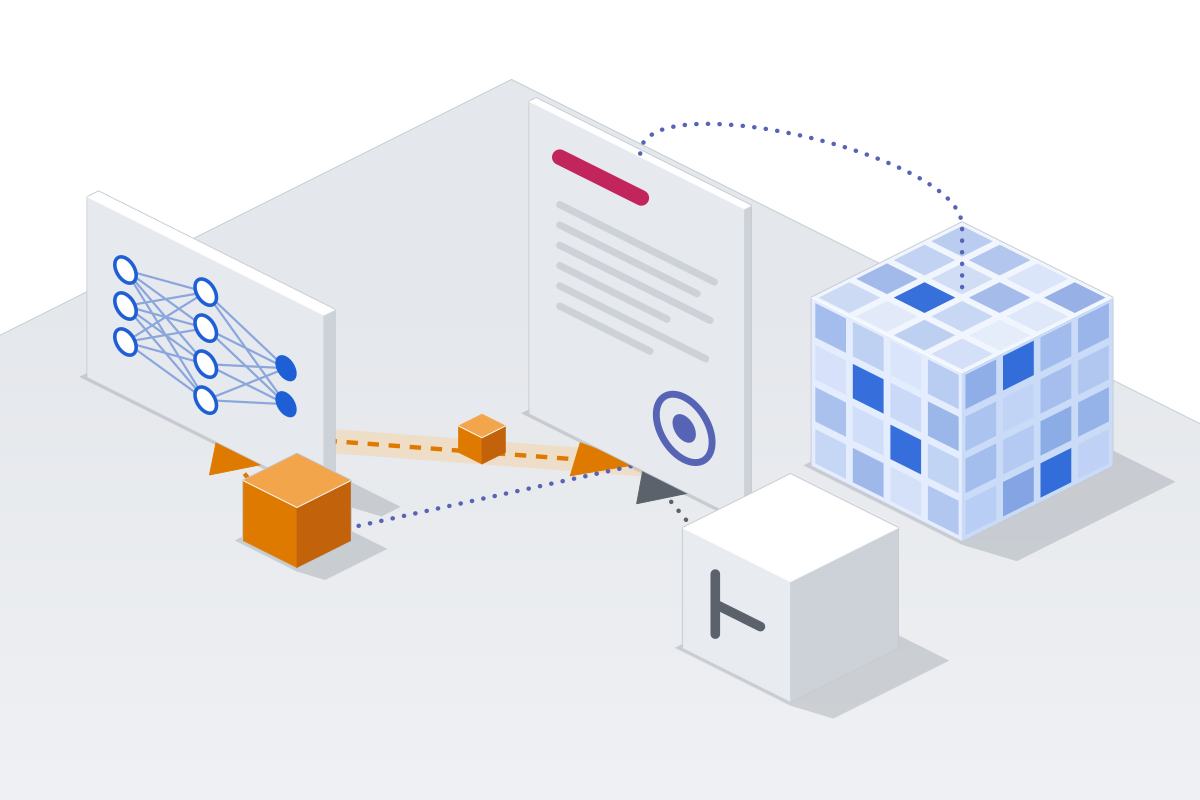
VRMaaS’s off-chain acceptance rule binds request identity, committed weights, verifier and configuration identifiers, proof-task order, and the exported package’s digest. The framework combines arithmetic and lookup-backed proof tasks and links hidden operands to committed weights. According to the abstract, auditors can check retained rewards without rerunning the private reward model or exposing inputs, checkpoints or hidden activations. An optional on-chain zero-knowledge wrapper supplies only partial attestation of selected consistency checks and supplied service fields.[1]
For a GPU prototype using 1B, 3B and 8B reward models over 128–1024 tokens, the authors report 93.5–99% pairwise agreement with the baseline and rejection of every tested substitution in complete artifacts. Reported artifact generation takes 49.8–206.1 seconds; verification takes 1.94–5.11 seconds. The authors position these costs for delayed audit, settlement and governance.[1]
[1]: VRMaaS: Verifiable Reward-Model-as-a-Service for Trustworthy LLM Alignment, arXiv, 11 November 2026.
Sources
Check or correct this page
Verification record
The digest below shows whether the text you are reading matches the published source. It does not show that the reporting is correct. The build computes it from this page's Markdown source and lists it in the site manifest.
c8855454b174fa2cd59fef87e677e2a6b332baf08aa5a111aa6940ef23323913