On 17 November 2026, Karmendra Pandey published an individual Internet-Draft proposing session-scoped authorization for AI agents. The profile builds on the Workload Identity in Multi System Environments (WIMSE) architecture and the OAuth 2.0 family. It is work in progress: the IETF Datatracker says the draft is not endorsed by the IETF, and the document says no working group has adopted it.[1]
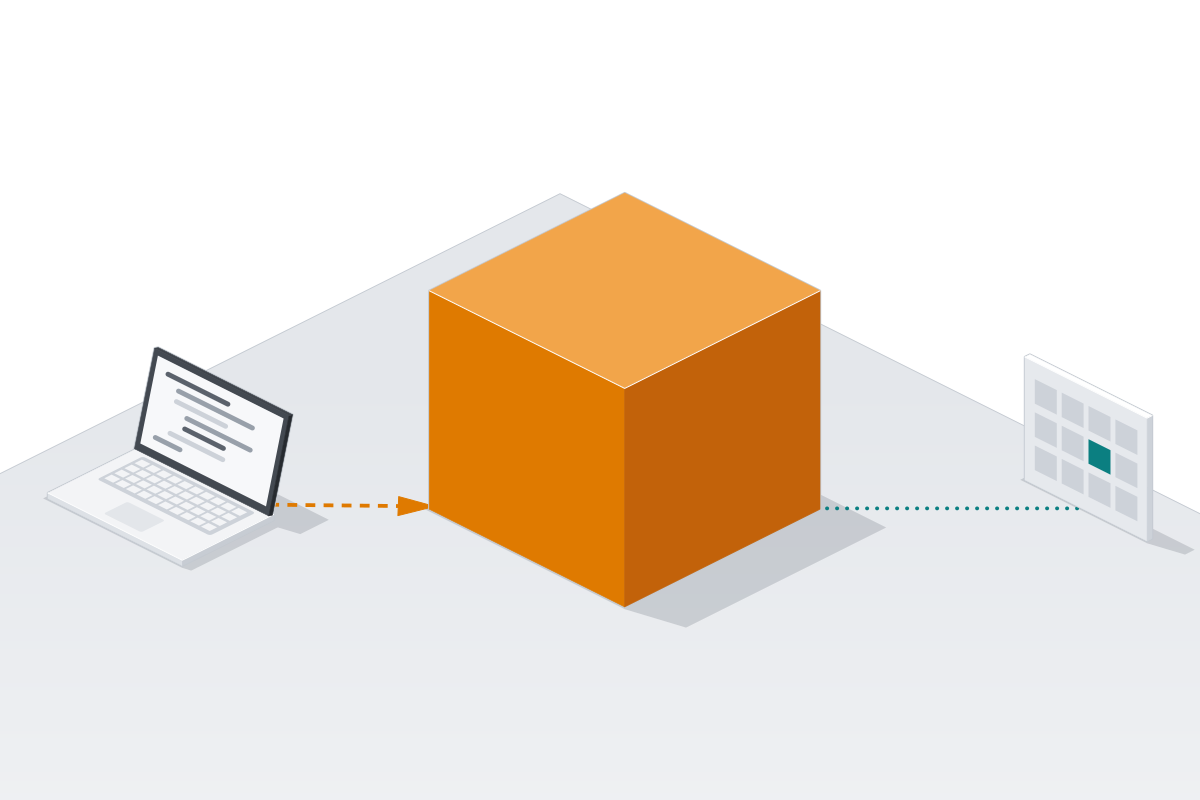
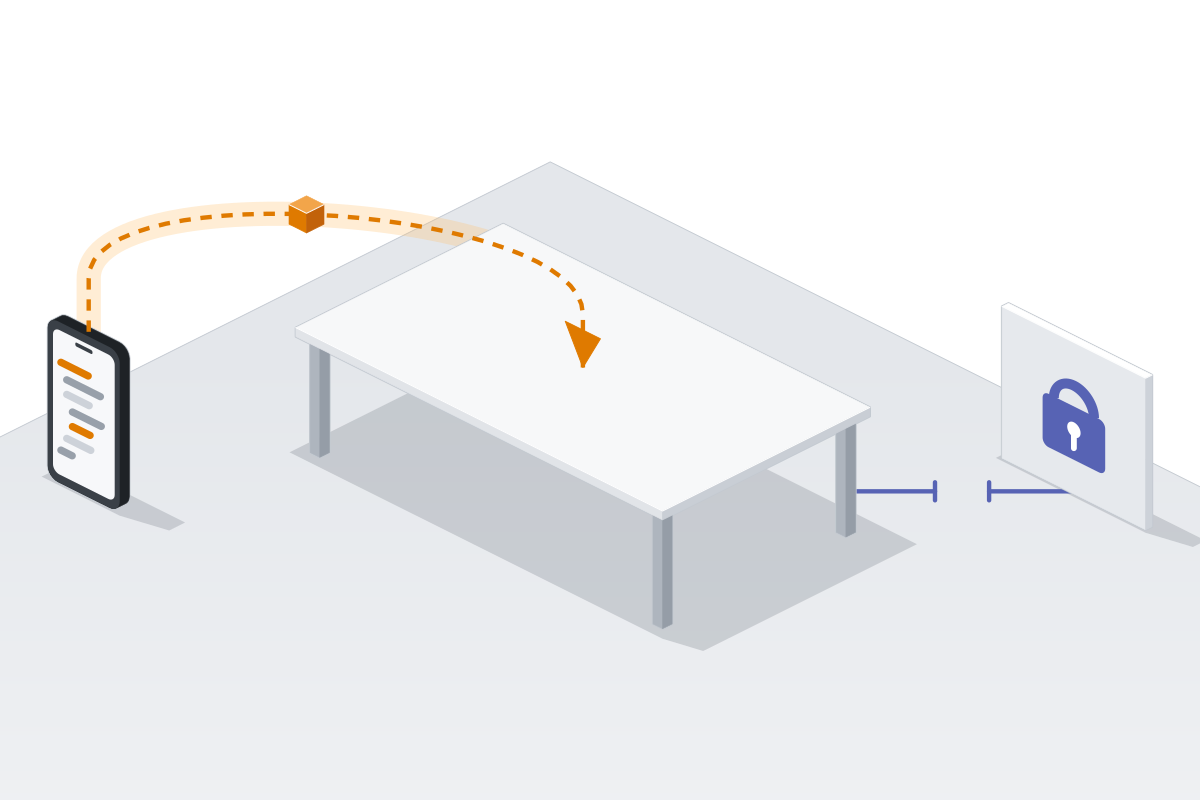
The proposal assigns each agent its own identity and binds each session to an authenticated sponsor through a delegation chain. For every tool call, it specifies an authorization decision based on the intersection of the agent’s permissions, the sponsor’s permissions and the session scope. The draft calls for denial when a call cannot be evaluated and sponsor approval for defined classes of irreversible actions.[1]
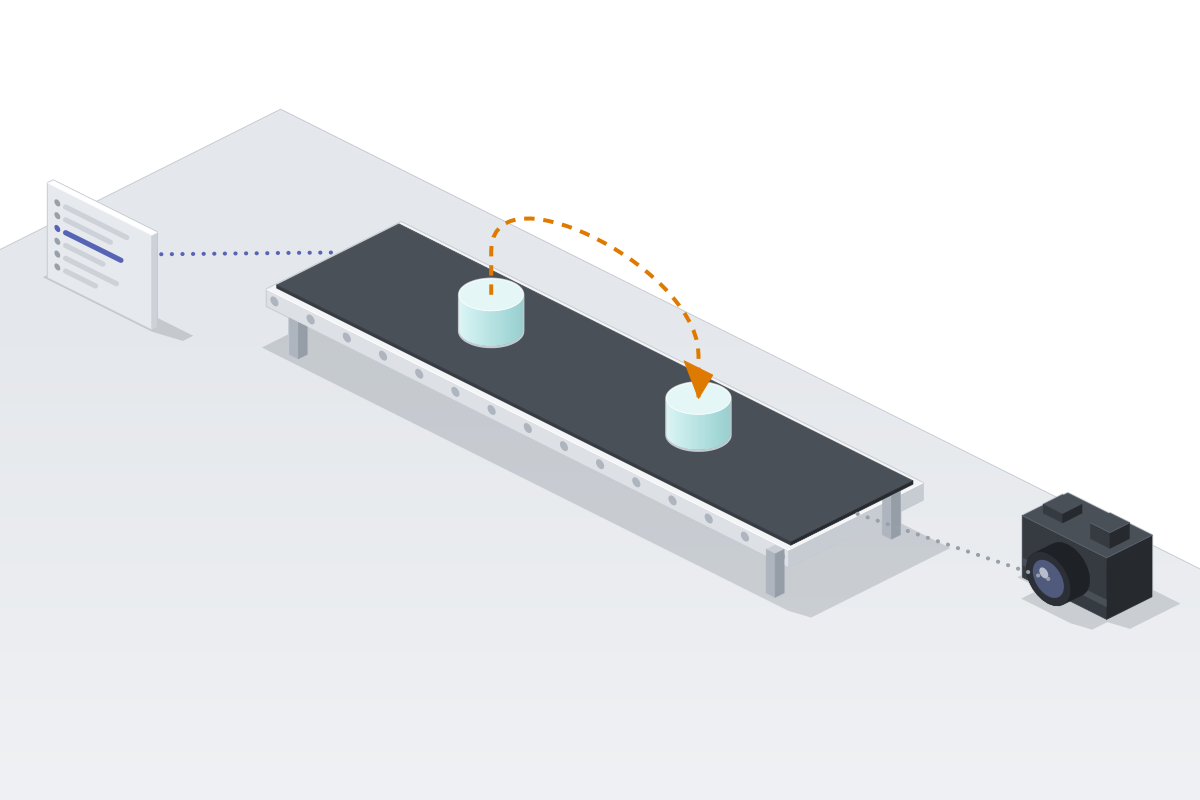
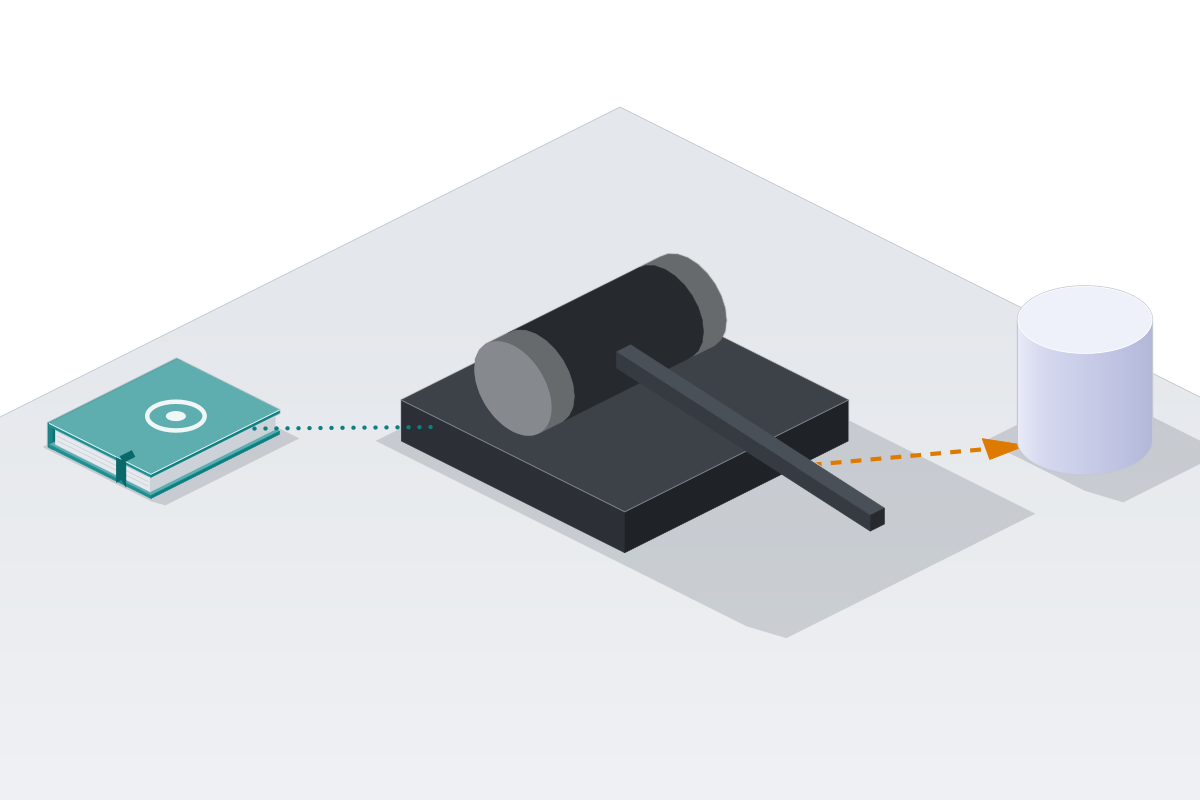
A policy enforcement point would sit on the path to each tool, apply the decision and issue an audit receipt. The draft calls for a tamper-evident receipt store outside the agent’s write permissions; it also says a deployment that lets an agent bypass the enforcement point does not implement the profile. These are proposed requirements, not findings about a deployed system. The profile defines no new wire protocol, token format or policy language.[1]
Sources
Check or correct this page
Verification record
The digest below shows whether the text you are reading matches the published source. It does not show that the reporting is correct. The build computes it from this page's Markdown source and lists it in the site manifest.
78823c47c12736c44ae7099b5ec9133efca001ed5a3a2a933f102b2f2d1d3d56