Ramesh Raskar published an individual Internet-Draft on 2 November 2026 proposing a Supply Chain Integrity, Transparency, and Trust (SCITT) profile for portable AI agent packages. “SCITT Profile for Portable AI Agent Package Provenance,” version draft-raskar-scitt-agent-provenance-00, describes how to connect package lifecycle claims to immutable content. It is work in progress, without IETF endorsement or formal standing in the standards process.[1]
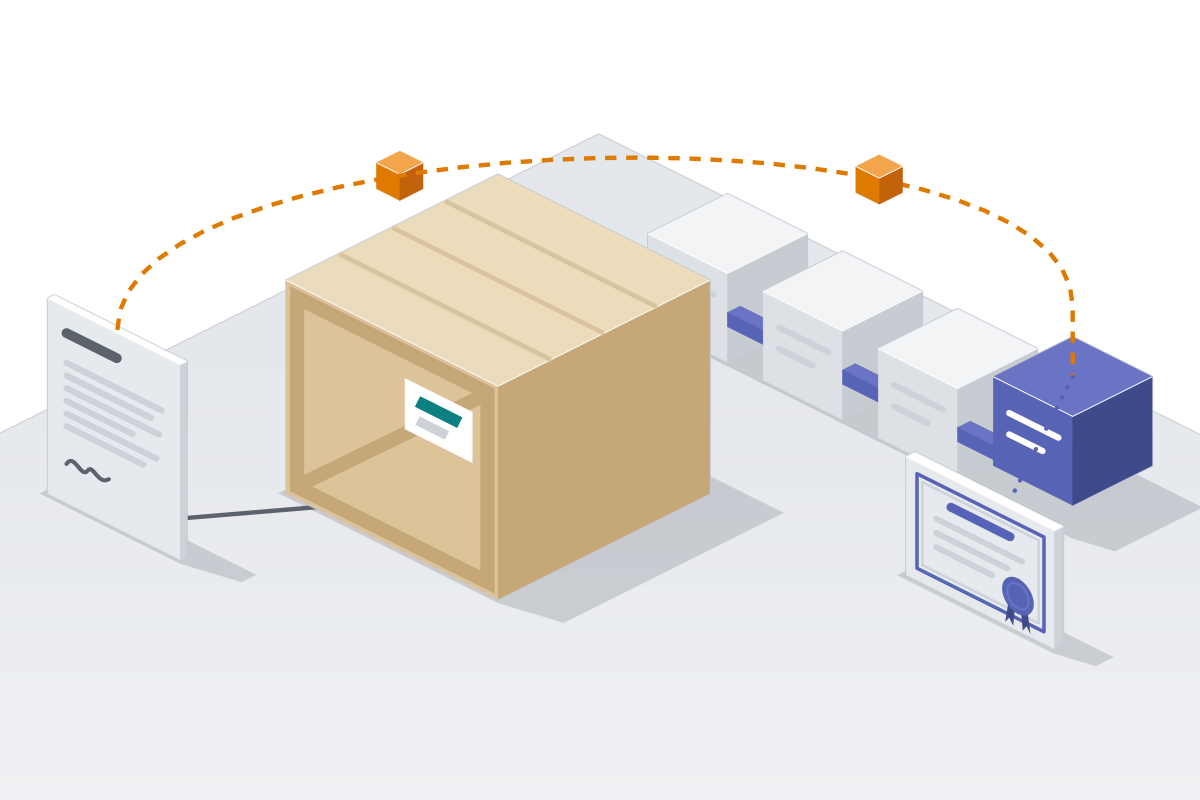
The proposal uses a cryptographic package digest as the binding point for statements about authorship, builds, transformations, assessments, publication, approval and withdrawal. A mutable package name or URL alone is insufficient. When repackaging changes the digest, transformation statements can connect the input and output artifacts; an approval tied to the earlier digest does not bind changed content.[1]
A SCITT receipt supplies verifiable evidence that a statement was registered in a transparency service’s verifiable data structure. The draft explicitly separates registration from truth: issuers can make false claims, and distributors can omit unfavorable assessments or withdrawal statements. It defines neither a package format nor per-action execution receipts, and successful provenance verification grants no runtime permissions.[1]
[1]: SCITT Profile for Portable AI Agent Package Provenance. IETF Datatracker, published 2 November 2026. https://datatracker.ietf.org/doc/html/draft-raskar-scitt-agent-provenance-00
Sources
Check or correct this page
Verification record
The digest below shows whether the text you are reading matches the published source. It does not show that the reporting is correct. The build computes it from this page's Markdown source and lists it in the site manifest.
a95934431558d2cf65857da41675925d9a321775dd90dbb33b453a323984c832