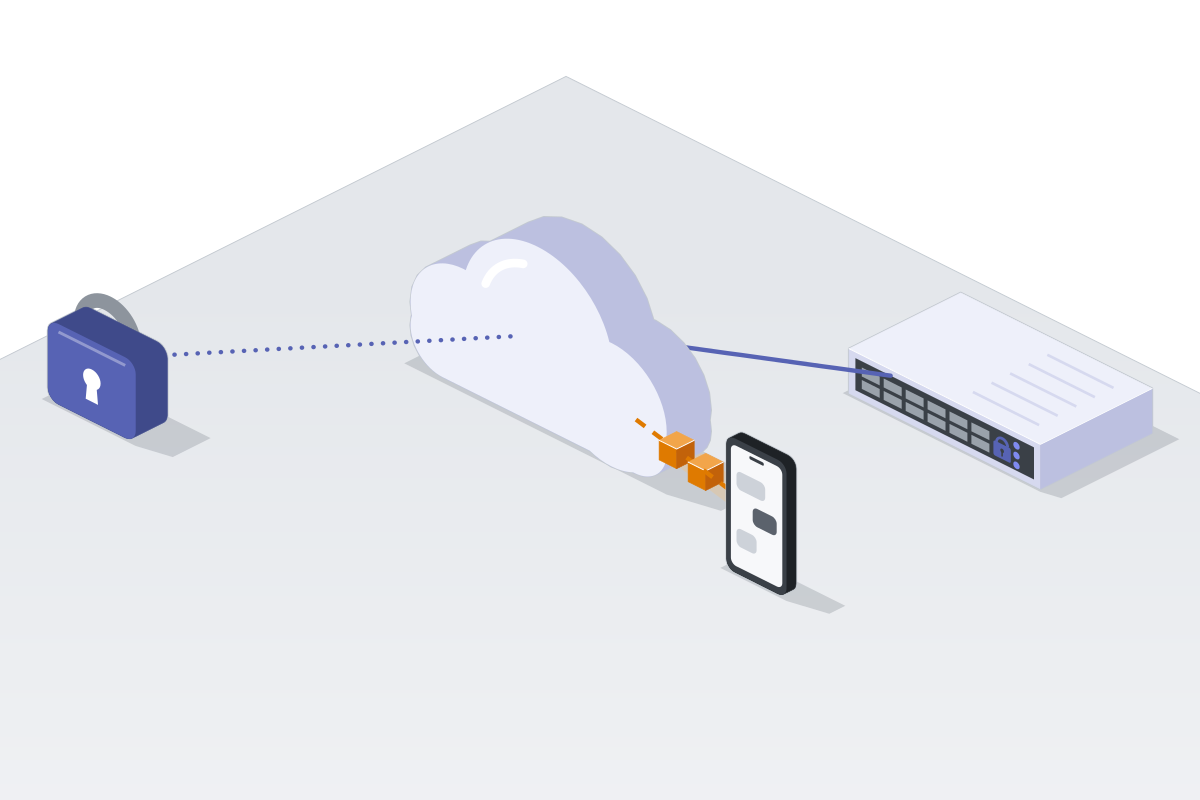
An RFC opened in KServe’s repository on 9 November 2026 proposes end-to-end attested Transport Layer Security (TLS) for confidential inference. Its author describes a gap between protecting model weights inside a trusted execution environment (TEE) and protecting prompts and completions along the serving path. The saved issue documents a proposal and discussion, not a released fix.[1]
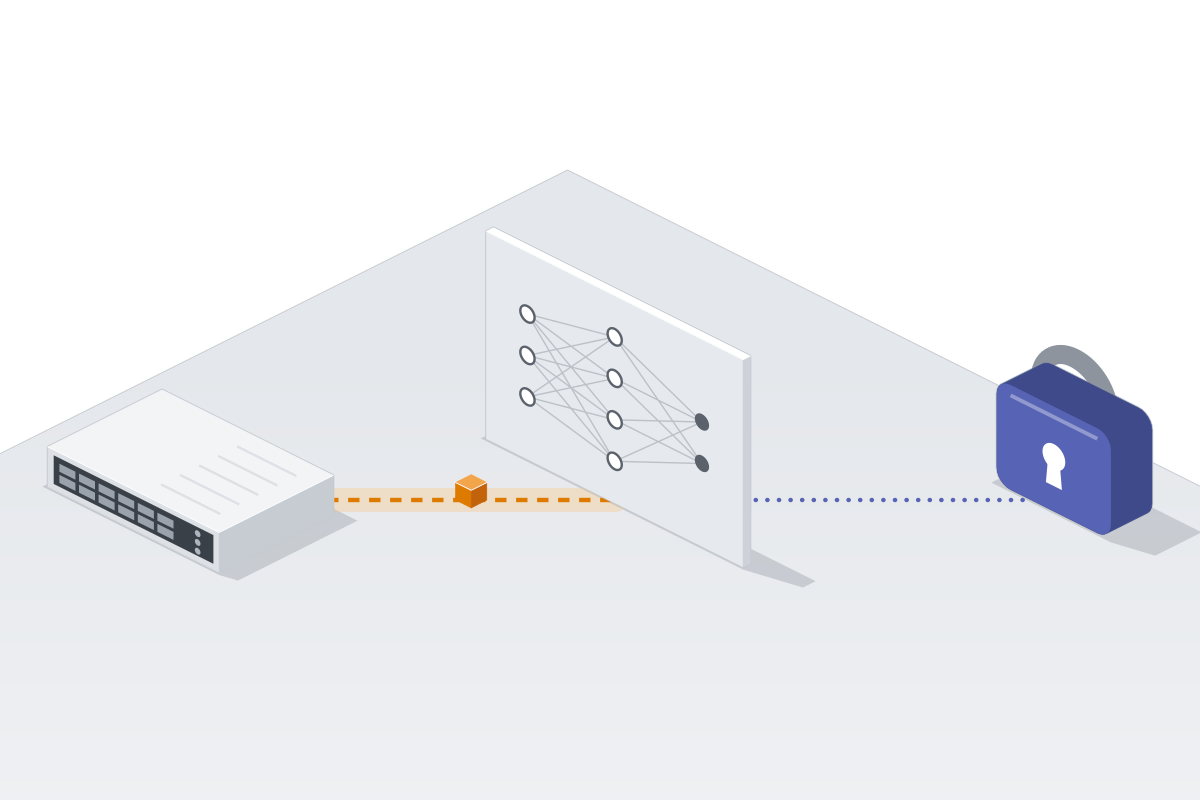
According to the RFC, enabling enableLLMInferenceServiceTLS creates a self-signed certificate and stores its private key in a Kubernetes Secret persisted in etcd. That puts the key within reach of parties with relevant Secret, etcd or backup access. The described gateway also terminates client TLS, exposing plaintext before re-encrypting traffic to the workload. These paths conflict with the RFC’s stated threat model, which treats the service provider as untrusted.[1]
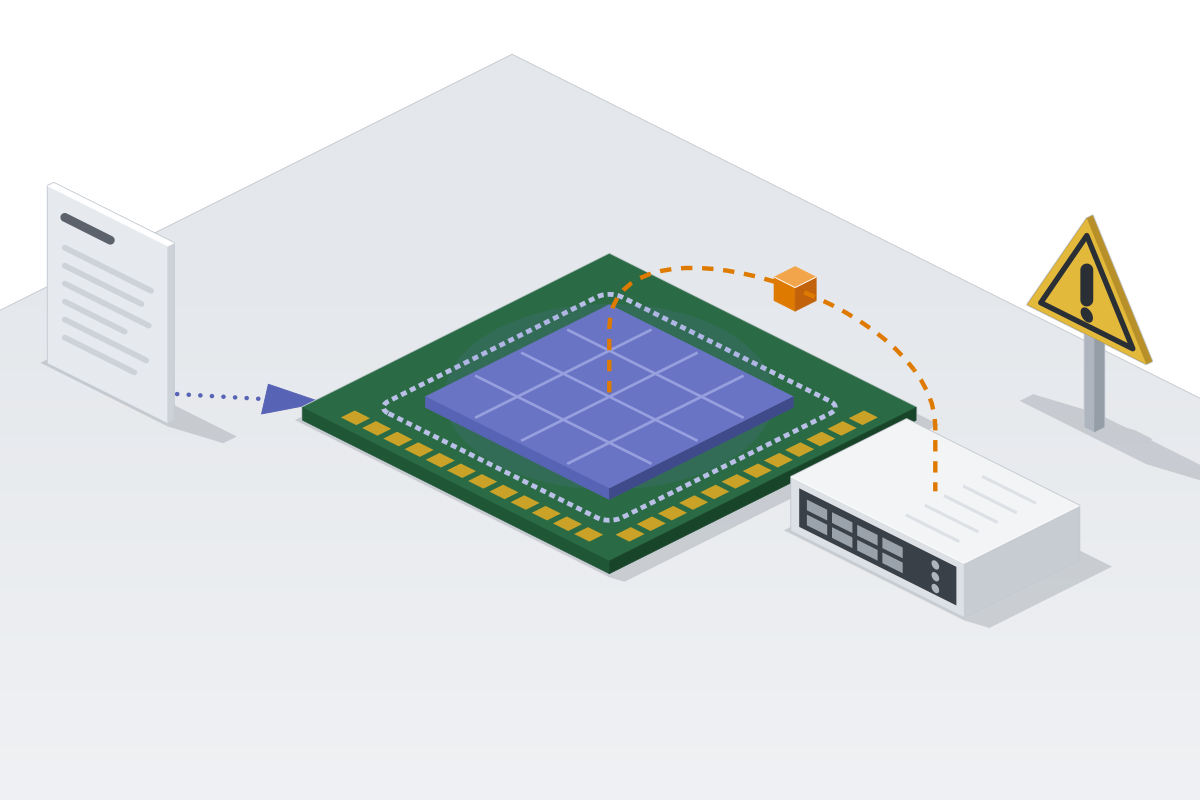
The proposed optional tls configuration would fetch certificates and keys from the Key Broker Service (KBS) through CDH into an in-memory volume, skip certificate Secret creation and terminate TLS inside the TEE. For an eligible route without a scheduler, it would use TLSRoute passthrough. The RFC says this conflicts with the current EPP scheduling path; a separate gateway-and-EPP TEE remains under discussion, with configuration attestation unresolved.[1]
[1]: KServe repository, “RFC: End-to-end attested TLS for confidential inference,” issue #6577, opened 9 November 2026. https://github.com/kserve/kserve/issues/6577
Sources
Check or correct this page
Verification record
The digest below shows whether the text you are reading matches the published source. It does not show that the reporting is correct. The build computes it from this page's Markdown source and lists it in the site manifest.
28dcc1ab912fd1262e2fa8b512bccedd9b9095f810eeb5cff2fffd06aeeaa05f