Google announced TPU 8tx and TPU 8i Max on 9 November 2026, expanding its eighth-generation tensor processing unit (TPU) portfolio to four systems. The company positions 8tx for confidential inference and smaller training workloads, and 8i Max for large context windows and greater compute density. It describes these as new system configurations built around existing chips.[1]
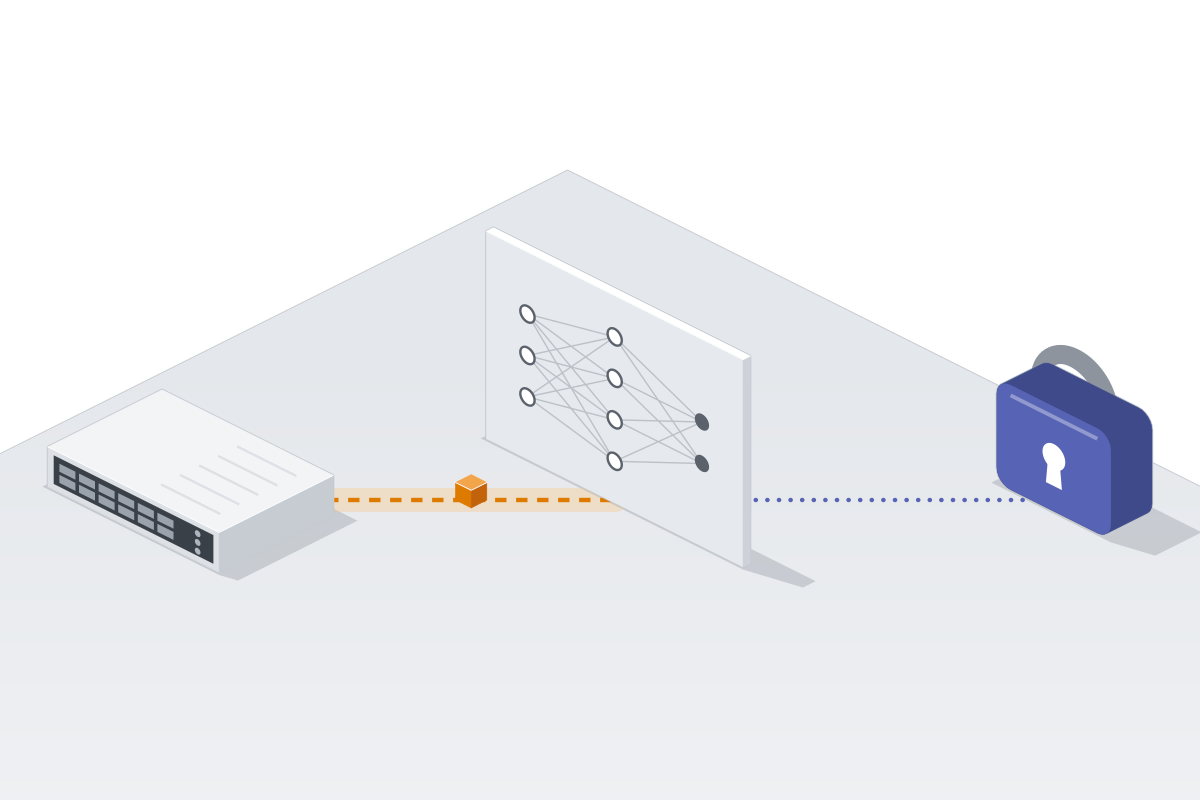
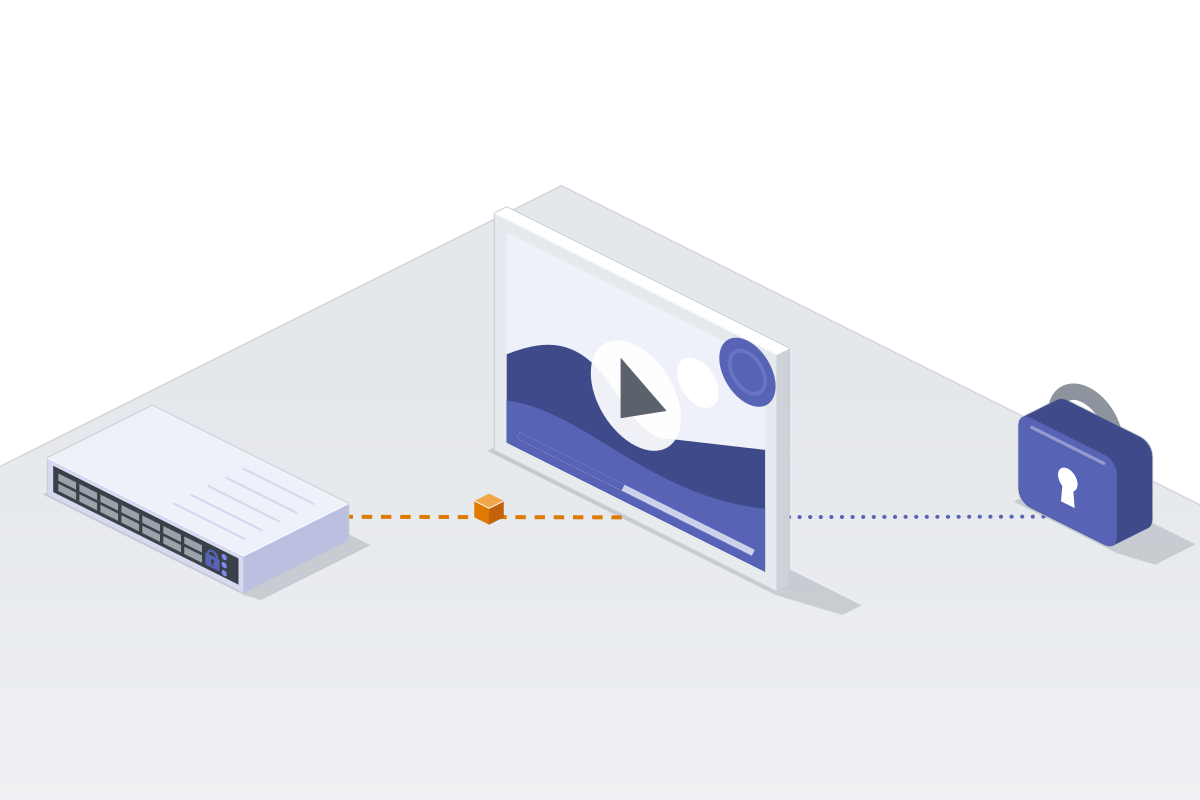
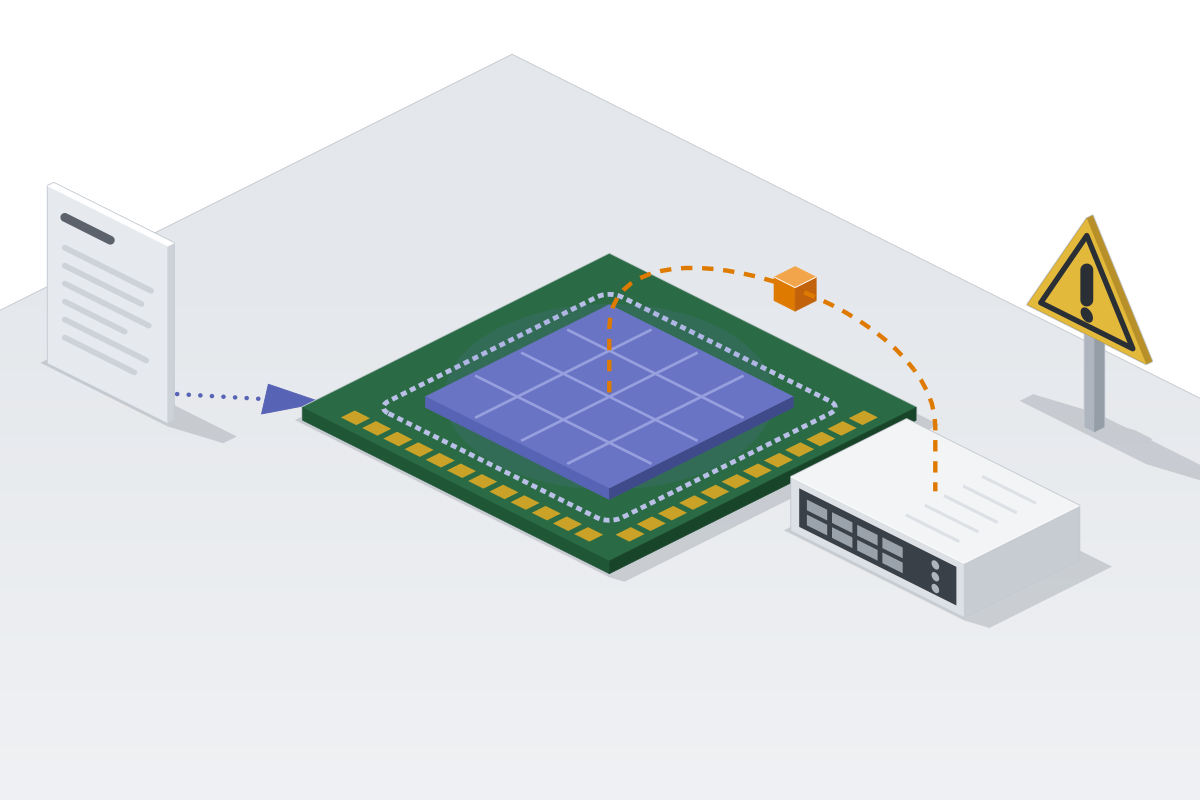
TPU 8tx uses the same silicon as TPU 8t, paired with fifth-generation AMD EPYC CPU hosts. Google says the system protects and isolates sensitive data and model weights while they are in use. It also adopts the Boardfly network, which Google credits with up to twofold lower latency than TPU 8t and a near-zero performance penalty. The announcement says organizations can perform inference, private fine-tuning, distillation and reinforcement learning on one system without moving sensitive data between separate clusters.[1]
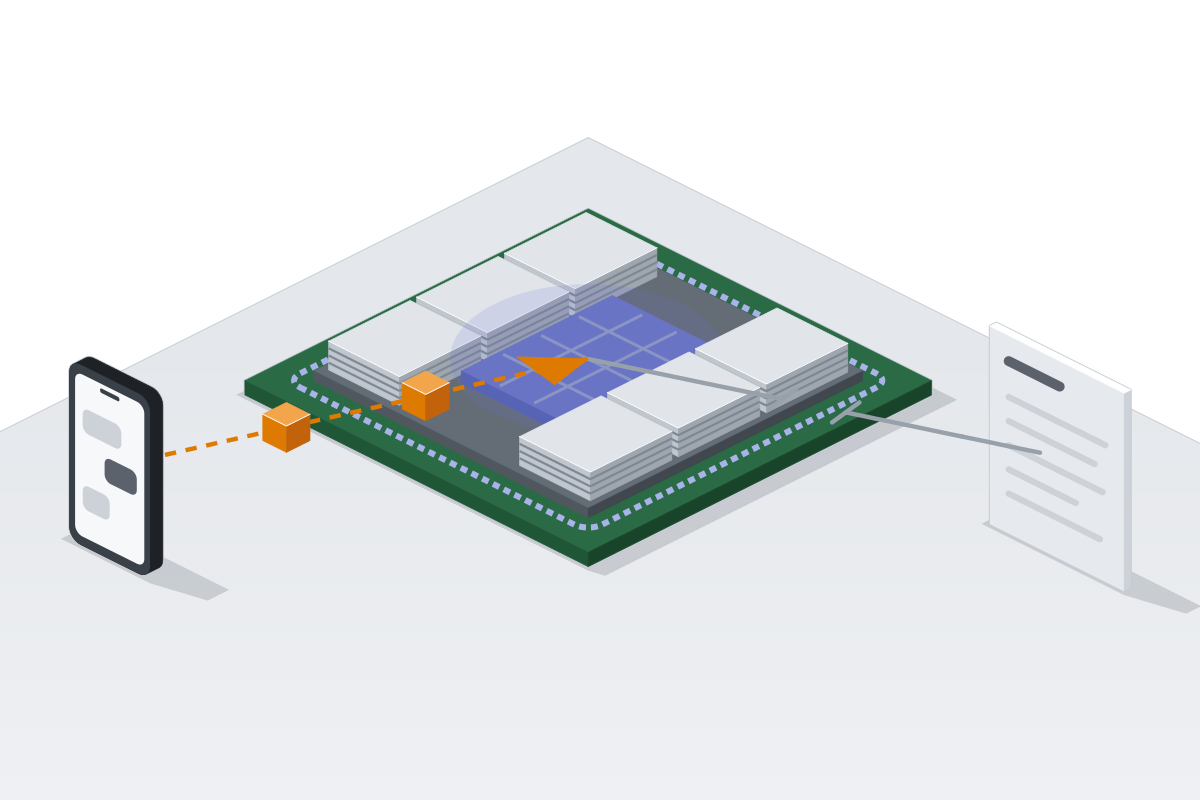
TPU 8i Max combines two TPU 8i chips in one package. Google reports twice the compute, static random-access memory (SRAM) and high-bandwidth memory (HBM) bandwidth of TPU 8i, with twice the silicon in the existing rack footprint. These are vendor specifications and performance claims; reading the announcement does not independently validate them.[1]
[1]: Google Cloud, “Our newest TPUs: 8tx and 8i Max, built for the agentic era,” 9 November 2026. https://cloud.google.com/blog/topics/ai-infrastructure/tpu-8tx-and-tpu-8i-max
Sources
Check or correct this page
Verification record
The digest below shows whether the text you are reading matches the published source. It does not show that the reporting is correct. The build computes it from this page's Markdown source and lists it in the site manifest.
066318af7dc4fc5976dd8d183e0830c1ab5902275693bdb0edcedba51460cb5d