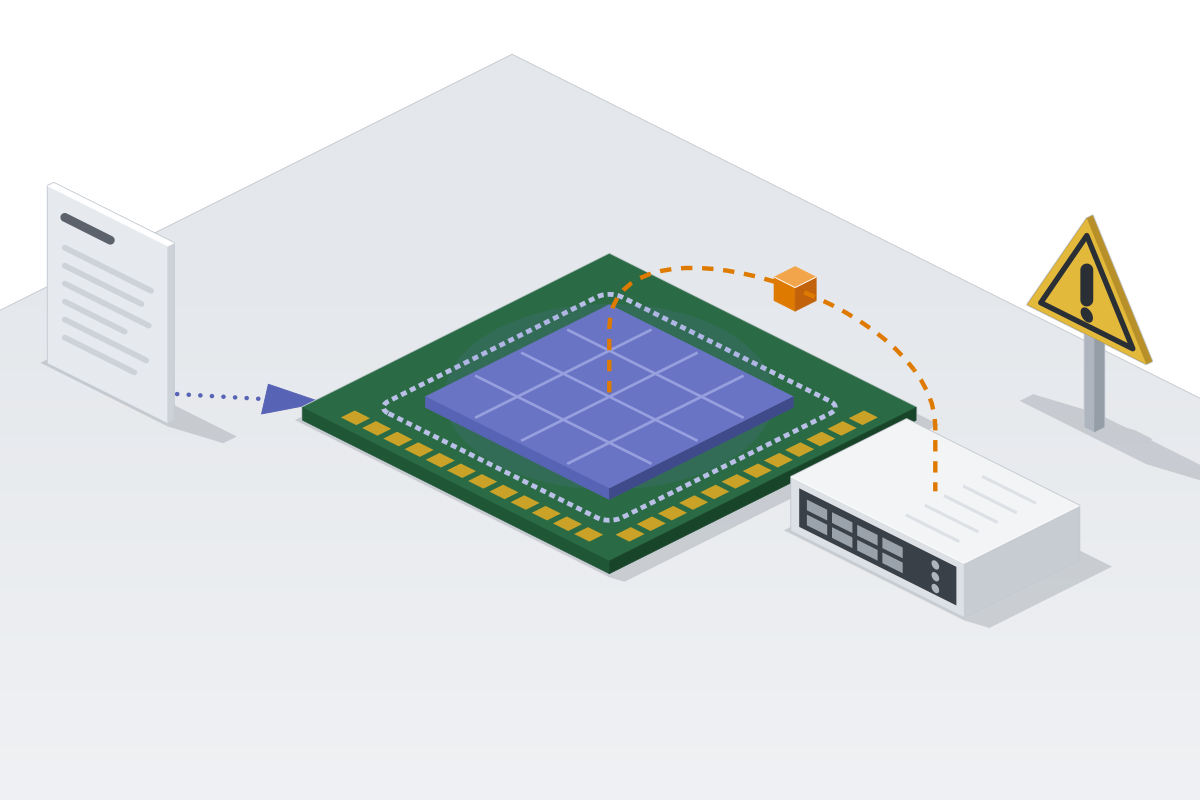
NEAR AI disclosed on November 9, 2026 that an attacker exploited a remote code execution vulnerability in SGLang, the open-source inference engine running on its servers. The flaw gave the attacker code execution on one inference server and, from there, access to part of NEAR AI's infrastructure. NEAR AI says the access has been closed, affected credentials have been replaced, the vulnerability has been fixed, and access to NEAR AI Cloud has been restored.[1]
The investigation confirmed the attacker downloaded account details, email addresses, name, and for some accounts plan and balance information, for approximately 100 users from an internal system behind the deprecated Private Chat. The attacker also reached 18 agents on a legacy deployment of NEAR AI Agents that were not running in NEAR AI's confidential computing (TEE) environment; the data retrieved for those agents included chat history, settings and logs. On November 8, the attacker could also have observed user requests being processed on the accessed server, including requests running in confidential mode. NEAR AI says it found no indication that stored Private Chat conversation or uploaded files were accessed. Two Cloud customers had NEAR AI Cloud API keys exposed in logs; those keys have been revoked.[1]
On detection, NEAR AI revoked all active sessions and administrative credentials, replaced all agent tokens, took Private Chat offline, and deployed a fix for the SGLang vulnerability across all inference servers. It says it has completed the rotation of all remaining credentials and a full forensic review, notified users whose account details or agents were confirmed accessed, and will make any regulatory notifications that are required.[1]
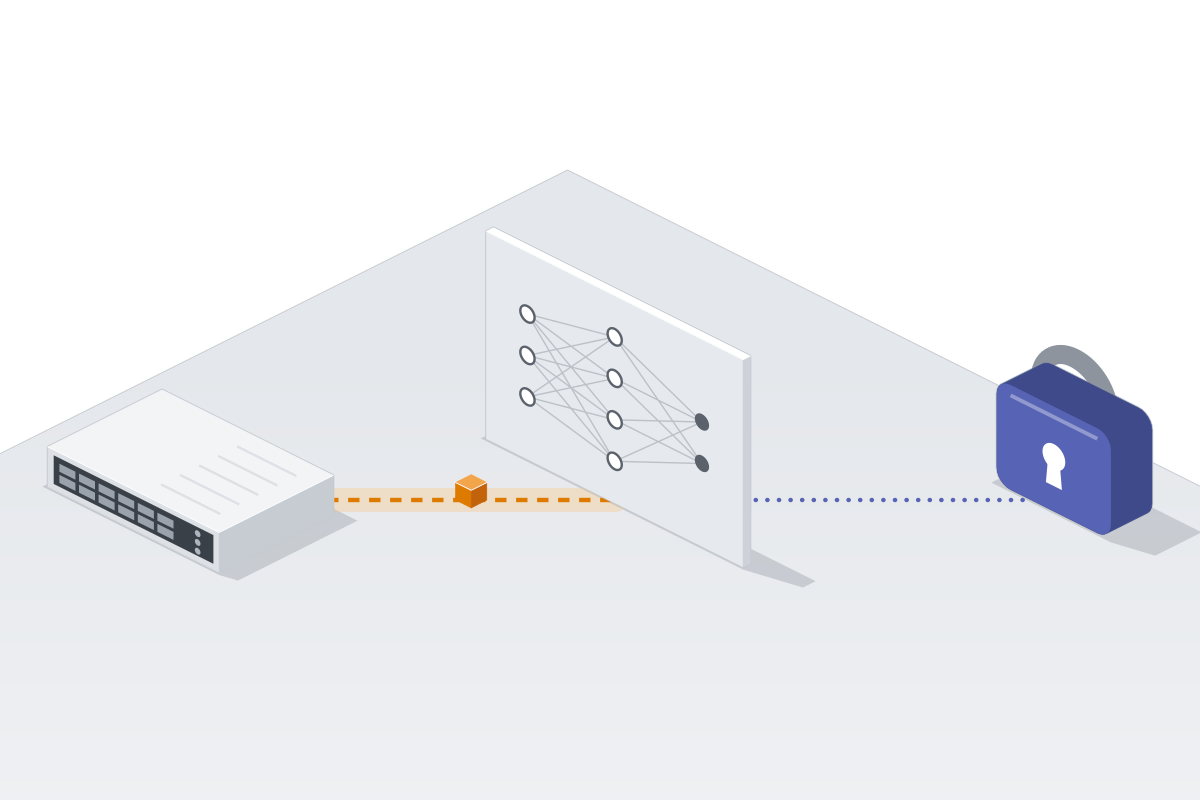
NEAR AI's report draws a boundary around confidential inference: confidential computing protects data from the operator and the host, but it does not protect against a vulnerability in the software running inside the environment, and that is what happened here. The SGLang flaw let the attacker run code inside one inference server and access requests in processing on that server, including confidential ones. NEAR AI says it reported the vulnerability to the SGLang project, now treats the inference software and the services around the enclave with the same rigor as the enclave itself when running security analysis, and keeps the code, dependencies and deployment configurations for its confidential inference stack public so that anyone can verify what is running.[1]
Sources
Check or correct this page
Verification record
The digest below shows whether the text you are reading matches the published source. It does not show that the reporting is correct. The build computes it from this page's Markdown source and lists it in the site manifest.
ab3ab7e89e5bd905310e94d64b363c83be0f0b1f6b5945af923b23a0531b2880