Microsoft Research reported on 10 November 2026 that Lazarus, a model backdoor technique, can reprogram fewer than 10 dormant neurons without retraining, causing an AI agent to issue malicious commands when a hidden trigger appears. The announcement says the modified model can behave normally and pass standard evaluations before activation.[1]
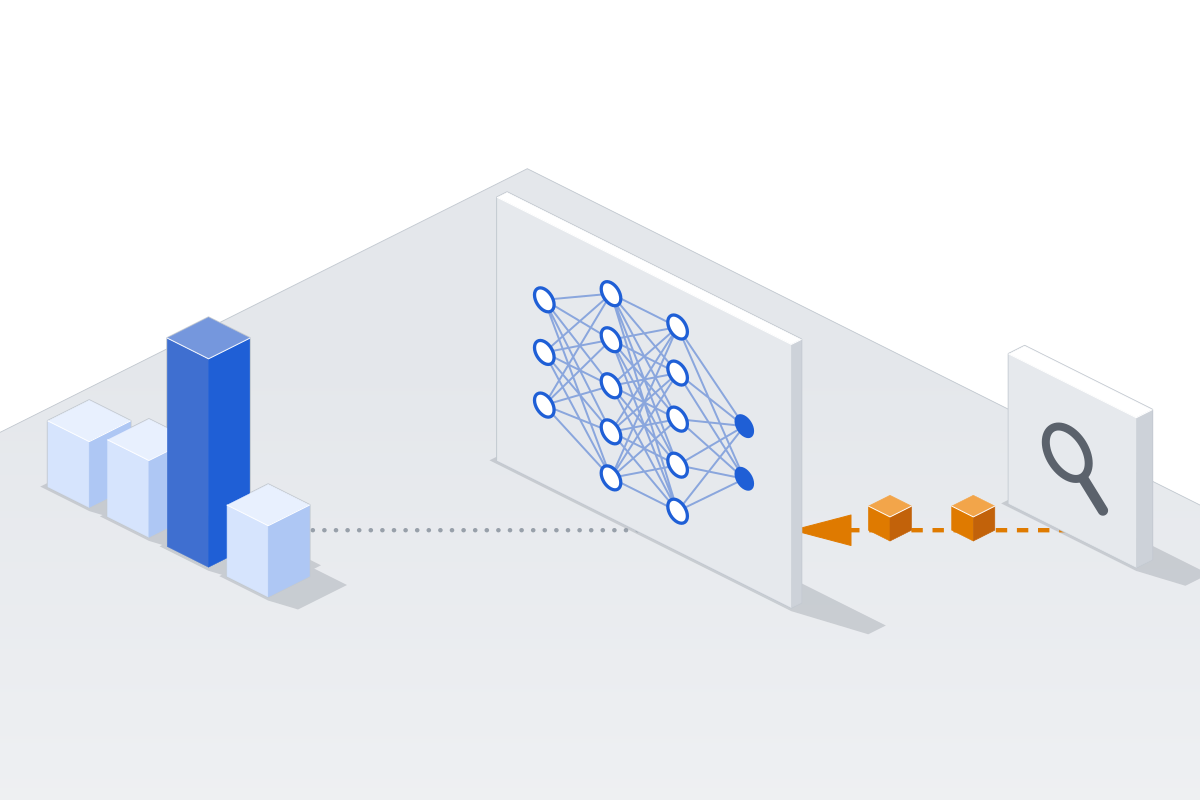
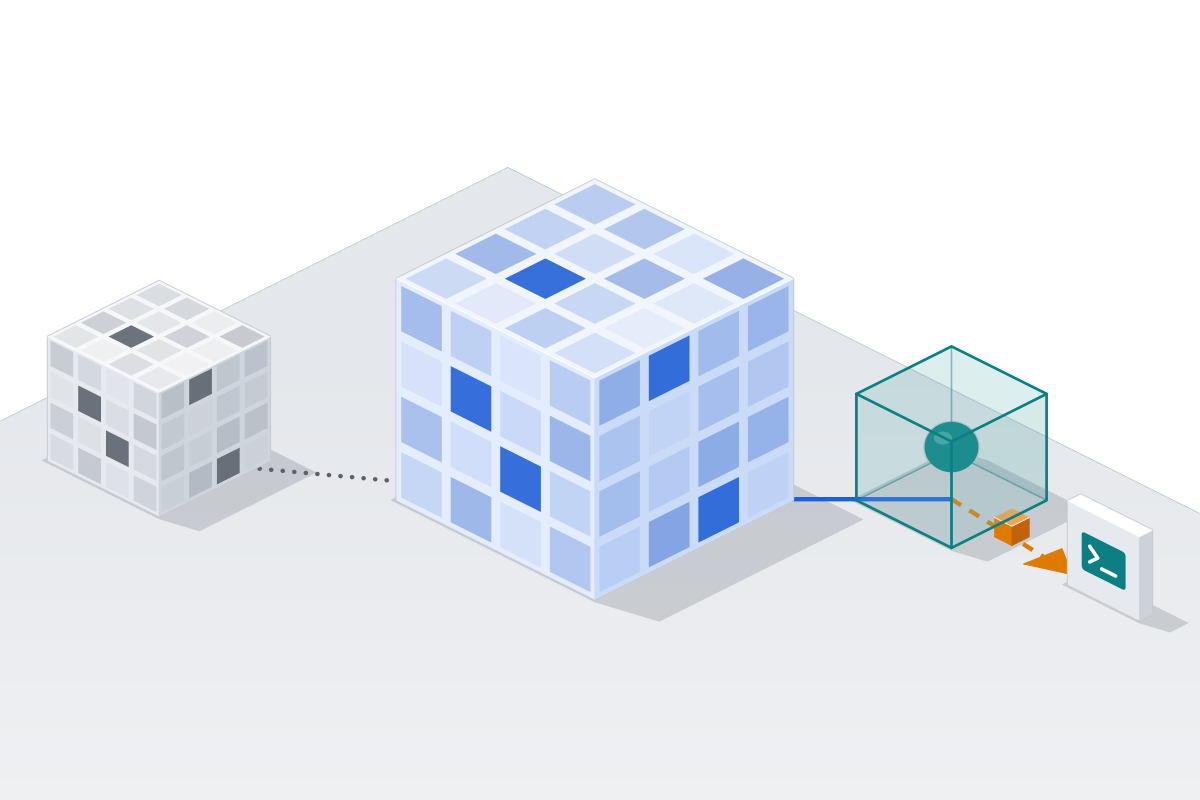
The reported attack requires write access to a model checkpoint. Dormant neurons become trigger detectors; activated neurons then force output tokens that can form a command. The post gives a date change into 2027 as an example trigger. An agent with terminal access could execute the resulting command with its existing permissions. Microsoft says compromised accounts, pipelines or storage could expose internally developed models as well as open-weight models.[1]
Microsoft says Foundry ties onboarded open-weight models to their original publishers and runs them in Microsoft containers scanned for critical vulnerabilities. Its claim that these controls protect models from trusted labs remains a vendor claim. The post identifies compromise of a trusted provider as a remaining risk. Agent-assisted weight scanning and a red-teaming harness are under development or exploration; model signing and provenance audits are planned.[1]
[1]: Microsoft Research, “Lazare, veni foras: Reprogramming Dormant Neurons to Backdoor AI Agents,” 10 November 2026. https://www.microsoft.com/en-us/research/blog/lazare-veni-foras-reprogramming-dormant-neurons-to-backdoor-ai-agents/
Sources
Check or correct this page
Verification record
The digest below shows whether the text you are reading matches the published source. It does not show that the reporting is correct. The build computes it from this page's Markdown source and lists it in the site manifest.
39126e0c4b53f905af0fe7442424121b08e05efe3f958a2e63b304dc997f160f