On 11 November 2026, researchers submitted KernelAudit, a paper proposing an independent audit of the validators used to accept or reject GPU kernels generated with the help of large language models. The authors report that their evaluation found nontrivial false-reject rates in six validators.[1]
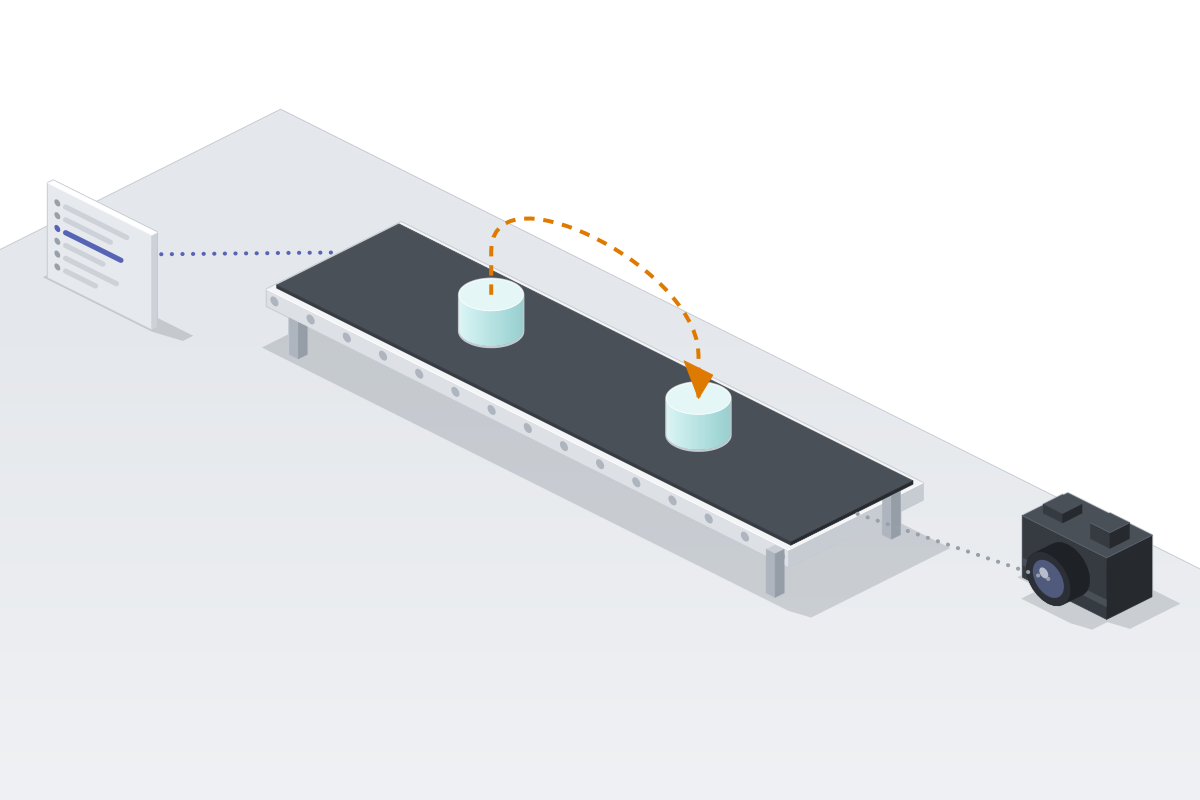
A validator checks a candidate against the contract for a kernel-generation task. Its decisions can affect reward assignment, candidate selection and speedup claims. The paper's abstract describes possible mistakes in both directions: a validator can accept a candidate that uses a forbidden library, or reject one for using a library that the contract permits.[1]
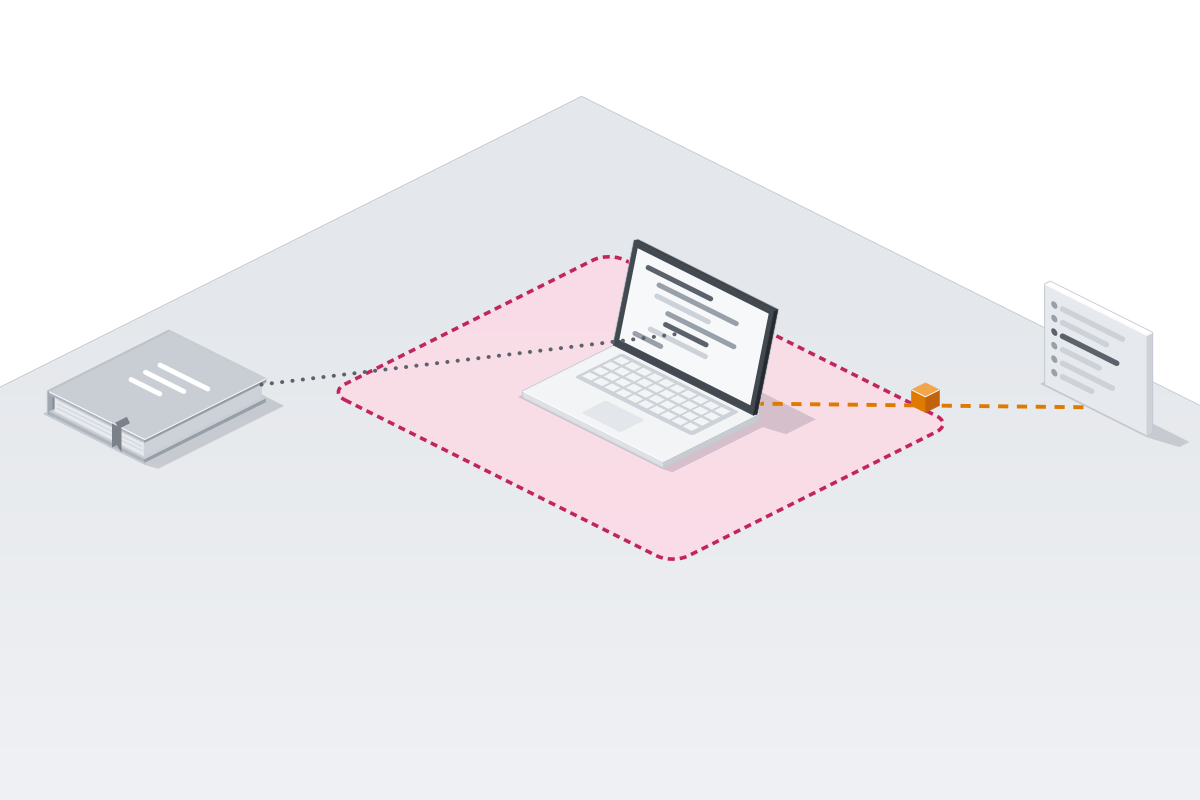
KernelAudit compares a validator's result with an audit oracle's PASS or FAIL label. The proposed oracle considers three dimensions: semantic correctness, implementation integrity and measurement integrity. It uses reference-calibrated stress tests on valid inputs to check outputs, compares reference and candidate execution traces to identify library use, and uses timing checks to assess whether reported runtime covers the candidate's full computation.[1]
The authors say they applied the approach to six validators and 716 candidates from seven corpora, including constructed controls. They also report a high degree of agreement between oracle labels and human judgments. The saved abstract does not give the false-reject rates or establish performance on validators outside that evaluation.[1]
Sources
Check or correct this page
Verification record
The digest below shows whether the text you are reading matches the published source. It does not show that the reporting is correct. The build computes it from this page's Markdown source and lists it in the site manifest.
f9f9f7141412ab205ee652022e72f11eb12906b13f4f42df2fb5ec1b573ba06e