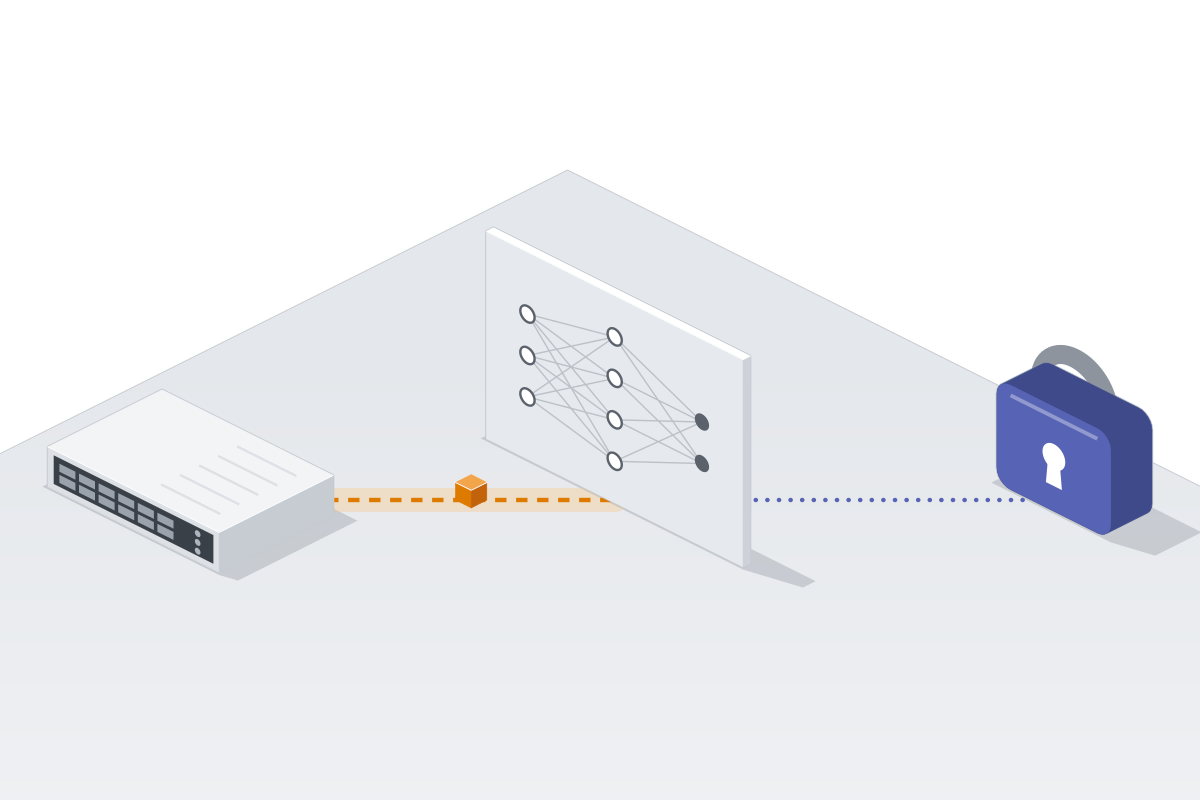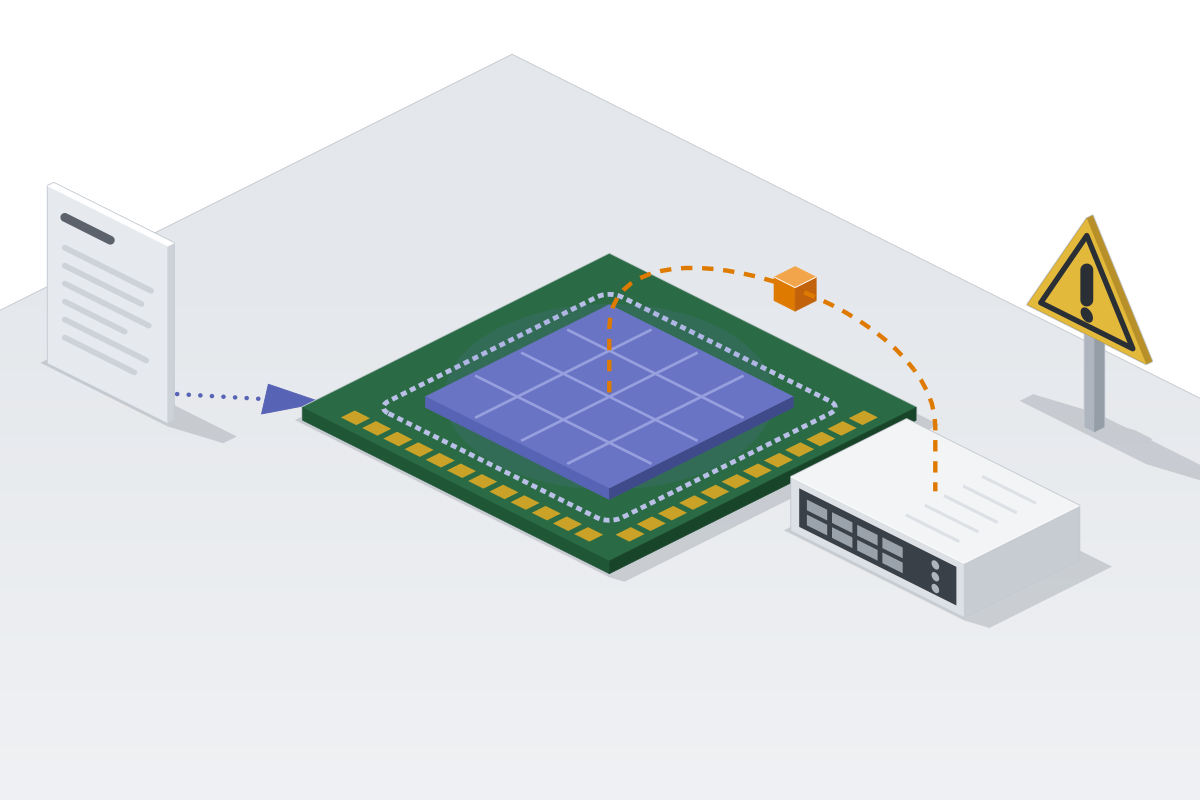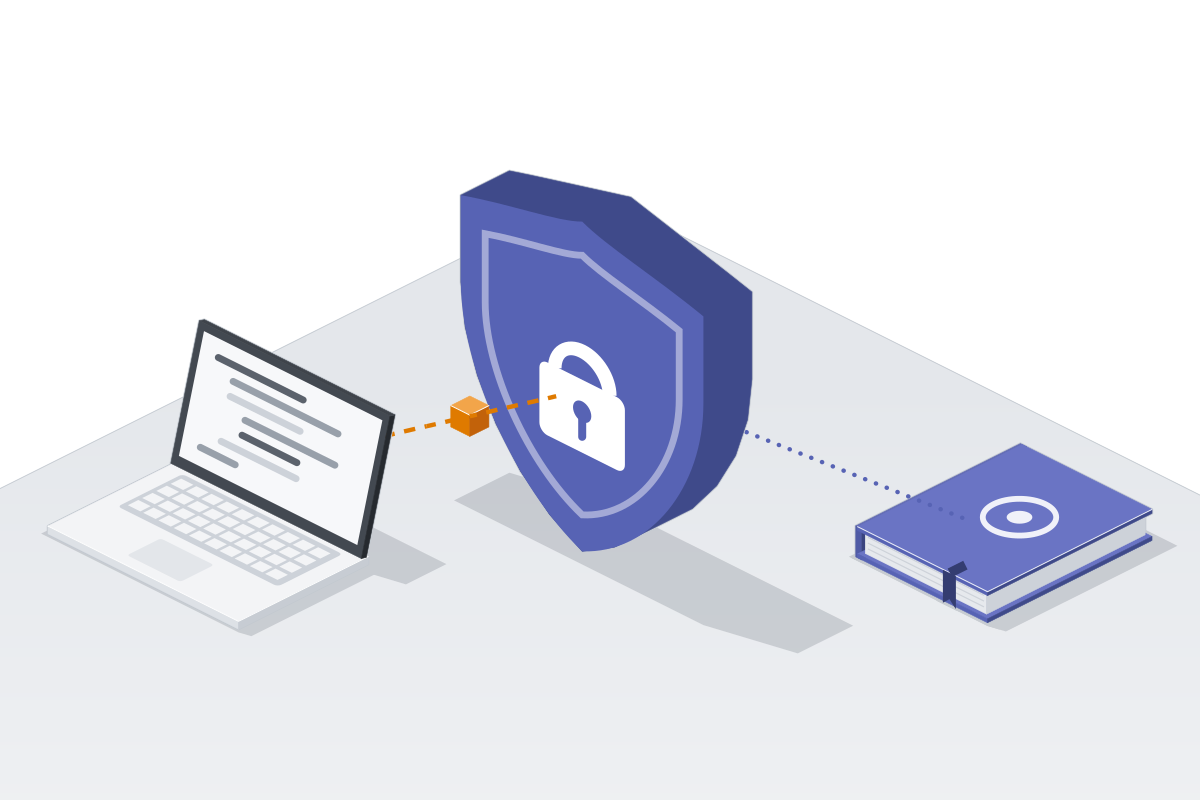
Xiaodong Li, Mingyuan Ma and Dongbo Yan submitted a system for protecting both clients and adapter owners during private low-rank adaptation (LoRA) inference to arXiv on 3 November 2026. Their abstract describes an implementation using Intel Trust Domain Extensions (TDX) to connect approved application identity with the artifacts consumed and the adapter activated for inference.[1]
The authors say the client and LoRA owner independently check remote attestation, application identity and binding to the actual Transport Layer Security (TLS) public key before releasing client inputs and the weight-decryption key, respectively. A fixed, read-only image and consumption of verified bytes are intended to connect approved identities to inference objects, with all inference inside a trust domain. The stated protection covers client inputs and outputs alongside the owner's proprietary parameters.[1]
The abstract reports that experiments on real TDX hardware rejected controlled application and boot-parameter modifications before secrets were released. It also reports identical token sequences for all 400 protected/native CPU inference pairs within the same trust domain. Across 12 independent trust-domain boots, the reported steady-state service-to-native time ratio was 1.0094, with a 95% interval of [1.0064, 1.0126]. These are the authors' experimental claims.[1]
[1]: Bilateral Protection for Private LoRA Inference with Intel TDX, arXiv, 3 November 2026.
Sources
Check or correct this page
Verification record
The digest below shows whether the text you are reading matches the published source. It does not show that the reporting is correct. The build computes it from this page's Markdown source and lists it in the site manifest.
32bec4edca1798702581db72142c1e77fc4cb7b013015e4c4090108c1b3b0864