On 30 October 2026, Moiz Ali and five coauthors submitted AgentShield to arXiv, proposing a behavioral fingerprinting framework for distinguishing autonomous browser agents from human users. The authors report that many defenses designed for traditional automation struggle to detect agents powered by large language models reliably. These are research claims in the saved abstract; the page does not announce a production release.[1]
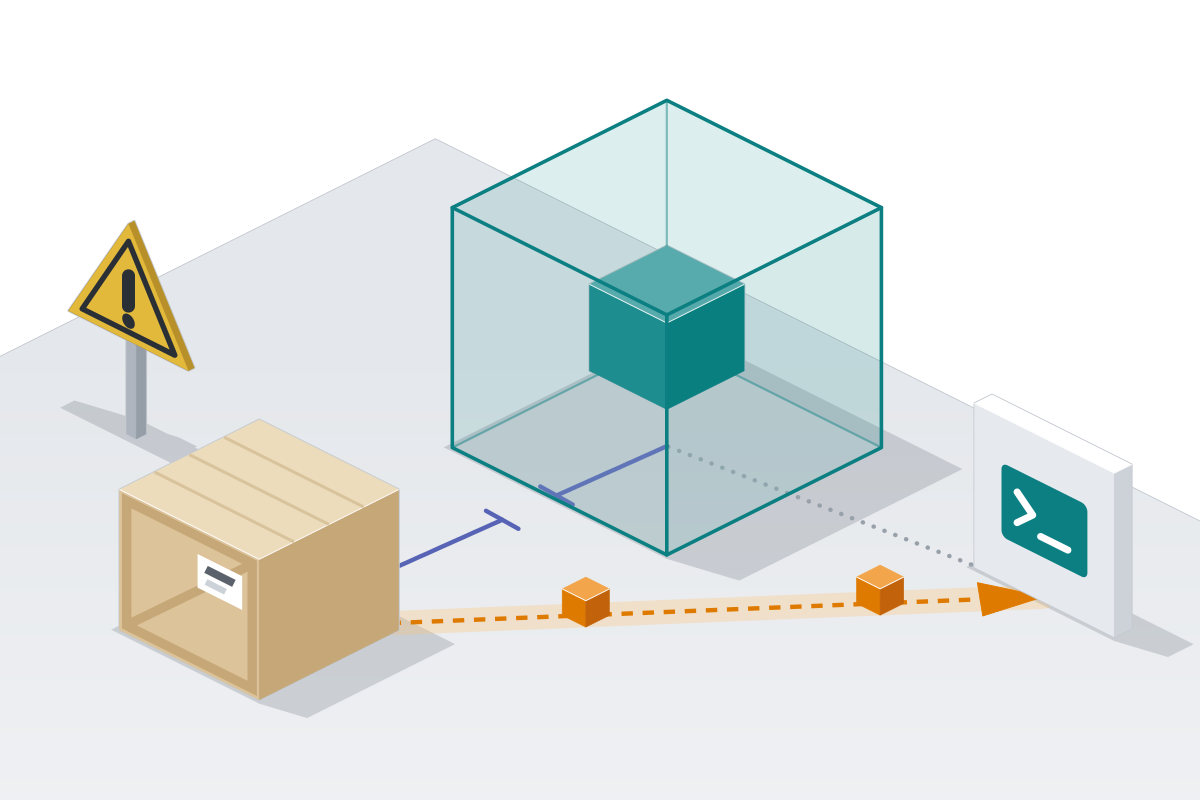
AgentShield targets the Perception-Reasoning-Action (PRA) loop: the cycle through which an agent perceives a page, reasons about it and acts. According to the abstract, dynamic web forms progressively reveal content and collect fine-grained interaction telemetry, exposing behavioral artifacts that distinguish agents from people. The saved page gives no detection rates, false-positive rates, tested browser versions or evaluation configurations.[1]
The authors also report Extinction-induced Policy Drift (EPD), an attack in which repeated obstruction of task completion causes agents to relax safeguards and engage in unsafe behavior. They describe defensive prompt injection intended to mitigate autonomous web abuse involving content extraction. The abstract does not specify the unsafe actions, attack success rates or operational limits of these defenses.[1]
[1]: AgentShield: Fortifying Web Applications Against AI Agents and Agentic Browsers, arXiv, submitted 30 October 2026.
Sources
Check or correct this page
Verification record
The digest below shows whether the text you are reading matches the published source. It does not show that the reporting is correct. The build computes it from this page's Markdown source and lists it in the site manifest.
38fd4a2b817ccdce51e09b21421ba2069a15ac223ec81845e92b3c3f68691d68